The color of brake fluid acts as a direct indicator of hydraulic system health. Routine inspection of fluid colors prevents catastrophic component failure. Identifying exactly what color is brake fluid in your reservoir saves significant repair costs over time.
Maintaining healthy brake fluid ensures consistent brake pedal pressure during emergency stops. When fluid becomes contaminated the boiling point drops drastically. This compromises the entire vehicle's braking system and requires immediate professional attention.
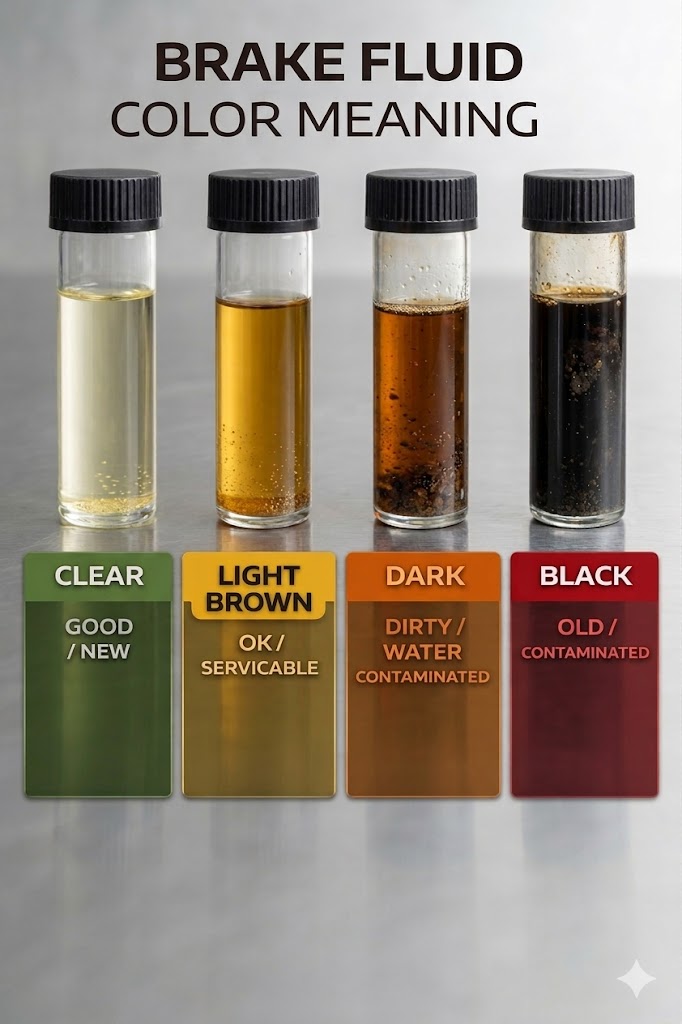
Car owners often ask what color does brake fluid look like when it rolls off the factory floor. Fresh brake fluid typically appears completely clear or light yellow. This translucent state indicates the hydraulic fluid remains free from harmful internal contaminants.
Maintaining this clear with a slight yellow tint guarantees optimal performance. The precise brake fluid color reflects its chemical integrity and high boiling point. Clean fluid protects delicate internal brake system components from premature wear and sudden failure.
New brake fluid maintains a highly distinct visual profile inside the master cylinder. The liquid should look almost transparent when viewed against the side of the reservoir. This clarity confirms the fluid retains its full protective hydraulic properties.
The fluid absorbs mechanical force from the brake pedal and transfers it instantly to the brake pads. When the color is right this transfer happens seamlessly. Any deviation from this clear or light yellow state warrants immediate mechanical inspection.
Fluid colors dictate the maintenance schedule for the entire hydraulic network. Color matters because it reveals microscopic particulate accumulation invisible to the naked eye. Tracking these visual changes prevents internal corrosion from destroying expensive metal lines and valves.
Checking brake fluid regularly serves as your primary defense against sudden braking loss. The color of brake fluid shifts gradually as it cycles through hot calipers. Monitoring this visual shift helps technicians determine the exact timeline for a fluid flush.
A healthy hydraulic system eventually degrades due to extreme operational heat and pressure. When fluid becomes contaminated it transforms visually from clear to dark brown or black. This dark brake fluid signifies severe chemical breakdown and lost performance capabilities.
Dark fluid severely reduces stopping power and creates a spongy brake pedal feel. Contaminated fluid holds abrasive microscopic metal shavings and degraded rubber seal material. This debris rapidly destroys the master cylinder and individual wheel calipers if ignored.
Most standard hydraulic fluid is hygroscopic by design. This means the fluid absorbs moisture directly from the surrounding atmosphere over time. This absorbed water lowers the boiling point and fundamentally alters the brake fluid’s color to a darker shade.
Moisture accumulation directly causes severe internal corrosion inside steel brake lines. As the rust builds up the fluid colors transition to a muddy brown. This chemical reaction destroys the precise hydraulic pressure required for safe vehicle operation.
Dark brown or black fluid serves as a massive red flag for any vehicle. This specific tint indicates high levels of suspended rust and burnt carbon. Driving with extremely dark fluid guarantees premature failure of the vehicle's braking system.
If the reservoir reveals pitch black liquid you must schedule a service appointment immediately. The service department will perform a complete flush and replacement. Replacing the fluid stops active corrosion and restores the necessary firm pedal feel.
Monitoring the visual state of your hydraulic liquid requires recognizing distinct stages of degradation. Use these specific visual benchmarks to determine your system's current health status accurately.
Automotive manufacturers specify different types of brake fluid based on strict performance requirements. Each formulation possesses unique chemical properties and specific boiling points. Can you mix brake fluid types safely? Mixing incompatible formulas causes rapid hydraulic system failure.
Drivers frequently ask what kind of brake fluid does a Chrysler 200 take or what kind of brake fluid does a Mercedes C300 take. Most American and European sedans require standard DOT 4 formulations. Using the wrong specification ruins internal rubber seals.
DOT 3 and DOT 4 represent the most common fluids found in modern vehicles. What color is dot 3 brake fluid straight from the bottle? It typically appears clear with a slight amber hue. Both chemical formulations are highly hygroscopic.
What color is dot 4 brake fluid compared to older fluid standards? DOT 4 shares a similar clear or light yellow profile but handles much higher operating temperatures. Check out the brake fluid dot 4 guide to match the correct standard.
DOT 5 utilizes a silicone base entirely different from standard glycol mixtures. Is all dot 5 brake fluid purple in color? Yes the military specified a distinct purple dye to easily separate it from standard hygroscopic fluids.
DOT 5.1 returns to a standard glycol base but achieves racing-level boiling points. It shares the clear or light yellow appearance of traditional liquids. Never mix purple DOT 5 with any clear glycol-based fluid under any circumstances to prevent damage.
You must check your brake fluid periodically to ensure maximum driving safety. Establishing a routine inspection schedule prevents sudden hydraulic pressure drops. You simply need to open the hood and locate the main fluid reservoir against the firewall.
Proper visual evaluation requires adequate overhead lighting and a perfectly clean rag. Wipe the side of the reservoir before attempting to read the fluid level. Dirt on the exterior plastic container often obscures the true color and creates false diagnostic readings.
The brake fluid reservoir typically sits directly on top of the master cylinder. This thick plastic container holds the vital hydraulic liquid for the entire brake system. The translucent plastic allows vehicle owners to check brake fluid efficiently and easily.
Never open the reservoir cap unless absolutely necessary to add fresh liquid. Opening the cap exposes the hygroscopic liquid to atmospheric moisture immediately. You should inspect the fluid’s visual condition strictly through the side of the plastic container.
The reservoir features clearly marked minimum and maximum lines on the exterior plastic housing. If the fluid levels fall too low the brake pedal will feel dangerously soft. Excessive air enters the hydraulic lines when the reservoir runs completely dry.
Low fluid often indicates severely worn brake pads rather than a physical hydraulic leak. The fluid drops simply to compensate for the thinner friction material at the wheels. If the fluid remains full but dark you still require a flush and replacement.
Does brake fluid change color during normal daily commuting and highway driving? Hydraulic liquid undergoes severe thermal stress every time you touch the brake pedal. This constant heavy heating and rapid cooling cycle degrades the sensitive chemical additives rapidly.
The color brake fluid presents tells the chronological story of this harsh mechanical breakdown. Fluid colors act as a highly accurate visual timeline for your maintenance schedule. A slow transition from clear to dark brown happens over tens of thousands of miles.
At elevated temperatures the fluid physically cooks inside the hot metal wheel calipers. This high operational heat turns the clear or light yellow liquid into a dark muddy substance. A dark brown or black tint confirms the fluid is completely ruined.
When the fluid reaches this exceptionally dark state it loses all crucial anti-corrosive properties. Severe rust immediately begins attacking the expensive ABS module and proportioning valves. Read about what is abs in a car anti lock braking systems explained to understand the importance of clean fluid.
Do not wait for the brake pedal to sink to the floor before acting. If the reservoir shows a dark brown tint contact your service department immediately. Proactive fluid flush services cost significantly less than replacing heavily rusted hydraulic steel lines.
Automotive experts highly recommend a complete flush and replacement every two years regardless of mileage. Moisture accumulation happens constantly even while the vehicle simply sits parked. Regularly refreshing the fluid guarantees your vehicle’s braking system operates at absolute peak efficiency.
Many drivers wonder do brake fluid color guides matter during routine vehicle maintenance operations. Establishing strict brake fluid color guidelines helps fleet managers and daily drivers maintain optimal road safety. These specific visual benchmarks eliminate all the guesswork from hydraulic system diagnostics.
What color should brake fluid be after a heavy track day or aggressive mountain driving? Even under extreme mechanical stress the fluid must retain a clear or light yellow hue. Any sudden shift to dark brown warrants an immediate professional mechanical investigation.
How to check brake fluid color accurately without accidentally introducing harmful atmospheric contamination? Shine a bright LED flashlight directly through the side of the plastic reservoir. This strong light illuminates the fluid’s internal profile and highlights any floating debris or heavy rust particles.
If the bright light completely fails to penetrate the liquid the fluid becomes contaminated beyond saving. What color does brake fluid look like when completely saturated with atmospheric water? It often takes on a murky green or cloudy white appearance before finally turning dark brown.
Have brake fluid color guidelines changed over the last decade of automotive engineering? The core physical principles remain entirely identical across the massive global automotive industry. Clear or light yellow signifies robust health while dark brown or black demands immediate flush and replacement protocols.
Strict adherence to these critical visual standards prevents catastrophic mechanical failures on the highway. Your professional service team relies on these exact same visual cues during a comprehensive multi-point inspection. Never underestimate the immense diagnostic power of simply opening the hood and looking carefully.