
Test Oil Quality, Get Fast Results
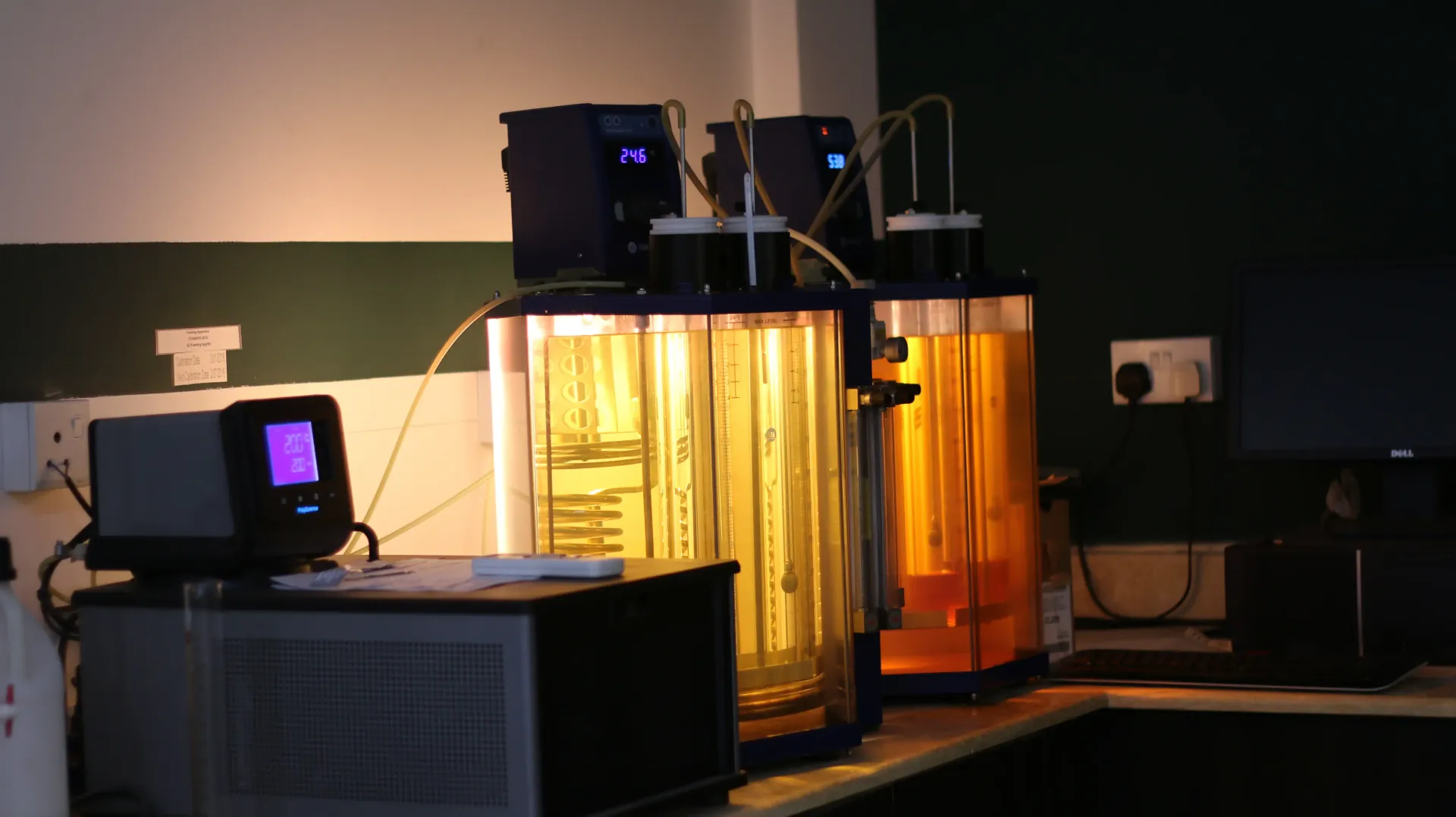
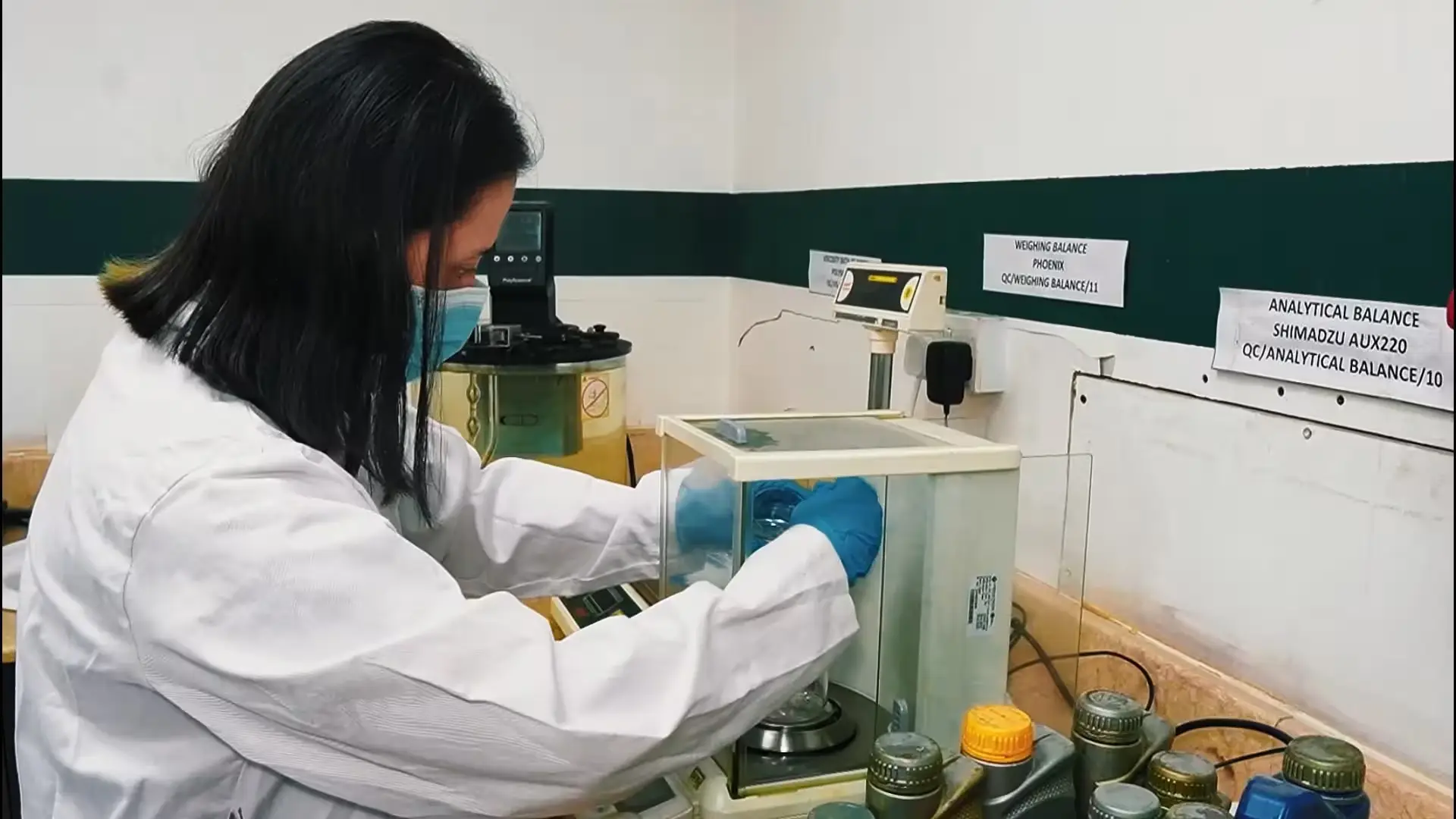
Advanced testing solutions for optimal equipment performance and reliability — a state-of-the-art lab equipped with the latest instruments.
What We Offer
Comprehensive Testing Services
A state-of-the-art laboratory equipped with advanced testing equipment.
Oil Analysis
Comprehensive analysis of lubricant condition and contamination levels.
- Viscosity Testing
- Contamination Analysis
- Wear Metals Detection
- Additive Depletion
Chemical Testing
Advanced chemical composition and performance testing.
- pH Testing
- TBN / TAN Analysis
- FTIR Spectroscopy
- Water Content
Performance Testing
Evaluation of product performance under various conditions.
- Oxidation Stability
- Thermal Stability
- Corrosion Protection
- Foam Characteristics
Predictive Analysis
Data-driven insights for maintenance planning.
- Trend Analysis
- Equipment Health Monitoring
- Failure Prediction
- Service Life Estimation
Why Choose Us
Choose Experts Who Know Lubricants
Our lab is part of the Armor Lubricants factory — for over a decade we have manufactured lubricants exported to 64+ countries worldwide.
Fast Turnaround
Standard results in 24–48 hours, with expedited service available.
ISO Certified Lab
An accredited testing facility meeting international standards.
Detailed Reports
Comprehensive analysis with actionable recommendations.
Expert Interpretation
Professional guidance from experienced chemists.
Our Test Menu
What We Test
We leverage ISO and ASTM standardized methodology to deliver high-defensibility data across petroleum, industrial and high-voltage applications.
Engine Oil Analysis
Contact Lab TeamSoot Levels
Identify incomplete combustion and air-fuel ratio imbalances.
Fuel Dilution
Detect injector leaks and prevent oil film thinning.
Glycol Detection
Identify internal coolant leaks before bearing seizure.
Total Base Number
Monitor alkaline reserve to neutralize combustion acids.
Nitration & Sulfation
Monitor blow-by gases and EGR efficiency.
Flash Point
Verify fuel contamination and thermal degradation risks.
Ferrous Density (PQI)
Detect iron particles missed by elemental spectroscopy.
Elemental Analysis
Quantify wear metals and additive package concentration.
Didn't Find Your Test? We Have More!
Contact us for other lubricant tests — tell us what you need, we have plenty to offer.
Request an Analysis
Get Your Reliable Lubricant Tests from Armor Lubricants
Fast results, detailed reports and expert interpretation — tell us which analysis you need and our lab team will get back to you.