

Motor Oil is the first shield of defense engines have! Keeping your motor function for long times would be impossible without motor oil.
Motor oil consists of base oils and additives that work together to protect the engine and enhance its performance. The base oil, which makes up 70-90% of the formula, while additives are added to enhance performance provide extra protection.
Engine oil quality and specifications starts from base oil. Lubrication is determined by the ability of the motor oil to reduce friction. Additives role is to improve efficiency partially therefore, the main rule always is
High-quality lubrication starts with the finest base oil.
Base oils are classified into:
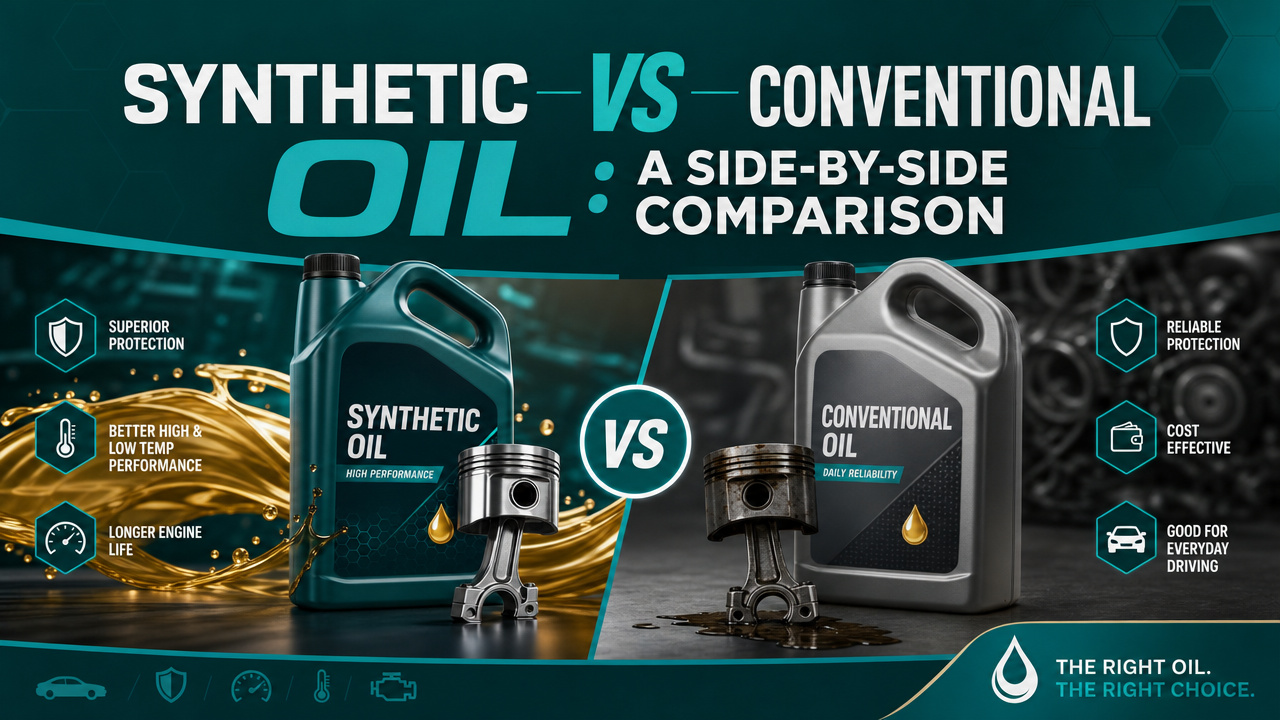
Conventional oils are refined from crude oil and provide basic lubrication. Labs are the source of Synthetic oils. Both synthetic and conventional oils share a similar chemical foundation, but their physical properties set them apart. Molecular structures differences influence viscosity, temperature resistance, and overall car engine protection. Impurities on the other hands also affects how well
Additives enhance motor oil by optimizing lubrication, reducing wear, and maintaining engine cleanliness. They improve the oil’s thermal stability, viscosity, and resistance to breakdown under extreme conditions.
The precise blend of base oils and additives determines an oil’s performance in different engines and operating conditions. High-quality formulations provide superior protection, reduce maintenance costs, and extend engine life.
Motor oil does more than just lubricate an engine—it plays a vital role in ensuring smooth operation and longevity. Its carefully engineered formulation supports multiple functions that keep an engine running efficiently.
A thin film of oil coats moving parts, reducing friction and wear between metal surfaces. This prevents excessive heat buildup and mechanical damage, ensuring smoother performance and longer engine life. Advanced formulations with molybdenum disulfide or boron compounds enhance friction reduction, especially in high-stress applications.
Motor oil plays a crucial role in keeping the engine clean by removing and suspending dirt, carbon deposits, and combustion byproducts. These contaminants can accumulate over time, leading to reduced performance and potential engine damage.
Dirt and contaminants enter the engine from multiple sources:
By absorbing and dissipating excess heat, motor oil prevents overheating and thermal breakdown. It carries heat away from friction points and transfers it to the oil pan, where it is released. High-performance synthetic oils with ester-based formulations provide superior thermal stability for extreme conditions.
Oil forms a thin seal between the piston rings and cylinder walls, improving combustion efficiency by preventing fuel and air leakage. Proper sealing ensures maximum power output and reduces emissions. Polymer-based viscosity modifiers help maintain this sealing effect across varying temperatures.
During combustion and sudden load changes, engine components experience shock forces that could cause damage. Motor oil cushions these impacts by providing a fluid barrier, reducing stress on bearings and other sensitive parts. Phosphorous-based anti-wear agents enhance this protective function.
Corrosion is a serious threat to engine components, reducing efficiency and leading to costly repairs. Motor oil contains anti-corrosion additives that prevent metal surfaces from deteriorating due to exposure to moisture, acids, and oxidation.
Motor oil contains Zinc Dialkyldithiophosphate (ZDDP) and alkylated diphenylamines, which neutralize acids and create a protective barrier on metal surfaces. These additives prevent oxidation and moisture from causing rust, ensuring that the engine remains in top condition even under harsh conditions. Using high-quality oil with strong anti-corrosion properties extends engine life and reduces maintenance costs.
In hydraulic systems and certain engine components like variable valve timing (VVT) systems, motor oil serves as a medium for energy transfer. It helps operate mechanisms by transmitting hydraulic pressure, ensuring proper engine function and efficiency.
A high-quality motor oil formulation balances all these functions, offering maximum protection, efficiency, and performance in modern engines.
Viscosity refers to a fluid's resistance to flow. In motor oil, it determines how easily the oil moves through the engine and coats its components. A high-viscosity oil is thicker and flows more slowly, while a low-viscosity oil is thinner and flows more easily.
Not necessarily. While low-viscosity oil flows faster and reaches engine components quickly, it may not always provide sufficient protection. High-viscosity oil, on the other hand, forms a thicker protective film, which is beneficial in high-load or high-temperature conditions.
The right viscosity allows an engine to perform efficiently, preventing excessive wear and thermal breakdown under different operating conditions.
SAE (Society of Automotive Engineers) viscosity grades classify motor oil based on its flow characteristics at different temperatures. These grades help determine which oil is best suited for specific engines and operating conditions.
Motor oil is assigned a single-grade or multi-grade rating based on its behavior in cold and hot conditions:
Selecting the correct oil weight or oil grade depends on engine requirements, climate, and driving conditions:
Motor oils are classified based on performance standards, composition, and application, ensuring they meet the needs of different engines and operating conditions. These classifications are established by organizations such as the API (American Petroleum Institute), ACEA (European Automobile Manufacturers' Association), and ILSAC (International Lubricants Standardization and Approval Committee).
The API classification system categorizes oil into two main type of oil:
The ACEA system is widely used in Europe and includes categories for different engine types:
ILSAC works closely with API to develop fuel-efficient motor oils for modern gasoline engines. Common categories include:
Choosing the right classification ensures the oil meets engine requirements, enhances performance, and extends engine life. Always refer to the manufacturer’s recommendations to select the best oil for a specific car.
The right motor oil is essential for maintaining engine health and performance. Understanding oil grades, API classifications, and oil change intervals helps ensure your car runs smoothly in all conditions.
As you can see in the following image, we have a plastic can of Engine oil. Now let's explain its properties based on the spec found on the label.
Using the best performance engine oil extends the life of your car, improves fuel efficiency, and prevents costly repairs. Whether you need full synthetic, conventional, or high-mileage oil, selecting the correct oil grade ensures better performance and engine longevity.
This motor oil guide has covered the basics for beginners. Selecting the right motor oil doesn't have to be confusing. Understanding the difference between synthetic and conventional oils and about oil grades is crucial for your engine to run smoothly and efficiently for years to come. This motor oil guide serves as a foundation for continued learning, and as you gain knowledge, will save you money and prevent potential engine problems.