
A Business Owner’s Guide to the Immediate Impacts of Geopolitical Conflict
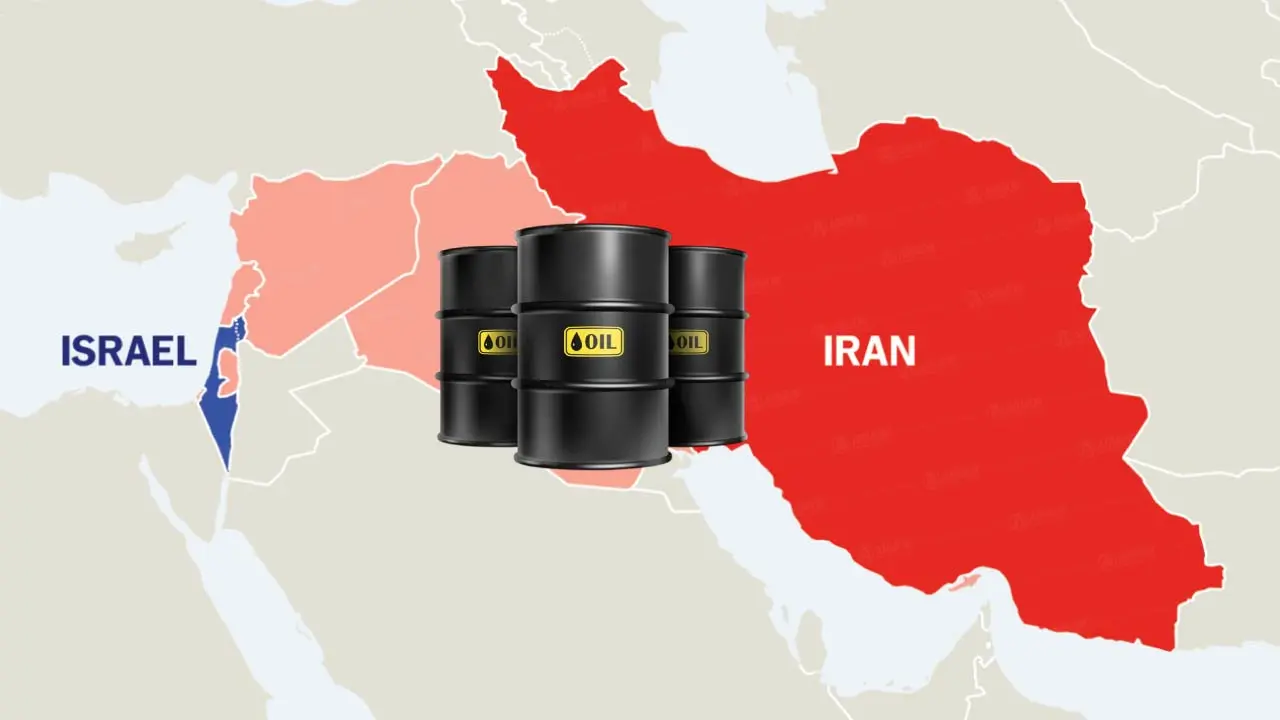
The conflict triggered an instant reaction in energy markets, driven by a “geopolitical risk premium.” This wasn’t about physical supply loss, but the *fear* of disruption, immediately inflating the cost of crude oil—the primary feedstock for base oils.
+7%
Brent Crude Surge
The global benchmark reached its highest price in nearly five months, setting a new baseline cost for all lubricant raw materials.
+20%
Strait of Hormuz Risk
This percentage of global petroleum liquids passes through the conflict’s chokepoint, causing immediate spikes in shipping and insurance costs.
The initial shock has not affected all base oils equally. It has triggered a cascading effect, starting with the most exposed category, Group I, and creating knock-on pressures for Groups II and III.
This chart shows the significant price jump across all base oil groups. Group III sees the largest percentage increase, driven by speculative hoarding and panic, while Group I’s rise is directly tied to the disruption of Iranian supply.
Group I Disruption
Iran, a key supplier, faces logistical blockades, causing prices to spike and availability to plummet.
Group II Substitution
Blenders are forced to reformulate with Group II, causing a sudden demand surge and price inflation for this group.
Group III Hoarding
Traders withhold premium Group III inventory, creating artificial scarcity to profit from market panic.
Your final product cost isn’t just the base oil price. The conflict has ignited a “cost cascade,” where multiple essential components of your supply chain are becoming more expensive simultaneously.
The foundational cost for all petroleum products increases due to geopolitical risk.
Soaring war risk insurance and freight rates for shipping through the Persian Gulf add direct costs to every cargo.
The fragile additive supply chain, reliant on the same shipping lanes, faces delays and cost inflation for critical components.
These accumulating costs are passed down, resulting in a significant, multi-faceted price increase for finished lubricants.
!¡
A Perfect Storm of Costs
This isn’t a simple price adjustment. It’s a systemic disruption. Your cost of goods is being hit from multiple angles at once, demanding a more sophisticated conversation with your customers about why prices are rising.
Analysis must lead to action. In a crisis, your role shifts from supplier to strategic partner. Here are four key strategies to navigate the turmoil and strengthen your business.
🔗
Immediately qualify alternative base oil sources (especially Group II) from different regions. Build a safety stock of critical raw materials and finished goods to buffer against delays.
🧪
Treat the forced shift from Group I as an opportunity. Fast-track reformulation to higher-performance Group II/III products and market the upgrade as a value-add for your customers.
📢
Explain the “cost cascade” to customers. Be transparent about the complex reasons for price increases. Early warnings on supply issues build trust and loyalty.
🛡️
Plan for different scenarios (e.g., de-escalation vs. full-scale war). Balance long-term contracts with flexible spot purchases to manage price volatility effectively.