Feature / Specification

Equipment operators and DIY mechanics frequently ask us: is atf the same as hydraulic oil? While Automatic Transmission Fluid (ATF) and hydraulic oils both transmit power in fluid-based systems, their chemical makeup and intended use cases differ significantly.

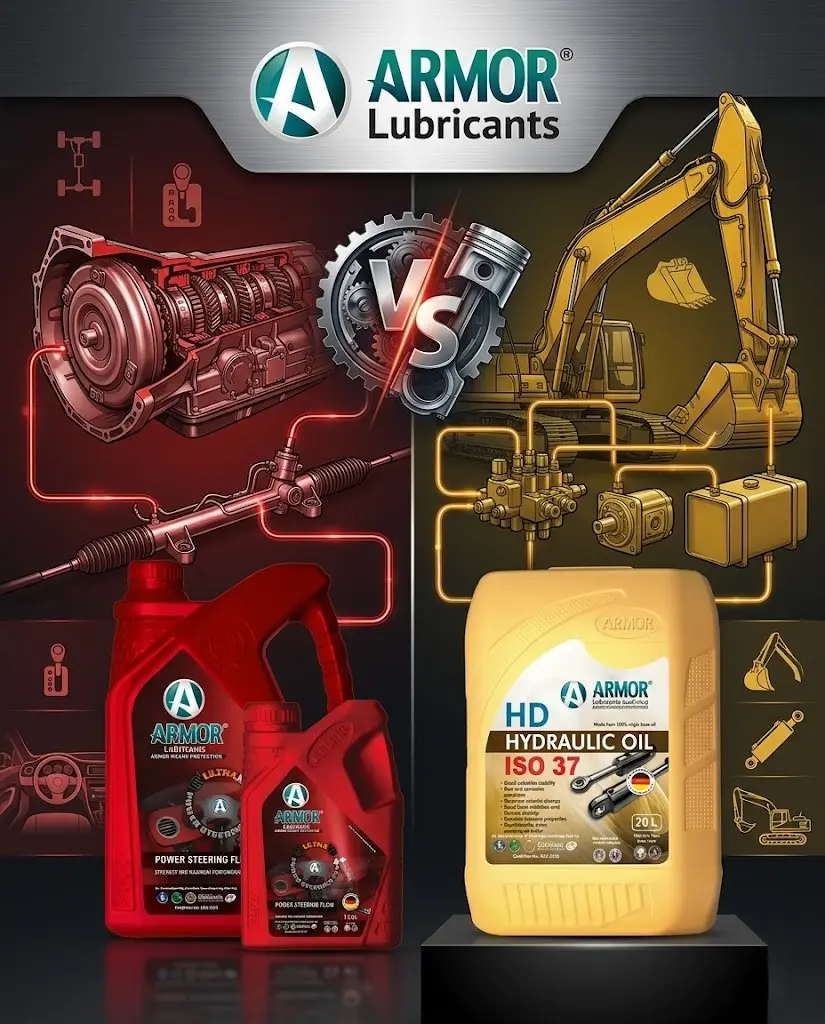
Formulated for heavy machinery, excavators, and industrial presses. Focuses heavily on anti-wear properties, rust prevention, and resisting extreme pressure.
Designed for vehicle transmissions. Often used as an atf hydraulic oil substitute because of its friction modifiers, high detergency, and excellent cold-weather flow.
When looking at atf viscosity vs hydraulic oil, ATF features a multi-grade viscosity (often resembling a 0W-20 or 5W-20 motor oil) and possesses a very high Viscosity Index (VI). This means it remains stable across drastic temperature swings.
Hydraulic oils are strictly categorized by ISO Viscosity Grades (VG). If you are matching systems, an iso 22 32 atf hydraulic oil comparison is common. ATF roughly aligns with ISO VG 32 or 46 in terms of kinematic viscosity at operating temps.
Due to the unique additive packages, standard hydraulic oil thickens faster in cold weather compared to ATF. Understanding hydraulic oil vs atf cold-cranking performance is vital for equipment left outdoors.

Having atf mixed with hydraulic oil is highly discouraged. The additive packages can clash. For instance, ATF friction modifiers can destroy the anti-foaming properties of hydraulic oil, leading to pump cavitation. Always review the atf hydraulic oil msds before attempting to blend any lubricants.

To truly understand atf fluid vs hydraulic oil, you have to look beyond the base oil and examine the additive packages. The chemicals added during manufacturing dictate their primary performance characteristics.
Heavily fortified with Anti-Wear (AW) agents like Zinc Dialkyldithiophosphate (ZDDP), powerful rust inhibitors, and anti-foaming agents. These ensure a pure liquid state (with no air bubbles) is maintained when transferring the massive pressures required by industrial rams and presses.
Rich in detergents to keep complex valve bodies clean, and loaded with friction modifiers that allow transmission clutches to grip and slip smoothly. These highly specific modifiers are exactly why mixing hydraulic oil and atf is disastrous for precise machinery.
Fresh ATF is bright red, and hydraulic oil is clear/amber. If your fluid turns dark brown, milky (indicating water contamination), or smells burnt, its protective properties have failed.
If your equipment is slow to respond, especially when cold, you might have an issue with atf vs hydraulic oil viscosity breakdown. The fluid can no longer maintain the proper flow rate.
Whining or grinding sounds from the pump indicate cavitation. This happens when anti-foaming agents deplete, allowing air bubbles to implode under pressure, damaging metal parts.
Quick answers regarding ATF and hydraulic fluid compatibility.
Whether you need an industrial AW hydraulic oil, a premium ATF, or technical advice on product compatibility, Armor Lubricants has you covered.