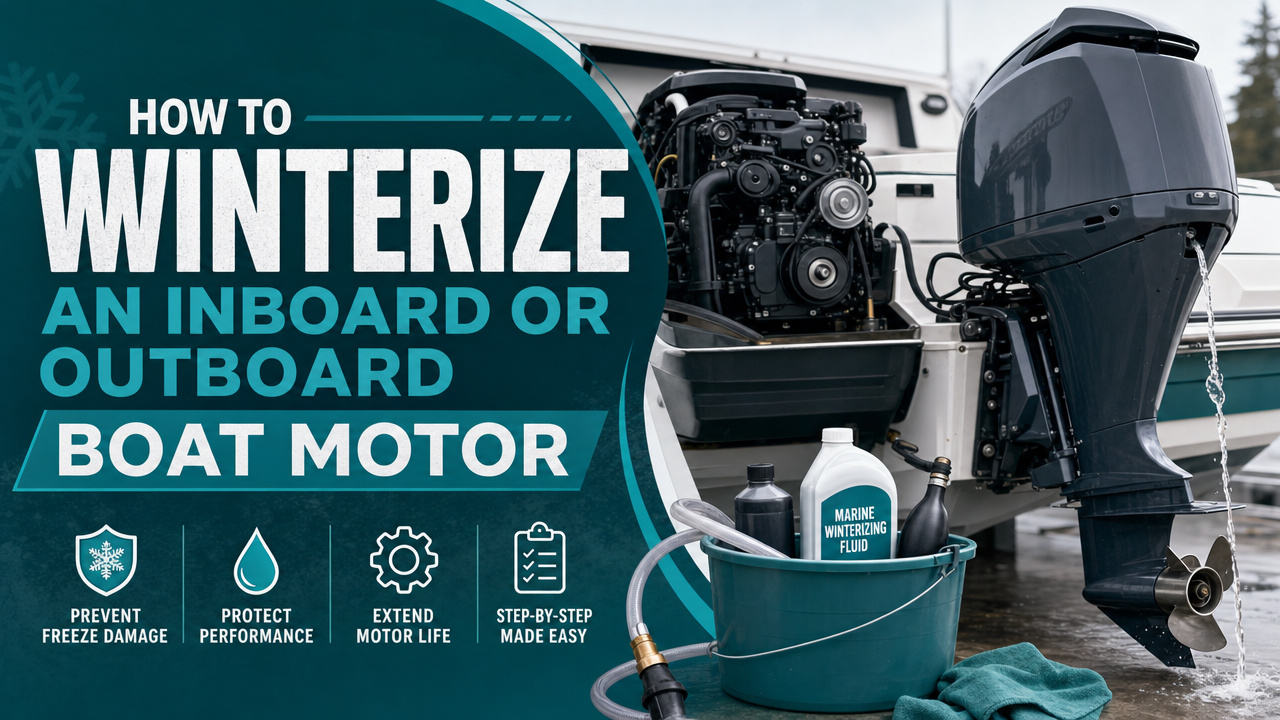
Winter is coming, and your boat engine needs more than a cover and crossed fingers. Whether you run an outboard, inboard, or I/O setup, proper winterization prevents corrosion, freeze damage, and fuel system failures. This guide walks you through the exact steps, fluids, and marine-grade lubricants required to store your engine safely until spring.
Boat engines sit idle for months in cold, damp conditions. Without proper prep, residual water inside the block can freeze, expand, and cause engine block cracking. Repair costs often exceed the value of the engine itself, making winterization non-negotiable.
Untreated fuel breaks down within 30 days. Fuel oxidation creates gum and varnish that clog injectors and carburetors. Ethanol-blended fuels also attract moisture, leading to phase separation and internal engine corrosion during long-term boat storage.
Cold weather storage also accelerates viscosity breakdown in old oil. Combustion byproducts, acids, and moisture accumulation inside the crankcase attack bearings and cylinder walls. A full oil change with premium marine lubricants neutralizes these threats before they cause damage.
Gather everything before you start. Running back and forth wastes daylight and increases the risk of skipping a critical step. Marine-specific products are mandatory because automotive fluids lack the water separation properties and anti-rust additives required for the marine environment.
How many gallons of antifreeze to winterize a boat depends on the engine. Most inboards and I/O systems need 3 to 6 gallons of propylene glycol marine antifreeze. Larger diesel marine engines may require up to 10 gallons for full circulation.
Outboard motor prep is straightforward but demands attention to detail. The process protects the powerhead, gearcase, and fuel system from freeze damage and saltwater rust prevention issues that plague coastal boaters.
Fill the tank to 95% capacity to reduce air space and moisture accumulation. Add premium fuel stabilizer at the manufacturer's ratio, then run the engine on muffs for 10 to 15 minutes. This circulates treated fuel through the injectors, carburetor, and fuel rails.
For direct injection outboards and fuel-injected models like the Yamaha or Mercury four-strokes, stabilizer prevents fuel degradation in high-pressure lines. Replace the water-separating fuel filter before storage to eliminate trapped water.
The outboard gear oil drain step catches contaminated water early. Position a drain pan, remove the lower drain screw first, then the vent screw. Milky oil indicates a failed seal that must be repaired before spring.
Refill with fresh marine gear lube 80W90 using a pump bottle from the bottom drain hole. This bottom-up fill method prevents air pockets. Extreme pressure gear oil (EP-rated) provides superior bearing and gear protection during long idle periods.
Fogging oil coats cylinder walls, pistons, and rings with a rust-inhibiting film. Remove spark plugs, spray fogging oil directly into each cylinder for 3 to 5 seconds, then hand-crank the engine to distribute the coating.
For carbureted two-strokes, spray fogging oil into the carburetor throat while the engine runs at fast idle until it stalls. Reinstall spark plugs finger-tight plus a quarter turn. This anti-wear film prevents dry-start damage in spring.
Inboard outboard winterization protects the closed or raw-water cooling system, engine internals, and drive unit. I/O motor winter storage failures usually trace back to trapped water in the manifolds, block, or heat exchanger.
Locate every drain plug and petcock on the block, exhaust manifolds, risers, and heat exchanger. Mercruiser and Volvo Penta engines have specific drain points documented in the service manual. Remove each plug and probe with wire to break up rust or scale blocking flow.
Run the engine briefly after draining to purge trapped water from the impeller housing. Any remaining water can freeze and crack cast iron components. Draining floating water from the gearcase is equally critical on stern drives.
Use only propylene glycol marine antifreeze, never automotive ethylene glycol. Connect an antifreeze pickup hose to the raw water intake, start the engine, and run 3 to 6 gallons through the system until pink fluid exits the exhaust.
The best marine antifreeze formula protects to -60°F or lower and contains corrosion inhibitors. This anti-rust chemistry safeguards the impeller, thermostat housing, and internal cooling passages throughout freezing months.
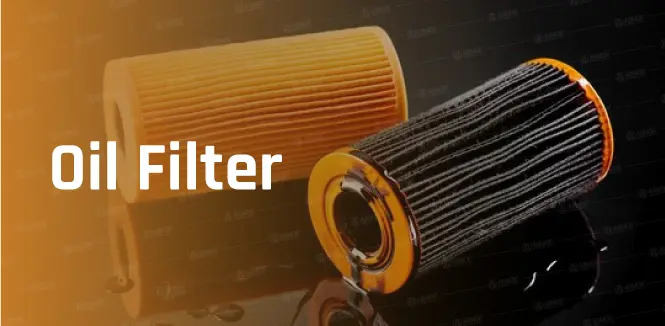
Warm oil drains completely and carries out suspended contaminants. Pump the old oil out through the dipstick tube, replace the filter, and refill with fresh NMMA FC-W marine oil. SAE 25W40 marine oil suits most gasoline marine engines, while heavy duty marine oil in 15W40 fits diesel marine engines.
Full synthetic marine oil offers superior oxidation stability, thermal stability, and anti-foam performance compared to conventional marine oil. For long-term boat storage oil, synthetic resists sludge formation and viscosity breakdown better than mineral formulations.
When choosing the right marine oil, verify API certification and OEM approval for your Mercruiser, Volvo Penta, or other brand. Synthetic vs mineral marine oil comes down to duty cycle. Fleet and commercial fishing boat winterization typically demands full synthetic for maximum engine protection.
The engine is protected, but the rest of the boat needs attention too. Skipping these final steps leads to dead batteries, mildew, and drivetrain corrosion by spring launch.
Label every drain plug you removed and store them in a bag inside the boat. Come spring, this checklist prevents the common mistake of launching without reinstalling a critical plug. Follow this same routine every year for winterizing a boat engine, and your powerplant will deliver decades of reliable service.
For premium marine lubricants engineered with high oxidation stability, extreme pressure additives, and corrosion protection for demanding marine environments, Armor Lubricants supplies marine-grade formulas trusted by fleet operators and recreational boaters worldwide.