Here are the 5 main reasons water comes out of a car's exhaust pipe, based on the text provided:
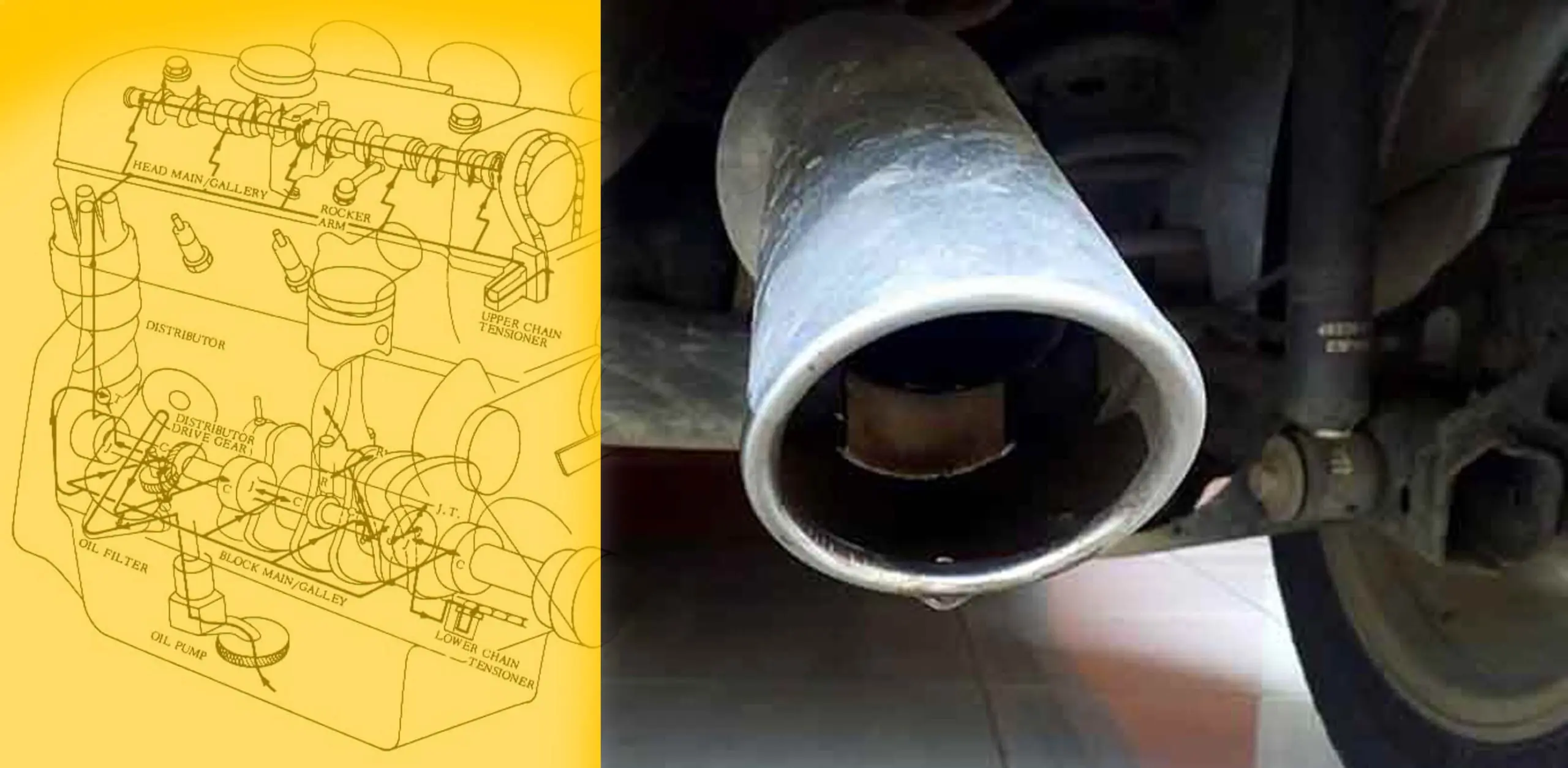
The internal combustion engine operates by mixing atomized fuel and incoming air within the cylinder. A timed spark ignites this highly volatile mixture to push the heavy piston down and generate continuous mechanical power.
During this intense combustion process the engine combusts hydrocarbon molecules found natively in standard gasoline. This exact chemical reaction continuously produces carbon dioxide and water as the absolute primary exhaust gases.
The immense excess heat of the running engine immediately turns this resulting liquid moisture into invisible water vapor. This heated gas travels rapidly down the metal pipe alongside other necessary exhaust emissions.
As the extremely hot water vapor exits the combustion chamber it travels through the entire exhaust system. The metal components of the undercarriage pipe are significantly cooler than the actual engine block.
When this hot gas hits the colder metal surfaces it will rapidly condense inside the exhaust system. This sudden temperature drop forces the invisible gas to transform back into physical water droplets.
These accumulated droplets eventually form a steady stream of liquid water that slowly travels outward. You will frequently notice water dripping steadily from the tail pipe onto the pavement below your bumper.
You can read more specific details regarding water coming from car exhaust directly from our technical automotive guides. Proper maintenance ensures these natural byproducts flow out without causing internal rust or heavy corrosion.
When you park your vehicle overnight the entire exhaust system drastically drops in temperature. The engine cools completely and the ambient air causes the metal components to become cold to the touch.
When you start the vehicle the next morning the fresh exhaust gases hit these freezing metal walls. The immediate reaction causes significant water condensation to form rapidly inside the long exhaust pipe.
This is exactly why you notice water dripping from your exhaust while idling in your driveway. As the vehicle sits still the pressure slowly pushes this accumulated liquid water out of the rear exhaust tip.
Seeing a moderate amount of moisture dripping from your car’s exhaust pipe is a completely normal occurrence. Most modern vehicles are specifically designed to safely expel this trapped water out of the rear tailpipe.
You do not need to panic or immediately consult a professional mechanic for standard morning drips. This harmless condensation simply proves that your internal engine combustion cycle is operating efficiently and correctly.
However, if the dripping continues long after the engine warms up fully, pay closer attention. A persistent leak might require you to get your vehicle checked to rule out a more serious issue.
The catalytic converter is a vital component located directly beneath your vehicle within the exhaust system. Its primary job is to process highly toxic engine gases before they can exit into the open atmosphere.
Inside this device extreme heat and precious metals trigger a powerful chemical reaction. This process breaks down dangerous nitrogen oxides and converts them into less harmful carbon dioxide and water.
Because the catalytic converter is so efficient at this job it actively creates additional water vapor. This necessary chemical conversion is one of the main causes of water forming inside your metal pipe exhaust.
When you first start the car the catalytic converter needs several minutes to reach peak operating temperature. During this rapid warmup phase the system produces a noticeably higher amount of moisture as a direct byproduct.
As the converter housing heats up the trapped water droplets are quickly expelled through the tailpipe. You will often see a steady drip or even a tiny puddle forming directly under the rear bumper.
Once the entire exhaust system that needs to be heated reaches optimal temperature the dripping should stop. The extreme heat will completely vaporize any remaining liquid water before it can exit the exhaust tip.
A leaking head gasket represents a severe mechanical failure within the internal combustion engine. This critical seal separates the hot combustion chamber from the surrounding coolant passages built into the engine block.
When this vital gasket fails it allows pressurized radiator coolant to leak directly into the engine cylinders. The engine combusts the coolant along with the regular fuel mixture on every single piston stroke.
This catastrophic failure will force a massive volume of water and antifreeze out of the exhaust valves. You will immediately notice water heavily leaking from the tailpipe even when the engine is fully warmed up.
If you have a blown head gasket you will notice smoke and water coming from the rear simultaneously. The burning radiator coolant produces an incredibly thick plume of billowing white smoke that lingers in the air.
Alongside the heavy white smoke you will likely detect a very distinct sweet smell near the exhaust tip. This sweet burning smell is the unmistakable chemical signature of vaporized antifreeze exiting the exhaust system.
If you witness these severe symptoms you must shut down the vehicle immediately to prevent total destruction. Reviewing common engine failure causes can help you understand the severity of internal coolant leaks.
To confirm a serious issue with your vehicle check the primary fluid reservoirs under the hood. A sudden and unexplained drop in your overall radiator coolant level is a massive red flag.
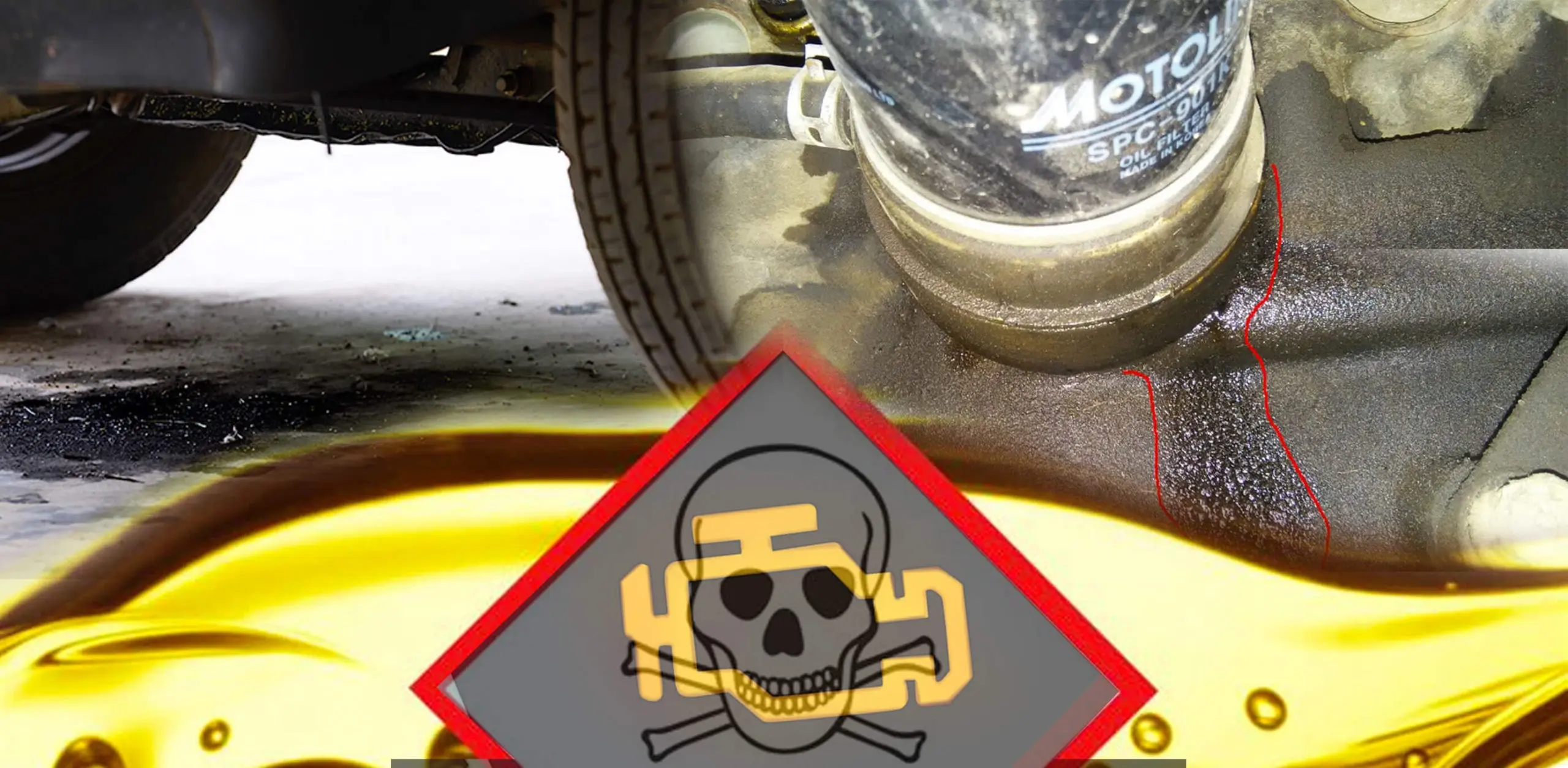
You must also check the engine oil dipstick for any signs of internal fluid contamination. If you discover water mixing with oil in the engine the lubricant will look like thick chocolate milk.
Operating a vehicle with contaminated oil will quickly destroy the internal bearings and piston rings. A damaged seal often leads to a vehicle continuously burning oil during operation and requires immediate mechanical repair.
Outside environmental factors heavily influence how much water you see coming out of your exhaust. Operating a vehicle in a significantly colder climate drastically increases the visibility of the natural condensation process.
The freezing outside air rapidly cools the metal exhaust pipe the moment the car is turned off. This extreme temperature differential guarantees that moisture will condense inside the exhaust system overnight without fail.
When you start the car on a freezing morning the hot exhaust gases instantly hit the frozen pipe. This rapid collision creates a highly visible cloud of steam and pushes heavy liquid water out the back.
Manufacturers know that excessive water condensation can severely damage the steel components of your exhaust system. If liquid water sits trapped inside the muffler it will eventually cause severe rust or holes.
To combat this exact problem a modern exhaust pipe is normal equipped with tiny weep holes. These small drainage holes are drilled directly into the lowest points of the muffler and the resonator.
These clever holes allow trapped liquid water to safely drip out onto the ground when the car is parked. This simple engineering trick significantly extends the lifespan of the entire exhaust system and prevents costly corrosion.
Many car owners wonder what happens if water goes up your exhaust pipe during heavy rainstorms. Driving a standard vehicle through flooded streets or deep standing water is an incredibly dangerous mechanical risk.
If the vehicle engine stalls or shuts off while the tailpipe is fully submerged underwater disaster strikes. The lack of outward exhaust pressure allows the flood water to quickly rush backward up the exhaust pipe.
This sudden rush of liquid can travel all the way past the catalytic converter and into the engine cylinders. This creates a hydrostatic lock which will instantly bend piston rods and destroy the internal combustion engine completely.
Sometimes you manage to drive through a flooded street without the engine stalling out completely. However you might notice thick white smoke coming from the tailpipe after I drove through high water.
This temporary white smoke occurs because the exterior of the exhaust system was soaked in cold water. The extreme heat of the running exhaust pipe is rapidly boiling off the external flood water.
If the smoke persists you should get your vehicle checked by a qualified professional mechanic immediately. You must ensure that no flood water bypassed the seals and entered the sensitive engine oil reservoir.
Many drivers mistakenly assume any puddle under their vehicle is directly coming out of your exhaust. Before you panic you must verify the exact physical location of the water dripping onto the pavement.
Your vehicle air conditioning system constantly pulls humidity out of the warm cabin air. This extracted moisture travels down a dedicated rubber drain tube and drops safely onto the ground below.
This specific AC condensate drain is typically located near the front passenger side firewall of the vehicle. If the puddle is near the front tires it is simply harmless AC condensation and not an exhaust leak.
To be absolutely certain you need to trace the physical path of the dripping water. Crouch down and look directly under the rear bumper to inspect the actual exhaust tip and muffler casing.
If you visibly see water droplets hanging from the metal lip of the tail pipe it is exhaust condensation. If the rear tailpipe is completely dry the water is originating from a different mechanical system entirely.
Always keep an eye on your dashboard temperature gauge to ensure the engine is operating normally. Maintaining the right operating temperatures helps prevent a severe car engine overheating scenario that could crack the block.
Sometimes you might notice dark or dirty water dripping from the exhaust pipe instead of clear liquid. This black water often alarms drivers who assume their engine is suffering from a catastrophic internal failure.
As the engine burns hydrocarbon fuel it naturally creates microscopic particles of black carbon soot. Over thousands of miles these dark carbon deposits heavily coat the inside of the tailpipe and muffler.
When normal harmless condensation occurs the clear liquid water washes over this thick layer of carbon buildup. The water mixes with the soot and drips out as a dark dirty liquid onto your driveway.
While a small amount of soot is normal excessive black water can indicate a specific tuning problem. If your internal combustion engine is running too rich it is injecting far too much fuel into the cylinders.
This excess unburned fuel creates massive amounts of dense black carbon that coat the entire exhaust system rapidly. The resulting water condensation will constantly run completely black and you may notice a harsh gasoline smell.
Fixing this specific fuel mixture issue will require a mechanic to inspect the oxygen sensors and fuel injectors. Using high quality lubricants and antifreeze coolant saves engine components from unnecessary wear and poor combustion efficiency over time.
Knowing exactly when to seek professional mechanical repair can save you thousands in engine replacement costs. If the car has been running for an hour and water is still heavily pouring out you need help.
A continuous heavy stream of water combined with a sweet smell indicates a dangerous radiator coolant leak. You must immediately stop driving and transport the vehicle to a certified repair shop for a diagnostic pressure test.
If you are only seeing a few drops of water when you first start the vehicle do nothing. This is exactly how the exhaust system was engineered to handle the natural water vapor of engine combustion.
If standard harmless condensation gets trapped inside a damaged muffler it will accelerate the rusting process exponentially. Eventually this trapped water will eat massive holes entirely through the thick steel casing of the exhaust pipe.
Once the metal is punctured you will hear a massive increase in aggressive engine noise. You will also notice water leaking directly from the center of the vehicle rather than the rear exhaust tip.
The only permanent way to fix this issue with your vehicle is to replace the damaged metal sections entirely. A professional mechanic can quickly cut out the rusted pipe and weld a brand new exhaust system into place.