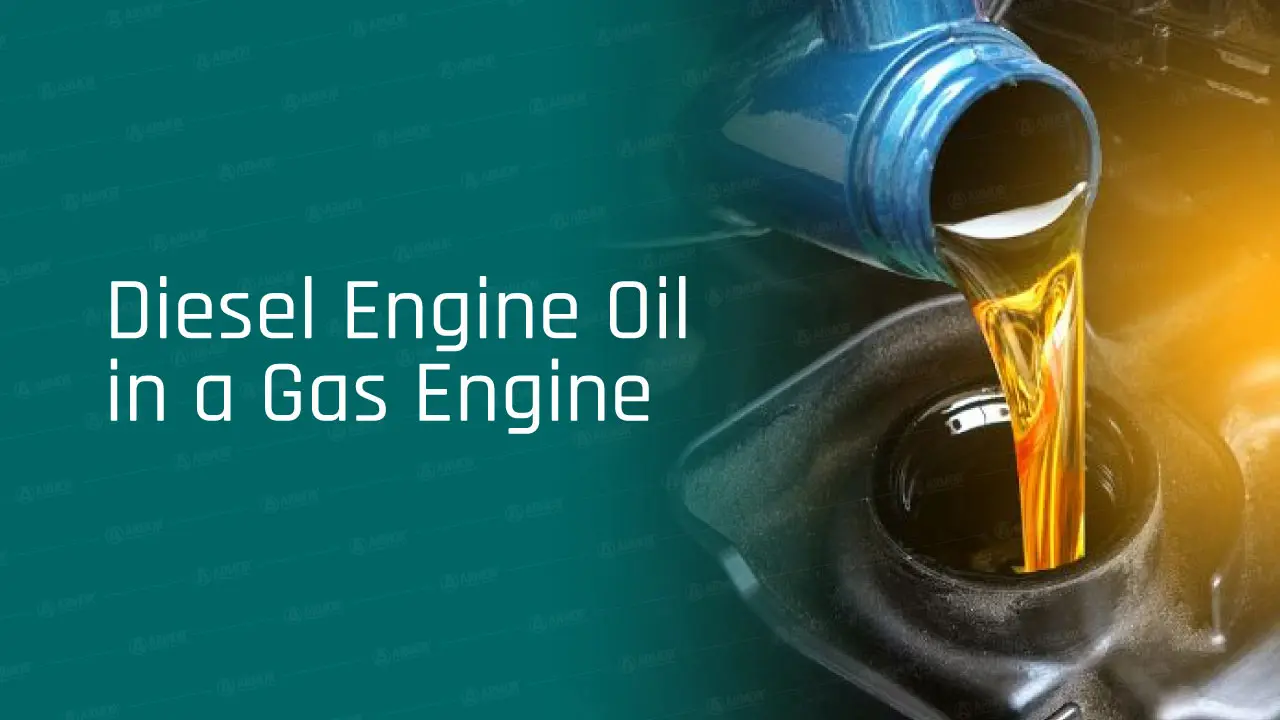
Yes, you can use diesel oil in a gas engine if it meets the required API specifications and viscosity for your vehicle. Categorizing motor oils into Diesel and Petrol oils depends basically on specifications. When the spec part works for both of them, we can say it is ok!
According to API (American Petroleum Institute) classifications, API "C" categories are for diesel and API "S" categories are for gasoline. Both classifications are not compatible, but when the motor oil is designed to meet both then it is fine.
Armor Lubricants produce multi purpose engine oils designed for both gasoline and diesel engines. Designed and tested to ensure they have balanced additives and detergents to provide wear protection while preventing excessive deposits in gasoline engines.
In this informative blog post, you will find a brief history of the American Petroleum Institute.
Yes, it's safe as long as it is compatible with API specifications.
Using diesel oil in a gas engine is possible, but it depends on the oil’s specifications and your vehicle's requirements. Dual use is safe when oil oils meet both diesel (API "C") and gasoline (API "S") standards.
Engine oils are classified by the American Petroleum Institute (API) into categories for gasoline (S-series) and diesel (C-series) engines.
Additives are used to enhance properties of motor oils. Cleanliness, oxidation, and even heat resistance are affected by the used additives. multi purpose engine oil are normally designed to fulfill the needs of both engines without compromising either of them.
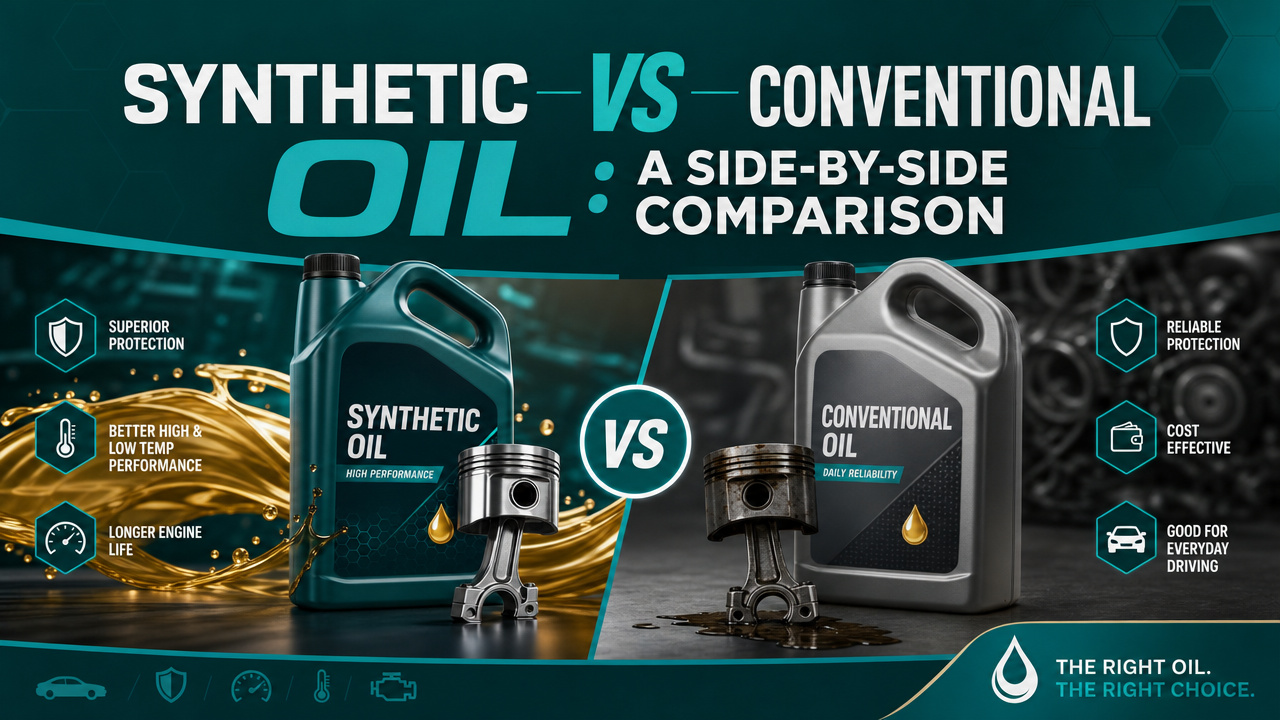
Both synthetic and conventional oils are available for gasoline and diesel engines, offering different levels of performance and protection. The difference lies in their base oil composition, which affects quality but not compatibility.
The main distinction between synthetic and conventional oil is performance, not compatibility.
Using the right engine oil for your engine is always the best choice. Gasoline engines perform best with engine oils designed specifically for them, ensuring proper lubrication, fuel efficiency, and emissions system protection.
However, if you need one engine oil for both gasoline and diesel engines, look for dual-rated engine oils. These oils meet both API S (gasoline) and API C (diesel) classifications, making them safe for use in both engine types.
For long-term engine health, always choose an oil that matches your engine’s specific requirements.
Gasoline and diesel engine oils share the same basic components—base oils and additives—but their formulations differ to meet the specific demands of each engine type. Key differences include emissions compatibility, viscosity, and additive content.
Gasoline engines rely on catalytic converters to reduce toxic emissions. Certain oil additives, like Zinc Dialkyldithiophosphate (ZDDP), can harm these systems by reducing their efficiency over time.
Viscosity plays a crucial role in engine protection, especially during cold starts and high-temperature operation. Diesel engine oils are typically thicker due to the high-pressure conditions in diesel engines.
Discover if 10W30 diesel Oil is a perfect choice or big mistake in this informative blog post.
Diesel engines generate more soot and combustion byproducts, requiring stronger detergents and acid-neutralizing additives. However, excessive detergents can negatively affect gasoline engine performance.