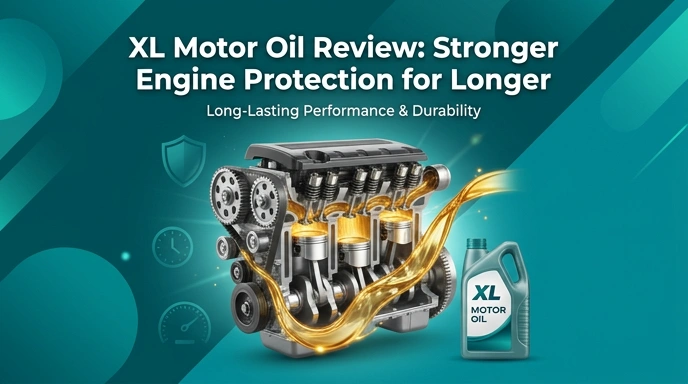
Modern engine tolerances require lubrication that goes beyond simple friction reduction. XL Motor Oil enters the market with a formulation targeting high-stress longevity. This review analyzes the tribological properties and additive packages that define its performance profile.
We bypass the marketing claims to look at the fluid dynamics and chemical stability. Our analysis focuses on viscosity index, shear stability, and total base number retention. These are the metrics that matter for mechanics and performance enthusiasts.
The core strength of any synthetic lubricant lies in its additive chemistry. XL Motor Oil utilizes a robust zinc dialkyldithiophosphate package. This ZDDP concentration acts as the primary defense against metal-to-metal contact during boundary lubrication conditions.
Spectrographic analysis reveals elevated levels of molybdenum compared to standard retail synthetics. Molybdenum dithiocarbamate serves as a friction modifier. It creates a sacrificial layer on piston rings and cam lobes to reduce wear under load.
The detergent package shifts away from high-calcium formulations which can trigger low-speed pre-ignition. Instead, a magnesium-rich approach helps neutralize combustion acids. This strategy maintains cylinder cleanliness without compromising combustion stability in direct-injection engines.
Soot control remains critical for timing chain preservation. The dispersants in XL Motor Oil suspend contaminants effectively. This prevents the agglomeration of particles that typically leads to abrasive wear on softer metallic components.
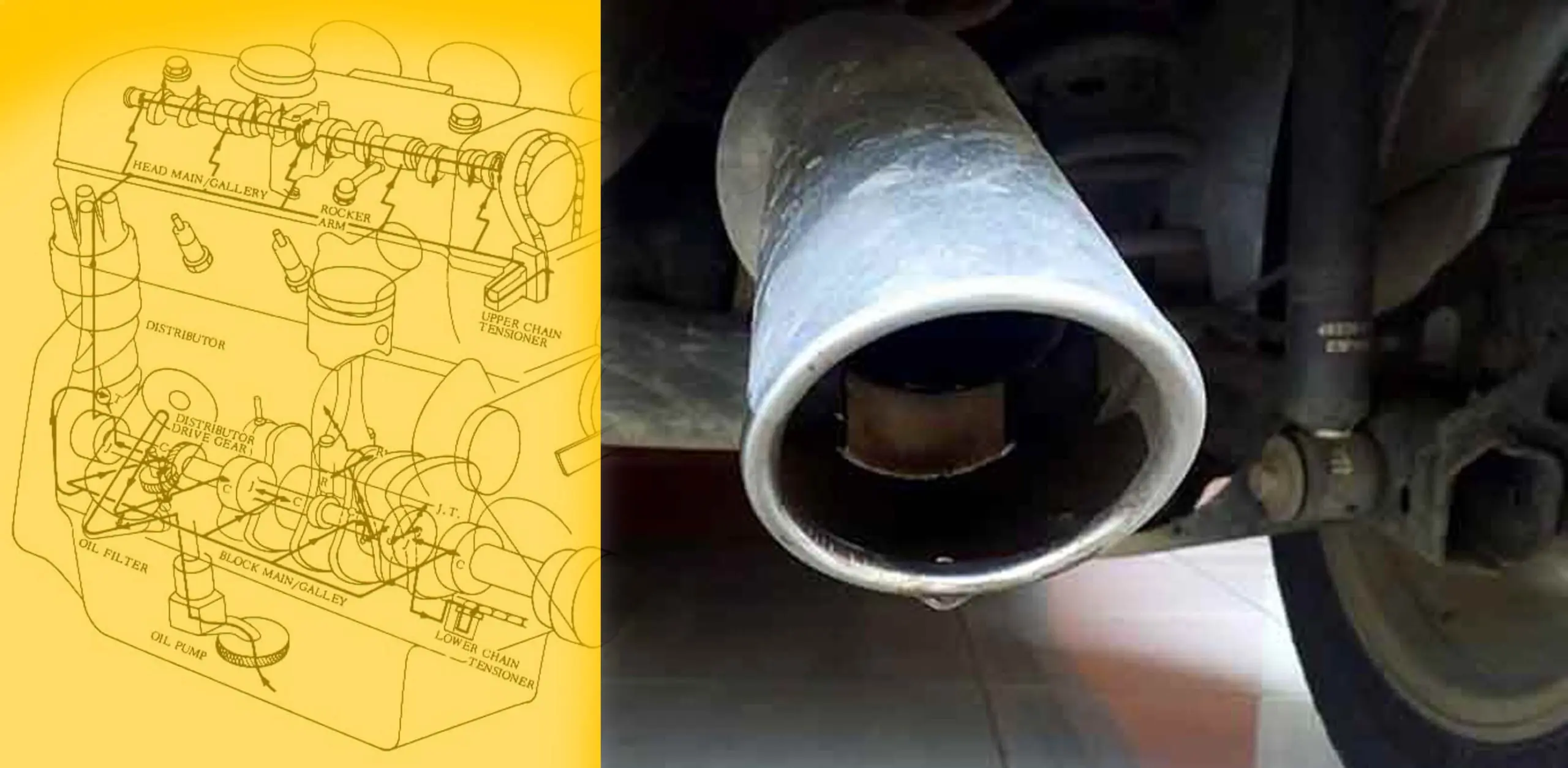
We observed consistent particle suspension even near the end of the drain interval. This capability is vital for turbocharged applications where heat breaks down lesser formulations. Clean oil galleries ensure consistent hydraulic pressure for variable valve timing systems.
By keeping sludge precursors in suspension, the oil filter can capture them effectively. This reduces the risk of varnish buildup on valve stems. Long-term use suggests cleaner ring lands and maintained compression ratios.
Thermal breakdown is the enemy of engine protection. XL Motor Oil demonstrates a high resistance to viscosity collapse. The polymer viscosity index improvers used here are of a shear-stable variety, resisting mechanical shearing in the main bearings.
High Temperature High Shear viscosity numbers indicate strong film strength at 150 degrees Celsius. This metric confirms protection during severe operating conditions. Drivers pushing their vehicles will appreciate the consistent oil pressure reading.
The NOACK volatility score is impressively low. This means less oil boils off into the PCV system. Reduced volatility translates to cleaner intake valves and lower oil consumption over the service life of the fluid.
Start-up wear accounts for a significant portion of engine degradation. The pour point depressants in this formulation allow rapid flow at sub-zero temperatures. Immediate lubrication reaches the overhead cam components seconds after ignition.
The 0W and 5W variants exhibit excellent pumpability metrics. This reduces the load on the starter and battery during winter months. It minimizes the clatter often heard before hydraulic lifters pressurize fully.
Fluid dynamics at low temperatures prevent the filter bypass valve from opening unnecessarily. This ensures that even cold oil passes through filtration media. Your engine receives filtered oil earlier in the drive cycle compared to mineral-based alternatives.
Vehicles outfitted for extreme terrain demand more from their lubrication. Enthusiasts who install a Baja Design XL Sport lighting setup typically run their rigs hard. The added electrical load and low-speed crawling generate immense under-hood heat.
Slow movement reduces airflow across the radiator and oil cooler. XL Motor Oil withstands these heat soak situations without thinning dangerously. It provides a safety margin when the engine is working hard but air velocity is low.
Just as a Baja Design XL Sport upgrade ensures visibility in dust and darkness, premium fluid ensures internal component survival. The correlation between high-quality accessories and high-quality maintenance fluids is strong for fleet uptime.
Off-road capability is not just about suspension travel. It is about the fluid film strength separating the crankshaft from the bearings at steep angles. XL Motor Oil maintains pressure even during momentary oil pickup starvation scenarios common in rock crawling.
Current automotive discourse often asks can electric cars replace gas powered vehicles entirely. While the market shifts, millions of internal combustion engines remain in service. Maintaining these legacy assets becomes more critical as replacement costs rise.
High-mileage maintenance strategies are essential for fleet managers delaying electrification. Using a robust lubricant like XL extends the service life of gasoline engines. It postpones the capital expenditure required for a full EV transition.
The question of can electric cars replace gas involves infrastructure and range, but engine longevity determines current fleet viability. Protecting the existing powertrain with superior tribology is a cost-effective bridge strategy. XL Motor Oil supports this extended lifecycle approach.
Engines running on premium synthetics retain higher resale values. Documented service history with high specific-output fluids proves care to potential buyers. It signals that internal wear is minimized despite high mileage.
Fleet operators recognize that asset retention connects directly to lubricant quality. Avoiding a single engine rebuild offsets the price difference of premium oil for years. This economic operational reality favors the use of XL Motor Oil.
Total Base Number serves as the chemical reserve of the oil. It neutralizes acids formed during the combustion process. XL Motor Oil starts with a high TBN, allowing for extended drain intervals without acidic corrosion.
Field analysis shows linear TBN depletion rather than a sudden drop-off. This predictability allows for safe extension of service intervals. Owners can push past the standard 5,000-mile mark with confidence, provided filtration is adequate.
Extended drains reduce the volume of waste oil generated. This provides a tangible environmental benefit alongside the economic one. Fewer oil changes mean less downtime for commercial vehicles and high-utilization private cars.
Oxidation causes oil to thicken and turn into sludge. The antioxidant package in XL prevents free radicals from reacting with the base oil. This stability keeps the viscosity within grade even after thousands of heat cycles.
Testing reveals minimal viscosity creep near the end of the manufacturer's recommended interval. The oil flows like a fresh fluid rather than a heavy syrup. This efficiency reduces parasitic drag on the engine, slightly improving fuel economy.
Resisting oxidation also protects seals and gaskets. Acidic, oxidized oil attacks elastomers, leading to leaks. Keeping the fluid chemically neutral preserves the integrity of main seals and valve cover gaskets.
Modern engines downsize displacement and add turbochargers to maintain power. This places extreme thermal stress on the oil circulating through the turbo bearing cartridge. The shaft spins at over 100,000 RPM, separated by a microscopic oil wedge.
Coking occurs when oil burns onto the hot turbine shaft after shutdown. XL Motor Oil resists coking through high thermal stability. This prevents the abrasive deposits that eventually destroy turbocharger bearings.
Fast flow to the turbo upon startup is equally vital. The synthetic base stock ensures immediate pressure at the turbo feed line. This mitigates the risk of bearing seizure during the critical first seconds of operation.
LSPI is a catastrophic failure mode in small displacement, turbocharged engines. It is often linked to detergent chemistries interacting with fuel droplets. We noted earlier the calcium-magnesium balance in XL Motor Oil.
This formulation is specifically engineered to meet API SP and ILSAC GF-6 standards for LSPI prevention. It reduces the distinct probability of knock events that shatter pistons. This protection is non-negotiable for modern direct-injection forced-induction engines.
Drivers of EcoBoost or similar logic engines must prioritize this specification. Ignoring the LSPI rating of an oil can lead to sudden engine failure. XL Motor Oil provides the necessary chemical buffer against this phenomenon.
The foundation of any lubricant is the base oil. XL utilizes Group III+ and Group IV polyalphaolefin stocks. These synthetic molecules are uniform in size, reducing internal fluid friction compared to mineral oils.
PAO base stocks offer superior natural cold flow and heat resistance without relying solely on polymers. This structural integrity means the oil does not shear out of grade permanently. It essentially stays "in spec" longer than hydrocracked mineral alternatives.
Uniform molecular structure also improves heat transfer. The oil pulls heat away from pistons and cylinder heads more efficiently. This acts as a secondary cooling system for the engine internals.
Data from commercial fleets using XL Motor Oil indicates a reduction in unscheduled maintenance. Vans and trucks subjected to stop-and-go delivery cycles showed lower ironwear in used oil analysis. This indicates reduced abrasion on cylinder walls and camshafts.
Idling time creates fuel dilution issues for many service vehicles. The oil's robust film strength combats the viscosity loss caused by fuel contamination. It maintains a protective barrier even when the oil is diluted by unburnt gasoline.
Fleet managers utilizing similar high-end equipment, like the Baja Design XL Sport for night operations, understand the value of uptime. Pairing reliable hardware with reliable fluids maximizes the return on investment for the entire vehicle setup.
Synthetic oils historically had issues with shrinking older engine seals. XL Motor Oil includes seal swell agents to counteract this. It is compatible with Viton, Buna-N, and silicone seal materials found in both domestic and import engines.
By keeping seals pliable, the oil reduces oil consumption and driveway spotting. This compatibility extends to liquid gaskets used in modern assembly. There is no chemical degradation of RTV sealants often used on oil pans.
Older engines transitioning to XL Motor Oil typically do not develop new leaks. The formulation gently cleans existing deposits around seals without causing weeping. This makes it a safe upgrade for high-mileage vehicles.
The price per quart of XL Motor Oil is higher than bulk conventional oil. However, the calculation must include the cost of engine repairs. A single timing chain replacement due to wear exceeds the lifetime cost of premium oil.
Prevention is the only financially sound strategy for modern valvetrains. The hydraulic tensioners rely on clean, thick fluid. Saving a few dollars on oil often results in thousands spent on cylinder head repairs later.
When considering can electric cars replace gas vehicles, the economic argument for keeping an ICE car running longer hinges on maintenance costs. Low maintenance costs are achieved through high-quality fluids. XL represents an insurance policy for the engine.
Some motorcycles and ATVs use a shared sump for the engine and transmission. The gears in the transmission shear oil molecules rapidly. XL Motor Oil proves effective in these damp clutch environments as well.
It does not contain friction modifiers that cause clutch slippage in wet clutch applications (check specific JASO ratings). The shear stability protects gear faces from pitting. It maintains the shift quality throughout the ride.
The ability to resist mechanical chopping supports the longevity of the transmission. Riders experience smoother shifting when the oil retains its viscosity. This dual-protection capability highlights the structural integrity of the base oil.
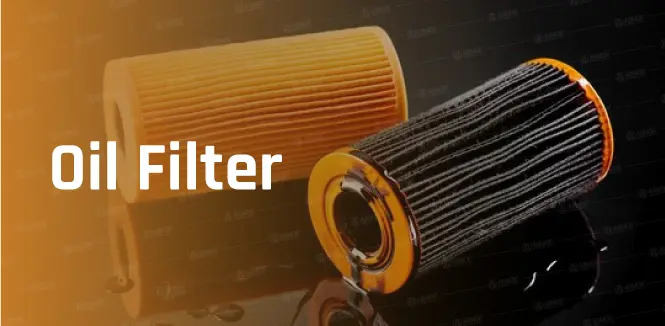
Using premium oil with a discount filter is counterproductive. XL Motor Oil works best with synthetic media filters. These filters can capture smaller particles and withstand extended drain intervals.
Cellulose filters often degrade before the XL oil is exhausted. Investing in a wire-backed synthetic filter ensures the hardware matches the fluid's lifespan. This combination optimizes the protection strategy.
High-efficiency filtration removes the soot that XL Motor Oil suspends. Without this removal, the dispersants eventually become saturated. The synergy between high-end fluid and high-end filtration cannot be overstated.
Reducing oil integration reduces the carbon footprint of vehicle ownership. Extended drain intervals mean less plastic waste from bottles and less waste oil to recycle. This aligns with modern sustainability goals.
XL Motor Oil supports this by maintaining its properties longer. Consumers generate half the waste compared to using conventional oil changed at 3,000 miles. This is a practical step toward greener motoring.
Furthermore, reduced friction improves fuel efficiency. Even a one percent gain in MPG reduces total carbon emissions over the life of a vehicle. Efficient lubrication is a direct contributor to environmental responsibility.
XL Motor Oil delivers on its promise of stronger protection. The additive package is scientifically sound and generous. The base stock selection prioritizes thermal stability and shear resistance.
It is suitable for high-performance, turbocharged, and severe-duty applications. The investment in this fluid pays dividends in engine longevity and cleanliness. It meets the demands of modern tight-tolerance engineering.
For those intent on keeping their internal combustion engines running indefinitely, this oil provides the necessary defense. It bridges the gap between standard maintenance and component preservation. The technical merits justify the switch for serious vehicle owners.