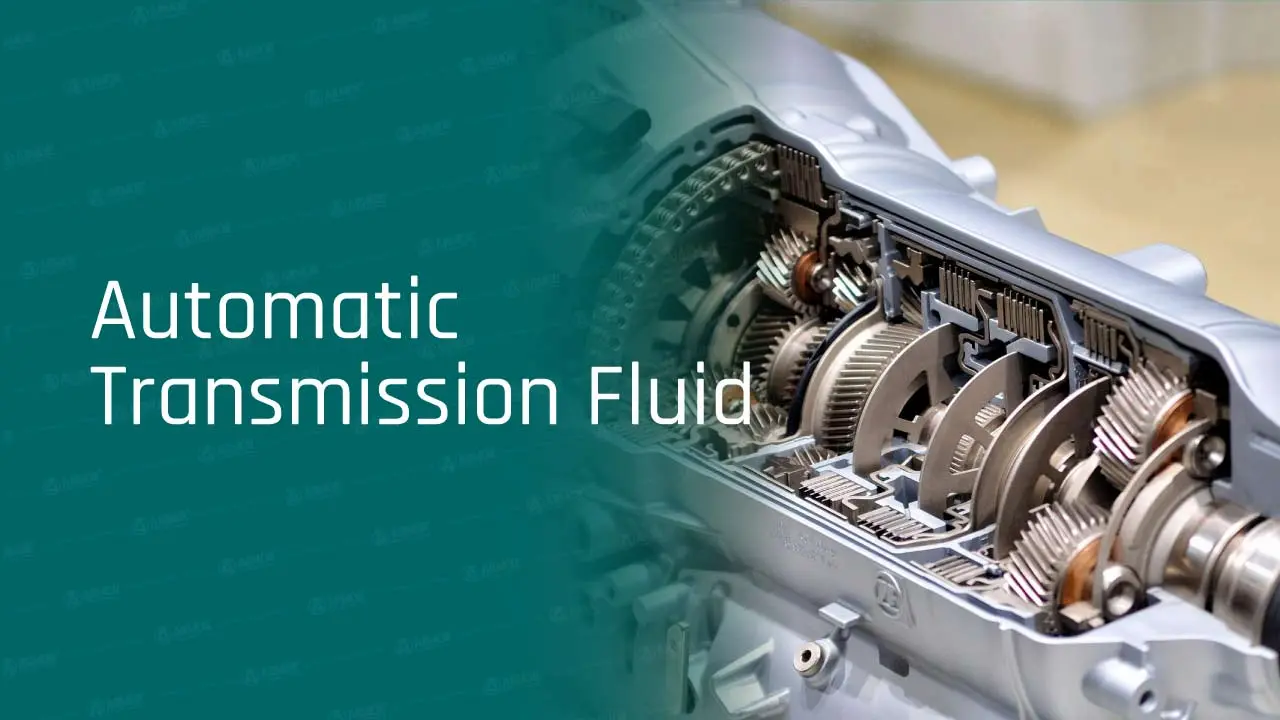
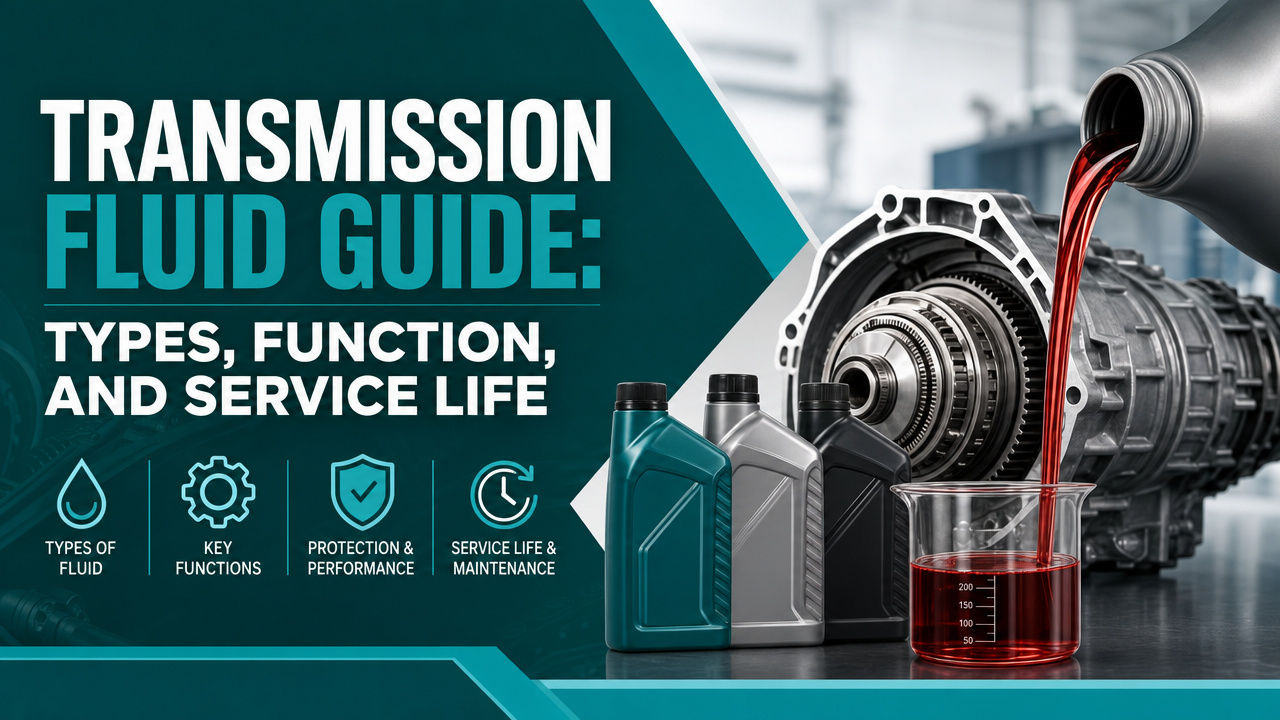
Transmission fluid is a specialized lubricant engineered to maintain smooth operation inside automatic, manual, CVT, and DCT gearboxes. It manages lubrication, hydraulic pressure, cooling, and friction control simultaneously, making it one of the most demanding fluids in any vehicle.
The core transmission fluid function covers lubrication of transmission gears, bearings, and synchronizers while reducing metal to metal contact. It also powers the hydraulic system, supports the torque converter, and stabilizes clutch engagement for consistent shifting performance.
Beyond mechanical duties, auto transmission fluid carries heat away from internal components. Its thermal stability, oxidation stability, and anti wear additives protect against fluid degradation, sludge and deposits, and premature wear under high-load cycles.
Each gearbox architecture demands a specific lubricant formulation. Choosing between transmission fluid types depends on the design, friction requirements, and OEM specification transmission lubricants outlined in the vehicle owner manual fluid recommendation.
Automatic transmission fluid ATF is the most widely used category, formulated with friction modifiers, anti foam agents, and tailored viscosity for hydraulic precision. ATF Dexron Mercon variants dominate North American applications, each with distinct frictional and oxidation profiles.
Dexron VI is a full synthetic transmission fluid offering superior thermal stability, longer drain interval, and improved fuel economy compared to Dexron III. The Dexron III vs Dexron VI debate typically favors VI for modern 6-speed and 8-speed automatics.
Mercon V and Mercon LV specifications cover most Ford automatics, with Mercon LV designed for low-viscosity, fuel-efficient applications. Ford Type F ATF application is reserved for older Ford and select performance units requiring high-friction characteristics without modifiers.
CVT fluid is engineered for continuously variable transmissions that rely on a steel belt or chain running between variable pulleys. Continuous variable transmission fluid specs prioritize metal-on-metal friction control to prevent belt slip while protecting pulley surfaces.
The CVT fluid vs ATF distinction matters. The difference between CVT and ATF fluid lies in friction behavior, viscosity grade, and additive package. Using ATF in a CVT causes belt slippage, accelerated wear, and transmission failure within thousands of kilometers.
DCT fluid serves dual clutch transmission units, which combine manual gearbox mechanics with automated shifting. Dual clutch transmission fluid properties include high shear stability, precise friction modifiers, and cooling capacity to handle rapid clutch engagement under load.
Wet-clutch DCTs require fluids that lubricate gears and cool clutch packs simultaneously. Dry-clutch DCTs use a gear-oil-style fluid for the gearbox section only. Matching the correct DCT specification prevents shudder, hesitation, and premature clutch wear.
Manual transmission fluid MTF varies widely. Some manual gearboxes use ATF, others require dedicated MTF, and many heavy-duty units specify API GL 4 GL 5 gear oil. The best oil for manual gearbox depends on synchronizer material and load rating.
API GL-4 suits most synchromesh passenger car transmissions, while API GL-5 extreme pressure gear oil is reserved for hypoid differentials and heavy-duty drivetrain fluid applications. Using GL-5 in a GL-4 unit can attack yellow-metal synchronizers.
Selecting the right transmission fluid for your vehicle starts with the owner manual or the lubricant cross reference guide provided by reputable suppliers. Never assume compatibility based on color or viscosity alone, since additive chemistry varies dramatically between specifications.
Use this transmission fluid matching guide when deciding how to choose transmission fluid:
For commercial fleet transmission oil and heavy equipment transmission lubrication, match the fluid to load class, duty cycle, and ambient temperature. Armor Lubricants transmission fluid lines cover passenger car transmission oil, heavy duty transmission fluid, and industrial gearbox fluids with documented technical data sheets.
Recognizing early signs of bad transmission fluid prevents catastrophic gearbox damage. Fluid contamination, oxidation, and additive depletion compromise shifting performance and gearbox protection long before total failure occurs.
Watch for these symptoms:
Symptoms of low transmission fluid often mirror those of degraded fluid. Both reduce hydraulic pressure, starve bearings, and cause slipping gears transmission fluid issues. Address leaks immediately and replace transmission seals where required to prevent recurring loss.
Checking transmission fluid color is a quick diagnostic tool. The transmission fluid color guide reveals oxidation level, contamination, and overall fluid health between scheduled service intervals.
Dark brown transmission fluid meaning is straightforward — the fluid has oxidized and lost protective properties. Pink or red transmission fluid indicates healthy ATF, while burnt fluid signals overheating, clutch slippage, or extended service intervals beyond the transmission fluid lifespan.
The transmission fluid change interval shortens under towing, stop-and-go traffic, or extreme temperatures. Transmission fluid service life typically ranges from 60,000 to 150,000 km depending on whether the fluid is mineral oil based ATF, synthetic blend transmission fluid, or full synthetic.
Flushing vs changing transmission fluid is another consideration. A drain-and-fill replaces roughly 40 to 50 percent of the fluid, while a full flush exchanges nearly all of it. Flushing is recommended only when fluid is in good condition or per OEM guidance.
For long drain interval performance, premium transmission oil built on a synthetic base oil delivers superior temperature resistance, oxidation stability, and transmission bearing protection. Armor Lubricants high performance transmission fluid range supports both automotive drivetrain lubricants and industrial power transmission fluids with verified OEM compliance.