Diesel performance hinges on one number most operators rarely discuss in detail. The cetane rating dictates how quickly fuel ignites under compression, shaping everything from cold starts to soot loading. For fleet managers, equipment owners, and lubrication specialists, knowing what this value means is critical to protecting engines and optimizing fuel economy.
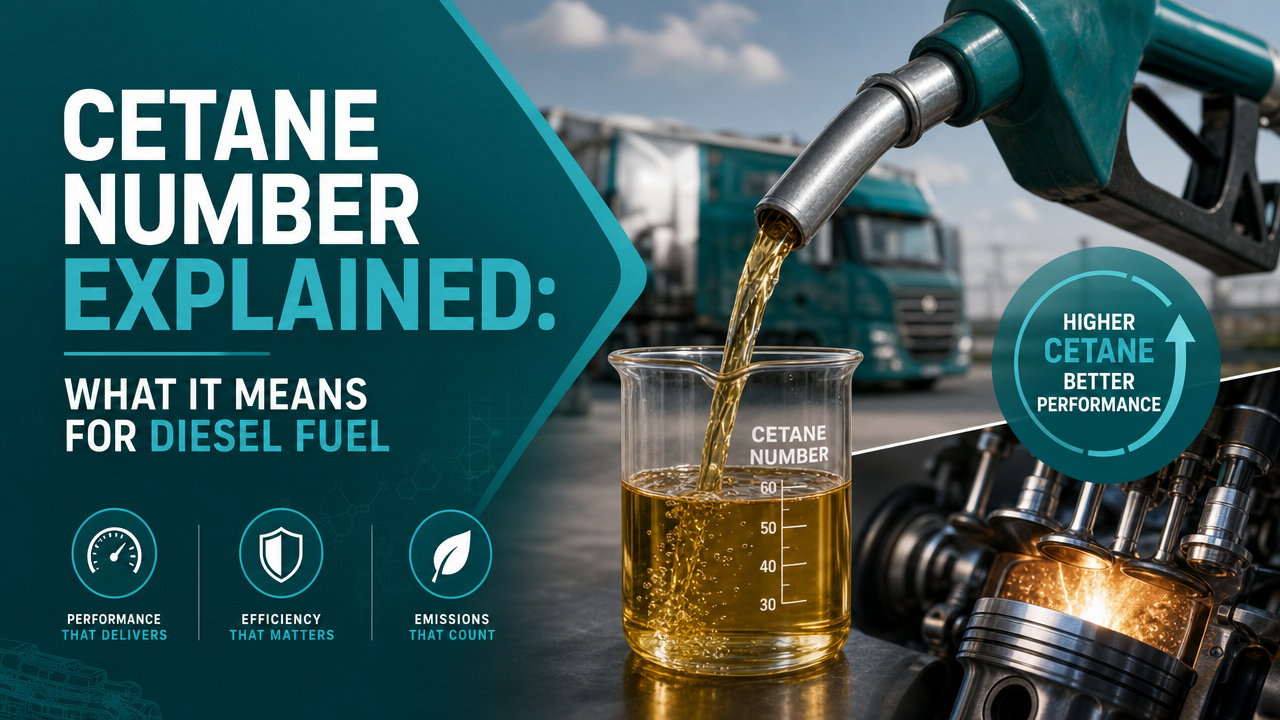
Cetane is a measure of diesel fuel ignition quality. Specifically, it indicates how quickly the fuel ignites after being injected into the combustion chamber. The cetane definition is rooted in the ignition delay period, which is the time between injection and the start of combustion.
A higher cetane value means a shorter delay and smoother combustion. The cetane number diesel engines require depends on design, but compression ignition systems universally benefit from consistent, predictable ignition behavior.
The cetane index is a calculated approximation often used when laboratory testing is unavailable. While useful, it is not a perfect substitute for the actual cetane rating test results.
The cetane rating is measured using the ASTM D613 test, performed in a single-cylinder reference engine known as the Cooperative Fuels Research (CFR) engine. The fuel sample is compared against reference blends of cetane (set at 100) and heptamethylnonane (set at 15).
A newer method, the Diesel Ignition Quality Tester (IQT), uses a constant volume combustion chamber to measure ignition delay directly. Both methods quantify how readily the fuel auto-ignites under pressure and heat.
Key points about cetane measurement include the following:
Cetane levels vary significantly by region and grade. The minimum cetane requirement in the USA versus Europe reflects different regulatory and air quality priorities. US diesel typically meets a minimum of 40, while European EN 590 diesel requires a minimum of 51.
Premium diesel cetane values often range from 47 to 55 in the US market, offering noticeably better combustion than regular grades. European premium diesel can reach 55 to 60, which explains why European diesel has higher cetane on average.
Typical cetane numbers to expect:
So does premium diesel have higher cetane? Yes. Premium grades consistently outperform standard diesel in ignition quality, lubricity, and detergency.
Cold starting performance improves dramatically with higher cetane fuel. A shorter ignition delay means the fuel ignites before excessive vapor accumulates, reducing the harsh knock and white smoke common with low cetane diesel symptoms.
In the diesel engine combustion cycle, premature or delayed ignition disrupts pressure curves and creates noise, vibration, and incomplete burning. High cetane diesel produces smoother combustion, lower peak cylinder pressures, and better torque delivery.
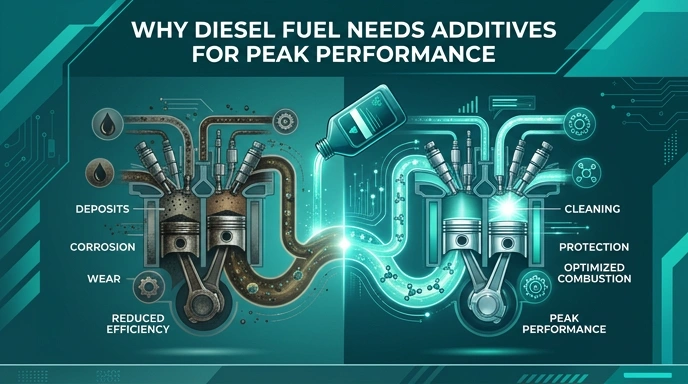
Combustion quality directly affects engine oil life. Poor ignition leads to unburned fuel deposits, cylinder wash, and accelerated soot loading in diesel engine oil. This shortens drain intervals and stresses aftertreatment systems like DPF and EGR.
Benefits of higher cetane combustion include:
Cetane and octane measure opposite properties. Octane rates a gasoline fuel's resistance to auto-ignition, which is essential for spark ignition engines that must avoid premature combustion or knock. Cetane rates how readily diesel fuel auto-ignites under compression.
The cetane number vs octane number comparison comes down to engine architecture. Gasoline engines need fuel that waits for the spark. Diesel engines need fuel that ignites immediately under heat and pressure.
So what is the difference between cetane vs octane? A high octane gasoline resists ignition, while a high cetane diesel encourages it. Mixing the two concepts is a common error among non-specialists.
Cetane boosters are fuel additives designed to raise the ignition quality of diesel. The most common cetane improver additive is 2-ethylhexyl nitrate (2-EHN), which accelerates the chemical decomposition that initiates combustion.
Are cetane boosters worth it? Yes, when the base fuel is marginal or when operating in cold climates, hauling heavy loads, or running older equipment. The best cetane booster for heavy duty trucks typically combines 2-EHN with lubricity additives and detergents.
Cetane boost fuel treatment is most valuable in these scenarios:
For passenger car diesel and modern common rail systems, premium diesel may eliminate the need for separate additives. However, for heavy duty diesel engines and industrial applications, a quality booster pays back through reduced wear and cleaner combustion.
Fuel quality and lubricant selection work together. Poor combustion from low cetane fuel accelerates soot loading, oxidation, and acid formation in the crankcase. This is why diesel engine oil selection must match operating conditions.
Modern API CK-4 heavy duty diesel oils and API FA-4 specifications offer improved oxidation resistance and soot handling. ACEA E9 diesel specs cover European applications, while OEM approvals like Volvo VDS-4.5, Cummins CES 20086, and Mercedes Benz MB 228.31 define specific performance levels.
Recommended pairings for diesel fleets include:
For high mileage diesel engines, full synthetic formulations deliver better thermal stability, fuel pump lubrication, and engine wear protection. The right combination of high cetane fuel and OEM approved diesel engine oils extends equipment lifespan and reduces total cost of ownership.
What is a good cetane number for a diesel engine? For most modern engines, 45 to 55 delivers reliable performance, clean combustion, and protection for the diesel fuel injection system. Below 40, expect harder starts, more noise, and faster oil degradation.
Combining premium diesel with the correct lubricant grade is the most effective strategy for heavy equipment lubrication and fuel quality optimization. Armor Lubricants offers a full range of API CK-4, FA-4, and ACEA E9 compliant oils engineered for commercial fleet vehicles, construction machinery, and power generation engines.
Pay attention to the cetane value at the pump, choose lubricants matched to your engine's OEM specification, and use cetane boosters strategically when fuel quality or climate demands it. These steps protect your fleet, reduce emissions, and maximize uptime.