
Selecting the optimal lubricant for your internal combustion engine requires moving beyond brand loyalty and marketing slogans. You must understand the chemical engineering that dictates performance under thermal stress and mechanical load.
The best synthetic engine oil is not a singular product that applies to every vehicle. It is a formulation that aligns specific base stock properties and additive packages with the tolerances of your engine. Your choice impacts longevity, fuel efficiency, and protection against catastrophic failure.
Performance varies significantly based on Total Base Number retention, volatility scores, and shear stability. Identifying the right product requires analyzing technical data sheets rather than just reading the viscosity grade on the front label.
The foundation of any top synthetic motor oil is its base stock. While marketing suggests all synthetics are equal, the industry distinguishes between different groups of base oils. Understanding these groups is the first step in determining quality.
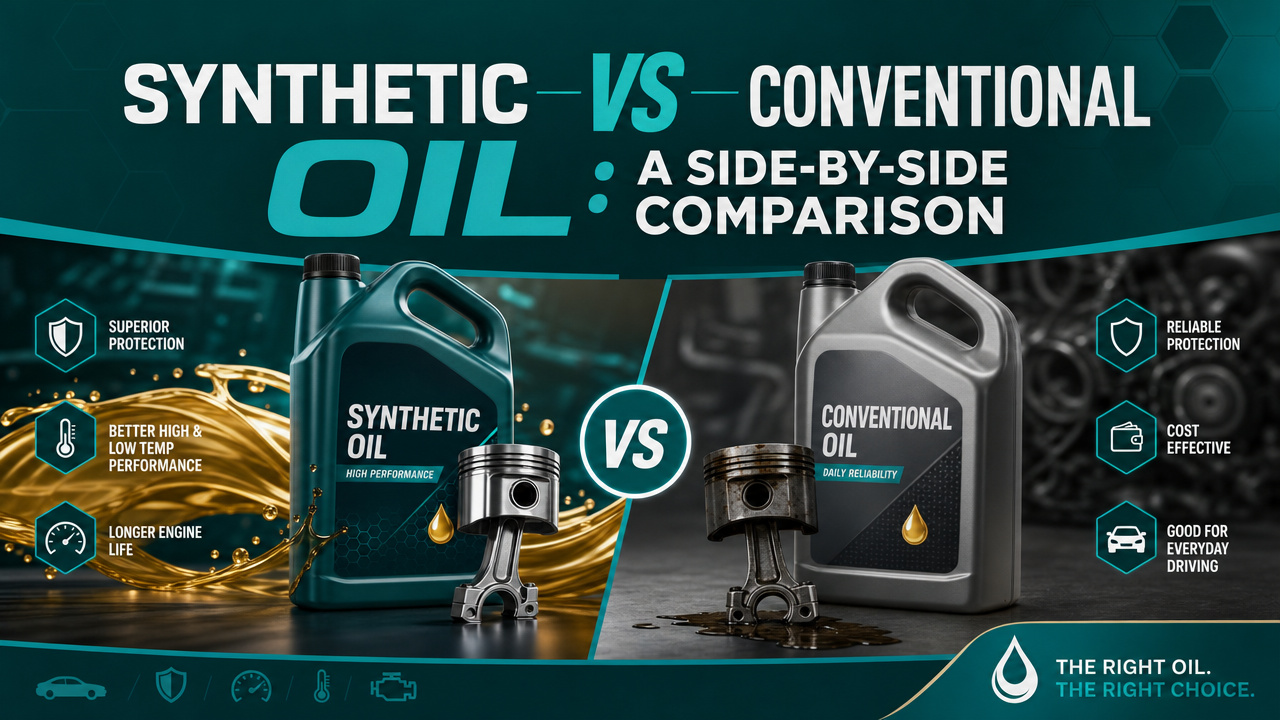
Most shelf-brand synthetics utilize Group III base oils. These are highly refined mineral oils produced through severe hydrocracking. They perform well for daily driving but may lack the thermal stability required for extreme performance variations.
True synthetic enthusiasts often look for Group IV base stocks. These utilize Polyalphaolefins or PAOs. PAOs are chemically engineered molecules that provide uniform structure. This uniformity reduces friction and improves predictable flow rates during cold starts.
Group III oils rely on modifying crude oil structures to mimic synthetic properties. They offer a cost-effective solution for standard drain intervals. They meet the needs of most naturally aspirated engines in moderate climates.
Group IV PAO oils are synthesized from ethylene gas. They possess zero impurities such as sulfur or waxes found in crude. This results in naturally higher viscosity indices and superior resistance to oxidation at high operating temperatures.
Group V base stocks consist of esters and other compounds not included in previous groups. Esters are highly polar, meaning they naturally adhere to metal surfaces. This electrochemical bonding provides immediate protection during startup before pressure builds.
Red Line and certain Motul racing oils heavily utilize esters. However, esters can be hygroscopic, meaning they absorb moisture from the atmosphere. This makes them ideal for high-performance applications but potentially less stable for extended drain intervals in daily drivers.
Two oils labeled 5W-30 can behave very differently under stress. The numbers on the bottle strictly refer to SAE grades at specific test points. They do not tell the whole story of how the fluid behaves as temperatures spike.
The Viscosity Index or VI measures the fluid's resistance to thinning as heat increases. A higher VI indicates a stable oil that maintains film strength under load while remaining pumpable in freezing conditions. The best synthetic oils boast high VI numbers without relying heavily on unstable polymers.
Viscosity modifiers extend the temperature range of the oil. However, cheap modifiers shear down over time. This physical breakdown causes the oil to lose viscosity, effectively turning a 5W-30 into a 5W-20 or thinner as mileage accumulates.
Cold flow properties are critical for engine longevity. The majority of engine wear occurs during the first few seconds of ignition. The best synthetic oil must flow instantly to the camshafts and bearings.
Look for low values in Cold Cranking Simulator (CCS) tests. A lower CCS number at -30°C means the crankshaft encounters less resistance. This reduces strain on the starter and battery while ensuring rapid lubrication pressure.
High Temperature High Shear or HTHS viscosity measures the oil's viscosity under severe stress. It simulates the conditions found in main bearings and piston ring zones. A higher HTHS value correlates to better protection under heavy load.
Fuel economy oils often lower the HTHS to reduce internal drag. While this improves MPG, it can compromise protection in high-performance engines. You must balance the desire for efficiency against the necessity of a durable protective film.
Base oil provides the canvas, but the additive package paints the picture of performance. Consumable additives deplete over time as they fight contamination and wear. The best synthetic motor oil brands invest heavily in robust additive chemistry.
Premium formulations include a balance of detergents, dispersants, anti-wear agents, and friction modifiers. Cheap synthetics may meet basic approvals but lack the concentration of additives required for extended drain intervals or severe service.
Dispersants keep soot and combustion byproducts suspended in the fluid. This prevents sludge agglomeration that can block oil passages. In modern direct-injection engines, soot control is a primary differentiator between average and top-tier oils.
Calcium and Magnesium are common detergent additives. They neutralize acids formed during combustion. This neutralization prevents corrosion of bearing surfaces. High levels of specific detergents are crucial for maintaining engine cleanliness.
However, excessive Calcium has been linked to Low-Speed Pre-Ignition (LSPI) in turbocharged engines. Modern formulations like API SP optimize the Magnesium-to-Calcium ratio to maintain cleaning power while mitigating the risk of engine-damaging pre-ignition.
Zinc Dialkyldithiophosphate or ZDDP is the primary anti-wear compound used in lubricants. It creates a sacrificial layer on metal parts to prevent metal-to-metal contact. It is essential for protecting camshaft lobes and lifters.
Environmental regulations have forced a reduction in ZDDP levels because phosphorus damages catalytic converters. The best synthetic oils use advanced boron or molybdenum additives to supplement reduced zinc levels, ensuring wear protection remains high without compromising emissions equipment.
Regulatory bodies set the minimum performance bars for lubricants. Understanding these variances helps you filter out inferior products. The American Petroleum Institute (API) and the European Automobile Manufacturers' Association (ACEA) use different testing protocols.
API standards focus heavily on fuel economy and emissions system compatibility. ACEA standards often prioritize engine protection and durability over long intervals. European specifications are generally more rigorous regarding shear stability and oil life.
A product that claims to be the best synthetic engine oil needs to meet the latest iterations of these standards. Using an obsolete specification in a modern engine can lead to voided warranties and accelerated wear.
API SP is the current standard designed for modern turbocharged gasoline direct injection engines. It improves upon API SN Plus by offering better timing chain wear protection. It also addresses LSPI phenomena more aggressively.
If you drive a vehicle manufactured after 2020, ensure your oil carries the API SP designator. This specification ensures the oil can handle the increased soot loading and thermal stress associated with modern downsizing and turbocharging.
The International Lubricant Standardization and Approval Committee (ILSAC) works with car manufacturers to define needs. The GF-6A standard applies to viscosity grades like 0W-20, 5W-20, and 5W-30. It emphasizes fuel economy improvements.
Top synthetic motor oils meeting GF-6A also demonstrate improved protection against chain stretch. As timing chains replace belts in many engines, keeping the chain lubricated and free of wear elongation is vital for maintaining proper valve timing.
Generic industry standards are a baseline. Original Equipment Manufacturer (OEM) approvals are specific performance tiers set by automakers. These tests are far more demanding than general API or ILSAC requirements.
German automakers like BMW, Mercedes-Benz, and Porsche have strict internal testing regimes. An oil might meet API SP but fail the oxidation limits required for a Porsche A40 approval. Always prioritize the OEM approval listed in your owner's manual.
When asking what is the best synthetic oil, the answer often lies in the fine print on the back of the bottle. Manufacturers invest millions developing these specs to ensure the oil is compatible with gasket materials and emissions sensors specific to their engines.
General Motors utilizes the dexos licensing system. The dexos1 Gen 3 specification is a rigorous standard for gasoline engines. It demands higher turbocharger protection and cleaner pistons than the standard industry baseline.
Oils carrying the official dexos logo have been verified to meet these elevated standards. Using a generic synthetic in a GM vehicle requiring dexos can compromise turbocharger bearing life due to coking and deposit formation.
European specifications like VW 504.00/507.00 or MB 229.5 represent the pinnacle of oil durability. These long-life specs require oils to maintain properties over extended drain intervals, often reaching 10,000 miles or more.
These formulations usually require a high HTHS viscosity. This ensures the oil film remains thick enough to protect bearings during Autobahn-speeds or high-load canyon driving. American and Asian oils often do not meet these specific shear stability requirements.
While many brands produce competent fluids, a few consistently set the benchmark for performance. These brands often conduct their own research and development rather than simply buying off-the-shelf formulas from additive companies.
Amsoil and Mobil 1 typically lead conversations regarding the best synthetic oils. They have distinct approaches to formulation. Amsoil focuses on extended drain intervals and maximum protection, while Mobil 1 emphasizes widespread availability and OEM partnerships.
Pennzoil Platinum utilizes Gas-to-Liquid technology. This process converts natural gas into a crystal-clear base oil. This results in extremely low volatility, meaning less oil evaporates at high temperatures, reducing consumption between changes.
Mobil 1 is perhaps the most recognized name in synthetics. Their Extended Performance line guarantees protection for up to 20,000 miles. This confidence stems from a robust antioxidant package that resists thermal breakdown.
This brand is the factory fill for many high-performance vehicles, including the Corvette and Porsche. Their formulations provide a balanced approach, delivering excellent cold flow properties alongside high-temperature stability suitable for track use or daily commuting.
Amsoil Signature Series is frequently cited by enthusiasts as the top synthetic engine oil. It uses a high concentration of Group IV and Group V base stocks. It excels in NOACK volatility tests, showing minimal weight loss under high heat.
This oil also boasts high TBN retention. A high Total Base Number allows the oil to neutralize combustion acids for longer periods. This makes it the ideal choice for users who want to push their drain intervals to the absolute limit safely.
Forced induction dramatically increases cylinder pressures and temperatures. Turbochargers spin at incredibly high RPMs and rely on the engine oil for cooling and lubrication. The best synthetic oil for these applications must resist coking.
Coking occurs when oil creates hard carbon deposits inside the hot turbo bearing housing after engine shutdown. High-quality synthetics with low volatility and high thermal oxidation stability prevent these widely damaging deposits.
Direct injection introduces fuel directly into the combustion chamber. This can wash oil off the cylinder walls and lead to fuel dilution. Fuel dilution lowers the viscosity of the oil. A robust synthetic must maintain film strength even when diluted with gasoline.
LSPI is a chaotic combustion event that can destroy pistons in seconds. It is prevalent in small-displacement turbocharged engines. Research indicates that oil composition influences the frequency of LSPI events.
Detergent chemistry plays a major role here. The best synthetic oils for cars with GDI turbos utilize reduced calcium and increased magnesium detergents. This chemical shift significantly lowers the probability of pre-ignition occurrences.
Deposits on the turbine shaft can lead to turbo failure. The intense heat of the exhaust side transfers to the bearing housing. Oils with poor thermal stability break down into carbon varnish.
Synthetic oils specifically formulated for turbo applications undergo the TEOST 33C test. This bench test measures deposit formation at high temperatures. Selecting an oil with low TEOST scores is essential for the longevity of your turbocharger.
Marketing claims of 15,000 or 25,000-mile protection are common. However, these represent ideal conditions. Stop-and-go traffic, short trips, and extreme weather constitute "severe service," which drastically shortens oil life.
The limiting factor is often not the base oil but the additives. Once the dispersants are saturated or the TBN is depleted, the oil can no longer clean or protect. Even the best brand synthetic motor oil cannot filter out physical contaminants indefinitely.
Filtration is the partner to lubrication. Running premium oil with a subpar filter renders the investment useless. A filter with poor efficiency or low holding capacity effectively forces the engine to bypass the filter, circulating dirty oil.
Burning fuel creates sulfuric and nitric acids. The oil's Total Base Number explicitly measures its alkaline reserve to fight these acids. A fresh oil might start with a TBN of 10 or 12.
As you drive, the TBN drops. If it falls below the Total Acid Number (TAN), corrosion begins. Premium synthetics like Amsoil or Mobil 1 EP start with a high TBN and retain it longer than conventional synthetics, enabling those extended drains.
Synthetic media filters are required for extended drain intervals. Cellulose filters break down over time and typically offer lower filtration efficiency. A synthetic filter captures smaller particles, down to 20 microns or less.
Pairing the best motor oils with a filter rated for 20,000 miles is the only way to validate annual change claims. Without high-capacity filtration, the oil becomes an abrasive slurry that accelerates engine wear regardless of its chemical quality.
As engines age, seals harden and internal clearances widen. High mileage oils are not a gimmick; they contain specific additives to address these physical changes. They are generally recommended for vehicles exceeding 75,000 miles.
These formulations typically sit at the upper end of their viscosity grade. This slightly thicker barrier helps maintain oil pressure in worn bearings. It also reduces engine noise and oil consumption.
The primary differentiator is the seal swell agent. Over time, heat cycles cause rubber gaskets and seals to shrink and become brittle. High mileage oils introduce chemicals that gently swell the elastomer materials, stopping minor leaks.
External leaks and internal consumption are the enemies of high-mileage engines. Esters and specific plasticizers in high mileage oil penetrate seal materials. This restores flexibility to valve stem seals and rear main seals.
Restoring valve stem seal pliability reduces the amount of oil dripping into the combustion chamber. This reduces blue smoke at startup and prevents catalytic converter poisoning. It is a cost-effective maintenance strategy to defer expensive repairs.
Worn crankshaft and rod bearings have larger gaps. Standard viscosity oil flows through these gaps too quickly, resulting in lower oil pressure. High mileage synthetics offer greater film thickness to fill these voids.
This cushioning effect reduces metal-to-metal impact noise. While it cannot repair physical damage, it provides a necessary buffer that extends the remaining service life of the engine components.
Choosing the best synthetic oil requires balancing cost against application. For a leased vehicle, a standard API SP synthetic meeting the minimum viscosity requirement is sufficient. For a keeper, investing in Group IV/V formulations pays dividends.
Always verify the NOACK Volatility percentage if available. A lower number (under 10%) means less oil burn-off and cleaner intake valves. This is particularly vital for keeping GDI intake valves free of carbon buildup.
The Pour Point matters for northern climates. The best synthetic oils remain fluid at -40 degrees or lower. This ensures immediate circulation upon ignition, preventing the dry scraping that causes the majority of engine wear.
Ultimately, the best synthetic oil is the one that meets your OEM specifications and is changed regularly. Clean oil beats premium dirty oil every time. Establishing a disciplined maintenance schedule is the single most important factor for vehicle longevity.