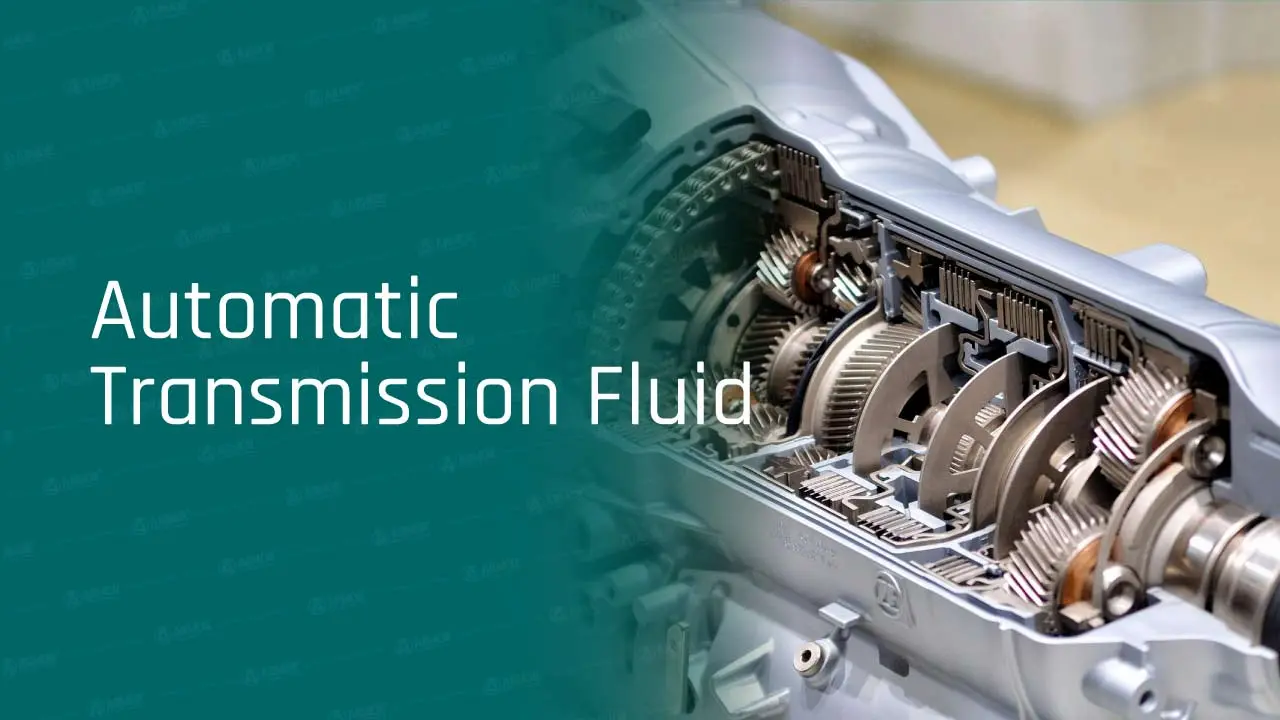
Selecting the correct automatic transmission fluid prevents catastrophic gear failure and ensures perfectly smooth operation. You must understand the distinct chemical differences between older formulas and modern synthetic variants. Operating specific equipment requires matching the exact OEM fluid spec carefully.
Using an incorrect specification causes severe clutch slippage and accelerates internal component wear drastically. The chemical properties of dexron ii differ wildly from modern low-viscosity synthetic solutions. Proper maintenance requires identifying precisely which generation of oil your specific vehicle demands.
Automotive engineers continuously refine automatic transmission technology to safely handle significantly higher engine torque output. This rapid hardware advancement forces chemical engineers to develop superior fluid specifications continuously. Every new generation of atf provides enhanced thermal stability and improved oxidation resistance.
Navigating the complex landscape of transmission fluids requires understanding the distinct chemical lineage. Older vehicles operate perfectly on conventional mineral oils developed decades ago. However, modern multi-speed gearboxes demand highly advanced synthetic formulas to actuate their complex internal hydraulic circuits securely.
General Motors released the original dexron-ii specification to improve upon early, outdated whale oil formulas. This fluid provided necessary friction modification for smooth gear engagement during that specific automotive era. Many vintage automatic transmissions that require this older standard still operate today.
While highly effective for classic cars, this older mineral-based fluid degrades quickly under extreme operational heat. The natural base oils lack the robust chemical stability consistently found in modern synthetic solutions. Operating heavy loads causes rapid breakdown and subsequent torque converter shudder.
Modern automatic transmissions generate massive internal heat requiring vastly superior thermal management solutions. Manufacturers shifted heavily toward full synthetic base oils to extend operational lifespan significantly. These advanced chemical formulas resist severe shearing and prevent dangerous varnish accumulation internally.
A premium full synthetic transmission fluid maintains consistent viscosity across extreme ambient temperature variations. This remarkable stability ensures highly reliable hydraulic pressure for precise valve body actuation. Utilizing these highly advanced fluids effectively prevents costly repairs associated with premature fluid oxidation.
Upgrading an older vehicle from dexron ii or iii to modern standards requires understanding critical backward compatibility rules. General Motors deliberately designed newer generations to supersede older performance specifications entirely. However, vintage internal seals sometimes react poorly to modern synthetic detergent packages.
Deciding the proper type of fluid dictates how the transmission manages internal heat and friction. While newer fluids offer vastly superior thermal stability, their thinner viscosity profile might cause leaks in aging hardware. Evaluating seal condition remains a critical diagnostic step.
The widely adopted dexron iii spec significantly improved upon older formulas by enhancing the friction modifier chemistry. This specific additive package provides a remarkably smooth shift feel while preventing internal clutch chatter. It offers noticeably superior performance over the aging c-4 fluid generation.
Engineers designed the much thinner dexron-vi explicitly to maximize modern global fuel efficiency standards. This ultra-thin fluid dramatically reduces parasitic drag within the highly intricate tranny gear assembly. Despite the noticeably lower viscosity, it delivers exceptional protective film strength under severe mechanical loads.
Older transmissions running dexron ii rely entirely on a much thicker fluid matrix for adequate hydraulic pressure. Pouring an ultra-thin dex 3 or vi into a vintage gearbox may cause dangerous pressure drops. Maintaining the correct viscosity rating guarantees proper mechanical engagement safely.
The advanced chemistry utilized within modern dex formulas successfully prevents fluid degradation under high mechanical stress. Exceptional thermal stability keeps the protective fluid from boiling during intense towing applications. Consistent handling lubricants and oils prevents severe, unexpected mechanical breakdowns on the highway.
Ford and General Motors historically maintained parallel but strictly distinct automatic transmission fluid specifications globally. While older vehicles sometimes accepted either generic formulation, modern gearboxes demand strict adherence to specific chemistry. Interchanging these unique fluids in modern hardware guarantees rapid mechanical failure.
These competing specifications dictate vastly different friction requirements for the internal clutch packs. What creates a perfectly smooth shift in a GM vehicle might cause dangerous slipping in a Ford product. Never assume these specialized fluids are universally interchangeable across different brands.
Ford specifically developed the mercon v specification to address persistent torque converter shudder in specific transmissions. This highly robust formulation utilizes a highly specific friction profile completely unlike traditional gm standards. It is generally not compatible with complex systems designed solely for dexron.
Using standard dexron fluid in a specialized unit requiring ford mercon v will severely alter clutch engagement timing. This dangerous mismatch creates harsh shifts and accelerates wear on delicate internal friction plates. Accurate right hydraulic fluid selection principles apply similarly to complex automatic transmissions.
Vintage Ford applications often explicitly specified type f transmission fluid for their complex hydraulic systems. Unlike dexron, this highly unique fluid contains absolutely no friction modifiers whatsoever. This intentional chemical absence allows for very firm, immediate clutch engagements during high-performance operation.
Pouring type f fluid into a modern transmission designed for dexron causes incredibly harsh, damaging shifts immediately. Conversely, using any friction-modified oil in a type f system causes highly dangerous transmission slippage. Recognizing these severe chemical differences prevents catastrophic driveline damage entirely.
Global automotive manufacturers engineer distinct proprietary fluids to perfectly match their specific transmission hardware designs. European and Asian automakers rarely recommend standard domestic fluid specifications for their complex vehicles. Utilizing the exact OEM recommendation ensures maximum reliability and proper hydraulic valve function.
Substituting generic fluids in imported vehicles often drastically alters the precisely tuned shift characteristics. The internal solenoids expect a specific viscosity profile to manage fluid flow correctly. Deviating from the strict manufacturer spec almost always results in a highly compromised driving experience.
A modern honda automatic transmission uniquely utilizes specialized clutch materials requiring highly targeted friction modifiers. Standard domestic fluids will immediately cause severe shudder and highly erratic shifting in these imported vehicles. You must utilize premium fluids specifically engineered for these exact foreign mechanical tolerances.
Similarly, toyota vehicles rely completely on specific proprietary formulas to ensure ultimate longevity and smooth operation. Meanwhile, chrysler explicitly requires specialized ATF+4 formulations specifically designed for their unique hardware architecture. Using a generic universal fluid often compromises the delicate internal hydraulic balance completely.
Modern continuously variable transmissions or cvts demand radically different fluid properties than traditional step-gear automatics. These highly specialized units rely entirely on metal belts gripping steel pulleys under extreme hydraulic pressure. Standard automatic transmission fluid will cause instantaneous, catastrophic steel belt slip internally.
Specialized CVT fluids contain highly unique traction additives that allow necessary steel-on-steel grip under load. You must never pour any standard dexron fluid into a modern sophisticated CVT system. Doing so instantly destroys the entire transmission and heavily mandates a complete, expensive mechanical replacement.
Professional technicians constantly debate the ultimate safety of mixing different types of transmission fluids during routine service. Generally, blending completely incompatible chemical formulations neutralizes critical friction modifiers and degrades overall performance. You should always perform a complete fluid flush when changing fluid specifications.
Mixing old, oxidized fluid with fresh synthetic additives limits the total effectiveness of the new oil. The depleted chemicals within the old fluid contaminate the precise new formulation immediately. Achieving optimal transmission protection strictly requires entirely replacing the total system fluid volume.
Many dedicated classic car enthusiasts wonder exactly what type of fluid best protects their aging vintage automatics. While original dexron-ii remains quite scarce, many modern multi-vehicle fluids proudly state backward compatibility. You must rigorously verify the chosen product explicitly lists the older spec before pouring.
Some delicate vintage transmission seals swell or dangerously leak when suddenly exposed to modern synthetic base oils. If your classic vehicle experiences sudden seal leakage, you might need a specialized conventional fluid immediately. Utilizing specialized best high mileage oil guide principles often helps recondition these aging mechanical seals.
Unscrupulous chemical companies often heavily market aftermarket additive bottles claiming to magically convert basic oil into specialized fluids. These cheap universal friction modifiers rarely ever duplicate the exact chemical balance of true OEM formulations. Relying on unproven aftermarket additives invites highly unpredictable shifting and accelerated internal wear.
True lubricant engineers perfectly balance the precise additive package at the massive blending facility for absolutely optimal performance. Dumping completely unverified chemicals into the transmission severely disrupts this delicate internal chemical equilibrium instantly. Professional technicians strongly recommend exclusively using the strictly correct fluid rather than cheap aftermarket modifiers.
To dramatically simplify shop inventory, brilliant lubricant manufacturers developed highly advanced multi-vehicle transmission fluids covering numerous different specifications. Premium products like valvoline maxlife utilize highly engineered chemical profiles to successfully satisfy diverse requirements simultaneously. These universal synthetic options offer incredible convenience for modern commercial fleet operations everywhere.
Creating a single fluid that safely satisfies both high-friction and low-friction requirements represents a massive chemical engineering achievement. These intelligent fluids adapt remarkably to the specific mechanical environment within the host transmission. They provide an excellent, highly protective middle ground for mixed-fleet vehicle maintenance.
A premium full synthetic multi-vehicle fluid reliably delivers truly exceptional oxidation resistance and incredible low-temperature flow characteristics. These robust formulas are specifically engineered to remain perfectly stable during severe high-temperature towing operations continually. They significantly and consistently outperform cheap conventional mineral oils in literally every measurable laboratory metric.
These highly advanced synthetic fluids successfully maintain their exact target viscosity much longer than traditional legacy products. This incredible chemical longevity ensures highly consistent hydraulic pressure delivered to the sensitive valve body over vastly extended mileage. Consistent engine oil vs hydraulic oil maintenance maximizes total heavy vehicle lifespan.
As older automatic transmissions age gracefully, internal friction materials heavily glaze over and rapidly lose their vital holding capacity. A high-quality fluid like valvoline mercon v compatible synthetic actively helps restore proper mechanical engagement safely. This precise chemical intervention effectively and immediately eliminates annoying torque converter shudder during rapid acceleration.
Addressing any noticeable shudder immediately through a comprehensive mechanical fluid exchange safely prevents catastrophic transmission hardware failure. Ignoring these obvious mechanical warning signs rapidly and permanently destroys the internal clutch packs and heavy metal bands. Highly proactive fluid maintenance remains your absolute best defense against massive, completely avoidable transmission rebuilding costs.
Routine transmission maintenance strictly requires completely extracting the severely degraded fluid from the entire hydraulic system. A simple basic pan drop only replaces a tiny fraction of the total internal fluid volume. Utilizing a dedicated professional exchange machine securely ensures entirely fresh fluid throughout the torque converter.
Neglecting routine fluid exchanges actively allows highly abrasive metal shavings to continually circulate through the delicate transmission channels. This extremely abrasive metallic slurry aggressively erodes the sensitive aluminum valve body components over time. Removing this dangerous contamination drastically reduces the likelihood of experiencing completely erratic shifting behavior.
When transmission fluid severely degrades, it entirely loses the critical ability to transfer kinetic energy efficiently. This chemical degradation predictably causes the internal torque converter to noticeably slip under heavy engine load. You will clearly notice engine RPM spiking rapidly without a proportional increase in actual vehicle speed.
This highly excessive internal slipping directly generates massive frictional heat that further aggressively destroys the remaining transmission fluid. Immediately executing thorough gearbox problems diagnosis and solutions and safely exchanging the burned fluid can sometimes miraculously reverse this dangerous condition. Continued highway operation with heavily degraded fluid absolutely guarantees complete mechanical failure.
Regularly exchanging your automatic transmission fluid dramatically extends the overall operational lifespan of the entire unit. Fresh premium fluid rapidly replenishes critical chemical friction modifiers and restores vital thermal stability limits. This incredibly simple preventative maintenance safely prevents the accumulation of highly destructive metallic wear particles.
Whether your specific vehicle requires vintage dexron-ii or a modern ultra-thin synthetic formulation, timely fluid replacement strongly matters. Never treat any transmission fluid as a permanent lifetime fill regardless of aggressive manufacturer marketing claims. Consistent, proactive fluid maintenance guarantees perfectly smooth shifting and highly reliable daily operation.
Diagnosing complex modern transmission issues frequently leads directly back to utilizing the entirely incorrect fluid specification during previous service. Many owners accidentally introduce incompatible chemicals that systematically degrade the internal clutch bonding materials. Always rigorously verify the exact required fluid standard located within the vehicle owner manual before pouring.
When a transmission inexplicably begins shifting harshly after a recent fluid exchange, suspect fluid incompatibility immediately. The sensitive internal valve body cannot adapt to fluid viscosity profiles that drastically deviate from original engineering parameters. Draining and replacing the incorrect fluid often resolves these highly frustrating drivability issues quickly.
Highly engineered European vehicles like specific modern bmw models demand highly specialized proprietary transmission fluid chemical formulations. Standard domestic atf completely lacks the specific friction modifiers explicitly required by complex European hydraulic valve bodies. Using standard dexron in these premium applications results in incredibly harsh, damaging gear shifts.
These sophisticated European transmissions exclusively utilize advanced mechatronic control units that remain incredibly sensitive to fluid viscosity changes. Maintaining the exact factory fluid specification ensures these highly delicate electronic solenoids operate flawlessly. Navigating the atf buying guide properly remains critical for ensuring maximum luxury vehicle component longevity.
Commercial trucks hauling incredibly severe cargo loads require transmission fluids engineered with incredible shear resistance properties. Under massive mechanical torque, standard fluids can rapidly shear down and lose their vital protective viscosity. Upgraded full synthetic fluids safely provide a thicker protective fluid film to prevent catastrophic gear scoring.
These specialized heavy-duty chemical formulations truly excel at managing the extreme fluid heat consistently generated during steep highway inclines. They reliably prevent the commercial transmission from suddenly entering a dangerous emergency limp mode due to severe thermal overload. Consistent thermal management ensures reliable performance when hauling massive commercial payloads.