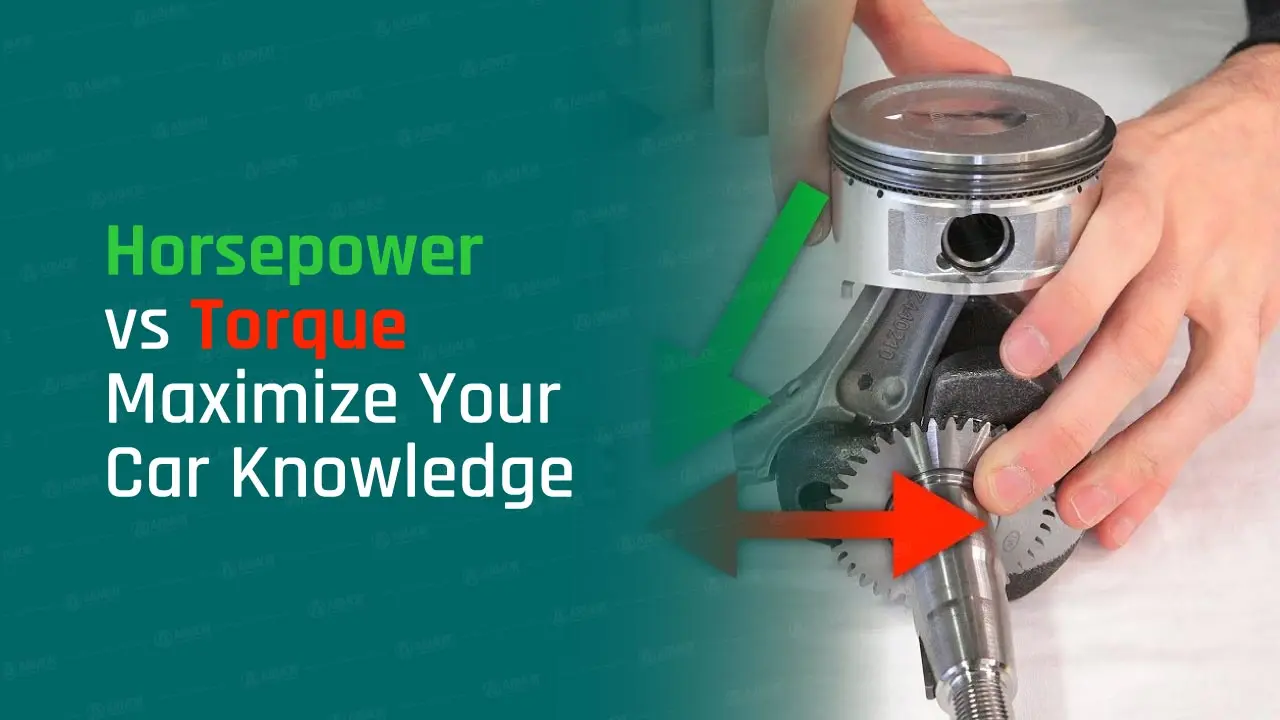
Torque is the twisting force produced by the engine. This mechanical property defines how much rotational power the engine delivers to the crankshaft. Engine performance relies heavily on this turning force to get a heavy vehicle moving from a dead stop.
When you press the accelerator, torque makes the car lurch forward. Strong torque provides that immediate, push-back-in-your-seat feeling. A vehicle’s engine and the engine’s ability to generate this twisting power directly influences initial acceleration.
Torque measures the turning force applied by the engine. Engineers evaluate this force to determine pulling power. High torque at low rpm is critical for heavy vehicles requiring massive force to overcome inertia and get moving.
Think of torque as the sheer physical force an engine can produce. Torque plays a vital role in moving mass. When discussing the relationship between torque and horsepower, torque represents the foundation of power output.
An engine produces torque when combustion forces the pistons down. This action rotates the crankshaft. The amount of torque generated depends on cylinder pressure and the mechanical advantage within the internal engine components.
Instant torque is highly desirable in modern vehicles. It allows for swift, responsive driving in city traffic. A strong torque across a wide rpm range ensures smooth and predictable power delivery in all conditions.
Torque is measured primarily in pound-feet. Sometimes you will see it listed as lb-ft of torque. This metric quantifies the twisting force applied at a specific distance from the center of rotation on the crankshaft.
Dynamometers calculate the torque produced at various engine speeds. These measurements help plot horsepower and torque curves. Engineers use these graphs to optimize the balance of torque and horsepower for specific driving applications.
Knowing the peak torque helps mechanics tune the car’s performance. Midrange torque is often where daily driving occurs. Therefore, maintaining consistent pound-feet of torque throughout the rpm range is highly beneficial for everyday drivability.
Horsepower measures the rate at which work is done. It quantifies how fast the engine can apply its twisting power. While torque gets the car moving, horsepower determines a vehicle’s top speed and sustained acceleration.
The power of an engine dictates its ability to perform work over time. High horsepower becomes critical when you need to maintain high speeds on a highway. It represents the overall power output of the engine.
James Watt coined the term to compare steam engines to draft horses. One horsepower represents the ability to lift 33,000 pounds by one foot in one minute. This historical metric remains the standard for engine power today.
Horsepower output depends entirely on the engine rpm. As engine speed increases, the frequency of power strokes increases. This rapid repetition of force results in a higher overall horsepower rating as the vehicle accelerates.
Horsepower takes over when aerodynamic drag increases. Overcoming wind resistance at highway speeds requires substantial power. This is where horsepower plays its most crucial role in vehicle dynamics and sustained forward momentum.
Engineers use a specific formula to determine horsepower. It is calculated using the formula involving torque × rpm divided by 5,252. This mathematical relationship shows exactly how torque and speed intersect to create power.
At exactly 5,252 rpm, horsepower equals torque. Below this engine speed, torque is higher. Above this threshold, horsepower becomes the dominant figure on the performance graph, pushing the vehicle to its absolute limits.
This calculation clarifies the difference between horsepower and torque. It highlights why high rpm engines favor horsepower, while low rpm engines favor torque. Both metrics are indispensable for evaluating total engine performance.
Why do cars sport two different power measurements? It is because they represent distinct aspects of engine performance. Torque measures the rotational force produced by an engine. This twisting effect moves your vehicle from a standstill with immediate authority.
Measured in pound-feet or Newton-meters, torque acts as the foundational force of acceleration.
Torque: the invisible hand that presses you into your seat when you hit the gas pedal. Horsepower, nonetheless, calculates how quickly work gets done, derived from the formula:
Horsepower = (Torque × RPM) ÷ 5252.
The measurement reveals the engine's sustained power output at elevated speeds. A standard torque curve shows how force varies across different RPM ranges. Horsepower typically peaks at much higher revolutions, keeping the vehicle moving exceptionally fast.
Both metrics matter equally for balanced performance. Torque successfully launches you forward, while horsepower confidently keeps you moving fast. Premium ISO hydraulic oil protects complex machinery, just as balanced power metrics ensure vehicle endurance.
The difference between horsepower and torque lies in their direct application. Torque is the raw twisting force. Horsepower is how quickly that force is delivered. Together, they perfectly define total engine performance.
Torque gets you moving, and horsepower keeps you moving. You feel torque when launching from a traffic light. You rely on horsepower when passing another vehicle on a fast highway or straightaway.
Strong initial acceleration requires massive twisting power. Low torque results in sluggish starts. High torque ensures the vehicle leaves the line quickly and efficiently, regardless of its total curb weight.
Conversely, horsepower makes a vehicle fast over a distance. Maximum horsepower dictates the absolute top speed the vehicle can achieve. A sports car relies on high horsepower to reach extreme velocities on a track.
When evaluating torque vs horsepower, always consider the intended use. Towing requires high pulling power from torque. Racing requires high horsepower for maximum velocity and sustained high-speed driving dynamics.
Torque at low rpm provides excellent drivability. It allows the car engine to cruise smoothly without constantly downshifting. Midrange torque is the absolute sweet spot for everyday commuting and maximizing fuel efficiency.
Horsepower thrives at high rpm. To generate more torque at high speeds, the engine must spin faster. This rapid rotation maximizes the work done in a given timeframe, resulting in greater power output.
The key differences between horsepower and torque dictate automotive gearing. Transmissions are designed to keep the engine in its optimal powerband. This ensures the balance of torque and horsepower is always instantly accessible.
Horsepower directly influences a vehicle's top speed capabilities. Higher ratings enable greater maximum velocities on open roads. Performance vehicles like the Dodge Challenger Hellcat demonstrate how raw power output determines high-speed capability.
This force determines how effectively a vehicle maintains high speeds. It must actively overcome severe aerodynamic air resistance at velocity. High horsepower proves vital for competitive highway performance and specialized track racing applications.
Distinguishing between acceleration and top speed reveals the critical role of horsepower. Initial acceleration depends heavily on available torque. Maximum power determines how quickly a vehicle continues gaining speed once already in rapid motion.
A vehicle's engine generates increasing horsepower as engine RPM rises. This dynamic enables sustained acceleration at much higher speeds. At these elevated velocities, raw torque alone becomes entirely insufficient for forward progress against wind resistance.
High-horsepower vehicles consistently excel in highway passing scenarios. They also dominate high-speed racing environments rather than just off-the-line starts. Acceleration dynamics confirm that horsepower ultimately governs absolute top speed potential against heavy aerodynamic drag.
The absolute upper limits of a vehicle's performance capabilities connect directly to horsepower. While torque determines initial launch, horsepower dictates maximum velocity. A high-performance engine seamlessly translates massive horsepower into speeds exceeding 200 mph.
Horsepower ratings reveal performance potential at peak engine RPM. Sustained power delivery becomes absolutely essential at these limits. High-speed performance relies heavily on the engine's ability to maintain optimal power output at elevated speeds.
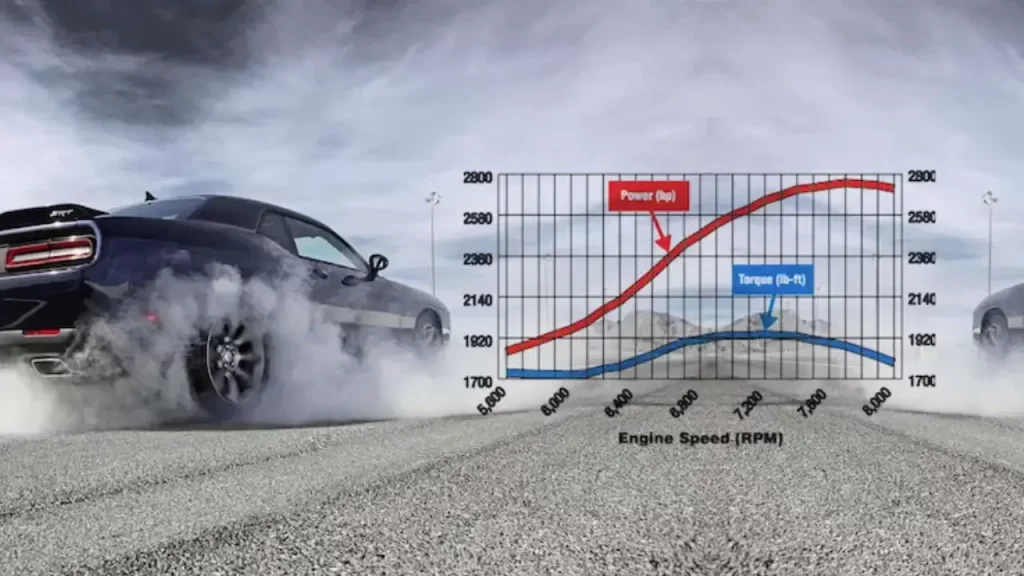
A vehicle's performance extends well beyond raw power numbers. The critical relationship between overall weight and horsepower determines real-world performance. This fundamental principle creates the vital power-to-weight ratio metric used by top automotive engineers.
When an engine produces high horsepower in a lightweight chassis, acceleration improves dramatically. These vehicles can accelerate quickly and easily maintain higher speeds. Performance cars capitalize by maximizing horsepower and strictly minimizing heavy curb weight.
This specific metric explains why a 300-horsepower sports car easily outperforms heavier SUVs. For driving enthusiasts seeking ultimate performance, the balance must remain optimized. Reliable DOT 4 brake fluid ensures they can stop safely from high speeds.
Why does torque receive so much critical attention? Torque represents the immediate rotational force delivering the vital initial push. This twisting power is absolutely necessary to successfully set a heavy vehicle in motion.
With high torque available at low RPM, vehicles accelerate highly responsively. They handle remarkably heavy loads from a dead stop with absolute confidence. This capability remains essential for trucks and heavy-duty utility vehicles.
Peak torque output directly influences a vehicle's maximum towing capabilities. Strong torque figures remain essential for drivers hauling heavy boats or large trailers. Superior lubrication from premium diesel engine oil enhances this pulling performance.
The mathematical relationship is expressed through a precise standard formula. Horsepower equals torque multiplied by rotational speed, divided by 5,252. This equation reveals that horsepower is fundamentally based entirely on torque output.
Performance numbers clearly demonstrate how engine speed increases power output. Even with constant torque, higher RPM proportionally increases total horsepower. This explains why high-revving engines achieve highly impressive maximum horsepower figures.
Evaluating engine metrics requires exploring their fundamental mathematical connection. The standard horsepower equation precisely expresses this quantitative relationship. It reveals exactly how power calculation depends heavily on both rotational force and rotational speed.
At constant torque, increasing RPM creates proportional gains in total horsepower. This formula explains why peak torque and peak horsepower occur at different engine speeds. Torque measures raw twisting force, while horsepower measures speed of delivery.
Calculating performance numbers highlights the intricate mathematical relationship. It tightly binds horsepower and torque together as interrelated yet highly distinct measurements. Engineers use this formula to thoroughly evaluate dynamic power delivery systems.
These essential calculations help optimize overall vehicle performance characteristics. Modifying one variable directly impacts the resulting power output curve. Precision tuning maximizes the engine's total functional capability across all driving speeds.
Engine displacement is often measured in cubic centimeters. A larger engine naturally ingests more air and fuel. This increased volume directly translates to higher torque and horsepower potential across the board.
Engine displacement dictates the baseline potential of an engine. More volume means stronger combustion events. This physical reality makes it easier to produce more torque without relying on forced induction components.
A massive truck engine relies on large displacement. This setup guarantees immense pulling power at very low engine speeds. The physical size of the pistons generates significant twisting force to move heavy payloads.
Smaller engines must spin faster to match this total output. They rely on higher rpm to build horsepower. While they may lack instant torque, they can achieve high horsepower through rapid and sustained rotation.
Increasing engine displacement is a proven way to generate more torque. A larger combustion chamber creates a stronger downward push on the piston. This results in an immediate increase in torque output for the vehicle.
Engineers also use turbochargers to simulate larger displacement. By forcing more air into the engine, they increase cylinder pressure. This modification drastically improves the torque produced by a much smaller car engine.
When comparing gas engines to modern electric motors, fundamental differences emerge. These specific variations particularly impact overall vehicle performance and acceleration response. Each distinct platform uses a completely different method for delivering raw mechanical power.
Gas engines build torque very gradually. They require high RPM to reach their absolute maximum power potential. Peak torque typically arrives securely within the mid-range engine speeds, requiring frequent transmission gear changes for optimal performance.
Electric motors deliver instant torque directly from zero RPM. This system creates remarkable linear acceleration without waiting for engine speeds to climb. Their power delivery remains consistently available, eliminating traditional transmission shifting delays entirely.
The specific torque curve in electric vehicles is practically flat. It reaches absolute maximum output immediately upon pedal depression. This instant power delivery translates to incredibly quick off-the-line acceleration response times.
Deciding whether torque or horsepower is better depends entirely on the application. There is no single correct answer. The ideal configuration relies heavily on the vehicle's weight and its primary intended purpose.
Heavy vehicles desperately need torque. A complete lack of twisting power makes towing impossible. Lightweight vehicles benefit significantly more from high horsepower to achieve rapid acceleration and impressive high top speeds.
The relationship between torque and horsepower requires precision balance. An engine with massive torque but zero horsepower would be incredibly strong but extremely slow. Both metrics must work in perfect harmony.
An engine delivers optimal performance when both curves are wide and flat. Strong torque across the entire rev range ensures consistent acceleration. High horsepower at the top end guarantees sustained speed and passing ability.
Is torque or horsepower better for your driving style? If you frequently tow trailers, prioritize torque. The pulling power will make highway merging safe, highly efficient, and effortless even under heavy loads.
If you enjoy track days and high-speed driving, seek high horsepower. A sports car requires rapid power delivery at high rpm. This setup provides the thrilling top-end performance enthusiasts demand on open roads.
Proper maintenance using quality vehicle engine oil ensures this mechanical balance remains perfectly intact over time.
The age-old automotive debate between high torque and high horsepower continues endlessly. The definitive answer ultimately depends on the specific intended daily use. High torque provides immediate pulling power at significantly lower engine RPMs.
This pulling force remains crucial for towing massive loads efficiently. The exact amount of torque available heavily determines off-the-line acceleration speed. High horsepower actively measures a vehicle's ability to seamlessly maintain extreme speeds.
Modern engineering increasingly focuses on successfully achieving both performance metrics. Automakers strive for peak torque at low RPM and substantial horsepower at high RPM. This delicate balance creates highly versatile vehicles that excel everywhere.
Selecting the appropriate power profile depends critically on intended vehicle purpose. The specific distinction between horsepower and torque dictates acceleration characteristics. Choosing correctly ensures the vehicle performs optimally under expected driving conditions.
Higher torque at low engine speeds separates great utility vehicles from poor ones. Massive horsepower separates dedicated track cars from basic daily commuters. Matching the power profile to your primary tasks guarantees long-term satisfaction.
Engine architecture fundamentally alters power delivery. An inline-four behaves quite differently than a large V8. The physical layout dictates where the engine produces its peak power and how it feels to the actual driver.
Stroke length plays a crucial role in dynamics. A long-stroke engine produces more torque due to increased mechanical advantage on the crankshaft. A short-stroke engine revs higher, naturally producing more horsepower at the limit.
A typical truck engine uses a long stroke and large displacement. This design maximizes twisting power at very low rpm. It is engineered specifically for heavy loads, relentless pulling, and long-term durability.
These engines sacrifice high rpm capabilities for low-end strength. They do not need to spin fast; they simply need to pull hard. Using the best diesel oil is highly vital for protecting these high-stress components.
A sports car engine frequently uses a short stroke. This allows the internal components to move incredibly fast. High rpm operation is the primary key to unlocking maximum horsepower for track-focused driving.
These engines might feel slightly weak at low engine speeds. However, once the revs climb, the horsepower output surges dramatically. This characteristic perfectly defines the exhilarating acceleration of high-performance vehicles.
These high-revving platforms require specialized protection. Using high-performance synthetic lubricants ensures the moving parts survive the extreme friction of high-rpm operation.
The term horsepower is very often misunderstood by drivers. Having 300 horsepower does not literally equal the pulling power of 300 living horses. It is simply a standardized mathematical measurement of work capacity over time.
James Watt established the baseline of one horsepower to aggressively market his steam engines. He carefully calculated the sustained work output of a strong draft horse over an extended period in a coal mine.
It is an average metric, not a peak measurement. A real, living horse can actually produce up to 15 horsepower in very short, intense bursts.
Therefore, a 300-horsepower engine equates roughly to the sustained, continuous work of 300 horses working endlessly without any fatigue. It measures endurance and sustained force.
Determining vehicle speed based solely on horsepower is highly complex. The horsepower and torque affect speed, but they are absolutely not the only factors. Aerodynamics, gearing ratios, and overall weight play massive roles.
In a very lightweight vehicle like a go-kart, 20 horsepower can push it well past 50 mph. The minimal mass allows the engine power to easily overcome both physical inertia and aerodynamic air resistance.
In a heavy passenger car, 20 horsepower would barely achieve safe highway speeds. The engine and the engine’s ability to move mass would be severely strained.
This stark contrast illustrates precisely why horsepower vs torque discussions must always include vehicle weight and aerodynamics.
Engine performance naturally degrades over time without proper care. Internal friction and mechanical component wear actively reduce both torque and horsepower. Maintaining peak performance requires diligent upkeep and high-quality synthetic fluids.
A poorly maintained engine will eventually lose cylinder compression. This directly reduces the amount of torque produced during combustion. Keeping the internal components clean and well-lubricated is entirely non-negotiable for sustained power output.
Regular servicing prevents disastrous power loss. Changing air filters ensures the engine breathes easily, maintaining maximum horsepower output. Checking spark plugs guarantees highly efficient combustion, preserving torque at low engine speeds.
Ignoring basic maintenance leads to severe mechanical problems. Internal overheating can permanently warp components, instantly destroying the precise balance of torque and horsepower.
You can read more about common engine failure causes to properly protect your automotive investment.
Friction is the ultimate enemy of horsepower and torque. High-quality engine oil actively minimizes friction between moving metal parts. This fluid dynamic allows the engine to rev freely and generate maximum power.
Using the correct viscosity ensures the oil flows properly at all operating temperatures. This protects critical bearing components when generating high torque under very heavy loads.
Choosing the best engine oil in UAE or matching your local climate is absolutely critical for performance. Synthetic oils offer heavily superior thermal protection.
They easily maintain their protective fluid film under extreme cylinder pressure and high rpm. Explore how engine oil works to completely grasp its massive impact on total power output.
Knowing these vital power metrics enables significantly better vehicle selection. Proper maintenance remains essential for actively maximizing engine lifespan and total power output. Regular fluid changes directly reduce internal friction and critically minimize costly component wear.
Quality lubricants guarantee peak performance for both heavy towing and track racing applications. Maintaining fluid health perfectly preserves your vehicle's horsepower and torque capabilities. Superior fluids protect the mechanical components generating this impressive twisting force.