.webp)
Operating outdoor power equipment requires strict attention to lubrication specifications to ensure reliability. Small engines run significantly hotter than liquid-cooled automotive engines. This thermal difference necessitates specialized additives and viscosity profiles to prevent premature component failure.
Most operators overlook the critical distinction between water-cooled and air-cooled internal combustion cycles. An air-cooled engine relies solely on airflow and oil circulation to dissipate heat. Consequently, the lubricant acts as a primary cooling agent.
Using improper fluid leads to increased friction, overheating, and rapid sludge formation. Selecting the correct oil involves analyzing viscosity grades, additive packages, and synthetic versus mineral base stocks. This guide dissects the technical requirements for optimal small engine maintenance.
Small engines operate under severe conditions compared to passenger vehicles. The absence of a radiator and coolant channels means cylinder temperatures spike rapidly under load. Oil must maintain film strength at temperatures often exceeding 250 degrees Fahrenheit.
Thermal breakdown occurs when oil molecules shear and separate due to excessive heat. Once this breakdown begins, the oil loses its ability to separate metal components. This leads to scoring on cylinder walls and piston rings.
Air-cooled engines also consume more oil by design. Higher operating temperatures cause lighter molecular fractions of the oil to vaporize. This volatility requires an oil formulation with a low evaporation rate to maintain proper crankcase levels.
Many owners ask can you use car motor oil in lawn mower engines without consequences. The answer generally leans toward caution due to modern automotive emission standards. Modern car oils have reduced anti-wear additives to protect catalytic converters.
Standard automotive 5W-30 or 10W-30 often lacks the necessary zinc and phosphorus levels. These elements, known as ZDDP, provide a sacrificial layer on metal parts. Without them, cam lobes in small engines suffer accelerated wear.
Energy-conserving oils intended for cars create a distinct problem for power equipment. These lubricants contain friction modifiers that can cause clutch slippage in wet-clutch systems. They may also be too thin to protect against the high-shear environment of a small governor system.
Small engines typically utilize flat-tappet camshafts rather than the roller cams found in modern automobiles. Flat-tappet designs involve high pressure and sliding friction. Zinc dialkyldithiophosphate is the primary defense against this specific type of metal-on-metal contact.
Specialized small motor oil formulations retain higher concentrations of ZDDP. This additive activates under heat and pressure to coat engine internals. It effectively glazes the metal to prevent galling during heavy operation.
Reviewing the API service rating helps identify zinc levels. Older ratings like SJ or SL suggest higher zinc content suitable for older equipment. Newer ratings like SN or SP have reduced these levels, often making them less effective for heavy-duty small engine applications.
Viscosity refers to the fluid's resistance to flow. Selecting the right grade depends entirely on the ambient air temperature during operation. The goal is to ensure the oil flows instantly at startup but remains thick enough to protect under load.
Using oil that is too thick in cold weather prevents proper splash lubrication. Conversely, oil that is too thin in summer heat will fail to keep piston rings sealed. This results in compression loss and increased blow-by.
Manufacturers provide charts detailing the operating range for specific weights. Adhering to these ranges is critical for warranty compliance. Ignoring temperature guidelines is the leading cause of seasonal engine seizure.
SAE 30 remains the standard recommendation for most warm-weather applications. It is strictly a summer weight oil suited for temperatures above 40 degrees Fahrenheit. Its uniform molecular structure resists thinning in extreme heat.
Mowers and garden tractors operating in peak summer heat benefit most from SAE 30. It exhibits lower oil consumption rates compared to multi-viscosity alternatives. The consistent film strength handles continuous high-RPM usage effectively.
However, SAE 30 becomes sluggish as temperatures drop. Attempting to start a snow blower with straight 30 weight oil can damage the starter motor or plastic flywheel gears. It turns to a gel-like substance that fails to lubricate the crankshaft journal.
Small engine 10W30 oil offers a broader operating window. It behaves like a 10-weight oil at startup and a 30-weight oil at operating temperature. This versatility makes it ideal for variable climates where temperatures fluctuate between 0 and 100 degrees Fahrenheit.
Improvements in additive technology have made 10W-30 more stable than in previous decades. It causes slightly higher consumption than SAE 30 but provides better protection during warm-up. It serves as a solid all-purpose choice for generators and pressure washers.
Users looking for the best small engine motor oil for year-round use often settle on this grade. It bridges the gap between summer mowing and late-autumn leaf cleanup. Always check the dipstick frequently when switching from SAE 30 to 10W-30.
Equipment used in winter requires 5W30 small engine oil. Snow blowers and winter generators need a fluid that remains pumpable at sub-zero temperatures. 5W-30 flows quickly to critical bearings even when the engine block is frozen.
Cold starts are responsible for the majority of engine wear. If the oil is too thick, the engine runs dry for several seconds. 5W-30 minimizes this dry-running period, extending the lifespan of the piston and cylinder.
While excellent for winter, conventional 5W-30 can thin out dangerously if used in scorching summer heat. It is vital to drain this winter oil before transitioning equipment back to summer duties unless it is a high-quality synthetic.
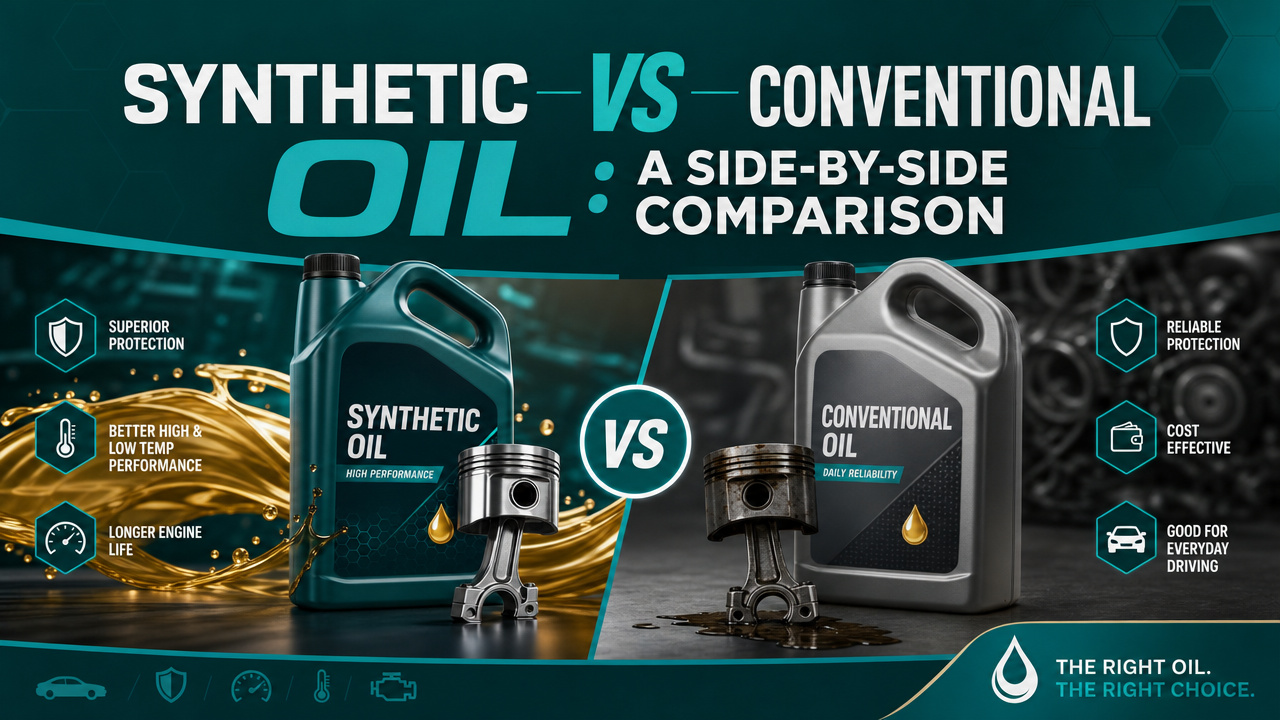
The debate between synthetic and conventional mineral oil centers on molecular uniformity. Mineral oil is refined from crude oil and contains improved impurities. Synthetic oil is chemically engineered to create uniform molecules that resist thermal breakdown.
Synthetic oils offer superior shear stability. They maintain their viscosity grade longer under heavy loads. This consistency is valuable for commercial equipment that operates for eight to ten hours daily without rest.
While synthetics cost more upfront, they reduce deposits and prolong drain intervals. For homeowners who may neglect maintenance, synthetic oil provides a larger margin of safety against sludge buildup.
Oxidation causes oil to thicken and turn into sludge. Synthetic oils possess inherent antioxidant properties. They withstand the 300-degree cylinder head temperatures of air-cooled engines without degrading into varnish.
Varnish deposits can stick piston rings, leading to compression loss. Once rings stick, the engine burns significant amounts of oil. Synthetics keep rings free-moving, ensuring consistent compression and power output over years of service.
This resistance to oxidation makes synthetic the preferred choice for generators. Generators often run at constant high RPMs for days during outages. Mineral oils would require changing every 24 to 48 hours under such stress.
Synthetic small motor oil flows better at both ends of the temperature spectrum. It does not wax up in the cold or vaporize in the heat. This dual capability allows for the use of multi-viscosity synthetics like 5W-30 in a wider range of temperatures.
Many manufacturers now approve synthetic 5W-30 for all-temperature use. This simplifies inventory for owners of multiple machines. It eliminates the need to shelf different oils for summer and winter equipment.
Using synthetic oil also results in cooler engine running temperatures. The uniform molecules reduce internal fluid friction. Lower friction correlates directly to reduced heat generation within the crankcase.
Every engine brand engineers their equipment with specific tolerances. These tolerances dictate the required oil film thickness. Ignoring original equipment manufacturer (OEM) guidelines often voids warranties and compromises performance.
Owners often ask is small engine oil the same as car oil regarding certifications. While some overlap exists, OEM manuals specify the precise API service limit. They may explicitly forbid certain energy-conserving grades.
Consulting the manual is the first step in maintenance. It provides the exact capacity and viscosity chart. This documentation overrides general advice found on forums or generic maintenance guides.
Selecting oil for Honda small engine models requires attention to detergent levels. Honda engines generally prefer high-detergent oils compliant with API service category SJ or later. 10W-30 is the standard recommendation for general use.
Honda emphasizes the prevention of varnish deposits in the carburetor and crankcase. Their engines are manufactured to tight tolerances. Clean oil is essential to keep the hydraulic lifters (where applicable) and governor systems functioning smoothly.
For commercial GX series engines, Honda permits specific synthetic blends. These allow for extended operation in diverse climates. Always verify if the specific model requires a break-in period with mineral oil before switching to synthetic.
Briggs and Stratton has moved aggressively toward synthetic recommendations. They now market a specific synthetic 5W-30 meant to replace all other grades. They claim this formula prevents the high oil consumption usually associated with multi-weights in hot weather.
Their warranty documentation is strict regarding the use of certified oils. Using unrated generic oil can lead to claim denial. Their branded oil contains specific additives to address the splash lubrication design of their aggressive cam profiles.
For older Briggs engines, SAE 30 remains the safe, conservative choice. However, for newer EXi series engines that claim to never need an oil change, high-quality synthetic is mandatory to sustain the add-on-top maintenance schedule.
The market is flooded with inexpensive motor oil options. It is tempting to save money on consumables for a cheap lawn mower. However, the cost difference between premium and budget oil is negligible compared to repair costs.
Cheap oils often utilize lower quality base stocks that shear quickly. They may claim to meet API specs but sit at the very bottom of the allowable performance threshold. They lack the robust additive packages found in brand-name lubricants.
Engine failure usually necessitates a total replacement. A saved massive cost of $3 on oil can result in a $400 replacement engine. Viewed from a total cost of ownership perspective, premium oil is cheap insurance.
It is possible to find the best small engine motor oil without paying premium dealer prices. Look for generic oils that display the correct API donut seal. Ensure the service rating matches the engine manual requirements.
Heavy-duty diesel oils, such as 15W-40, are a secret weapon for budget-conscious owners. They generally possess high zinc levels and robust detergent packages. They are excellent for summer use in older, worn engines.
Avoid oils that have no API certification mark. These "non-detergent" or general-purpose oils are often meant for compressors or hydraulic jacks which have no combustion byproducts. Putting these in a combustion engine guarantees sludge formation.
Pushing oil changes beyond the recommended hours is a financial risk. Power equipment lacks oil filters (in most residential models). Contaminants circulate continuously, acting as a grinding compound on bearings.
Fresh inexpensive motor oil changed frequently is better than premium synthetic oil left in too long. The primary goal is removing suspended particulates. No additive package can neutralize an excessive volume of metal shavings and carbon.
Stick to the 25 or 50-hour change interval. For most homeowners, this equates to once per season. This simple discipline virtually eliminates oil-related mechanical failures.
Selecting the right fluid is only half the equation. Correct application and checking procedures ensure the oil performs as intended. Overfilling and underfilling are largely responsible for performance issues.
Overfilling causes the crankshaft to whip the oil into a foam (aeration). Foamy oil contains air bubbles that cannot support loads or dissipate heat. This leads to hydraulic lock or blown seals due to crankcase pressure.
Underfilling allows the oil temperature to skyrocket as there is less thermal mass to absorb heat. It also risks the splash dipper missing the oil reservoir on slopes. This leads to intermittent lubrication and catastrophic seizure.
Inspect oil color before every start. While dark oil indicates it is trapping carbon, gritty or milky oil signals immediate problems. Milky oil indicates moisture contamination, likely from condensation or outdoor storage.
Smell the dipstick during checks. A strong scent of gasoline indicates the carburetor float is stuck, diluting the crankcase oil. Gas-diluted oil has zero film strength and will destroy the engine rapidly.
Verify the viscosity visually. If the oil drips off the dipstick like water, it has sheared down or is diluted. It should have a distinct syrup-like consistency even when warm.
Used oil becomes acidic over time due to combustion byproducts. Storing an engine over winter with old oil allows corrosion to attack bearings and cylinder walls. The acid etches the soft metal of the bearing surfaces.
Perform an oil change as the final step of the season. Run the engine to warm it up, drain the contaminants, and refill with fresh fluid. This coats the internals with clean corrosions inhibitors for the dormancy period.
If utilizing a snow blower, change the break-in oil after the first 5 hours. Manufacturing glitter and shavings are highest during this period. removing them early is vital for the machine's long-term health.