Vehicle maintenance has evolved beyond simple oil changes and tire rotations. Modern fleet managers, mechanics, and owner-operators rely on structured strategies to extend equipment life, reduce downtime, and optimize fuel economy. The right approach depends on usage patterns, equipment type, and operational budget.
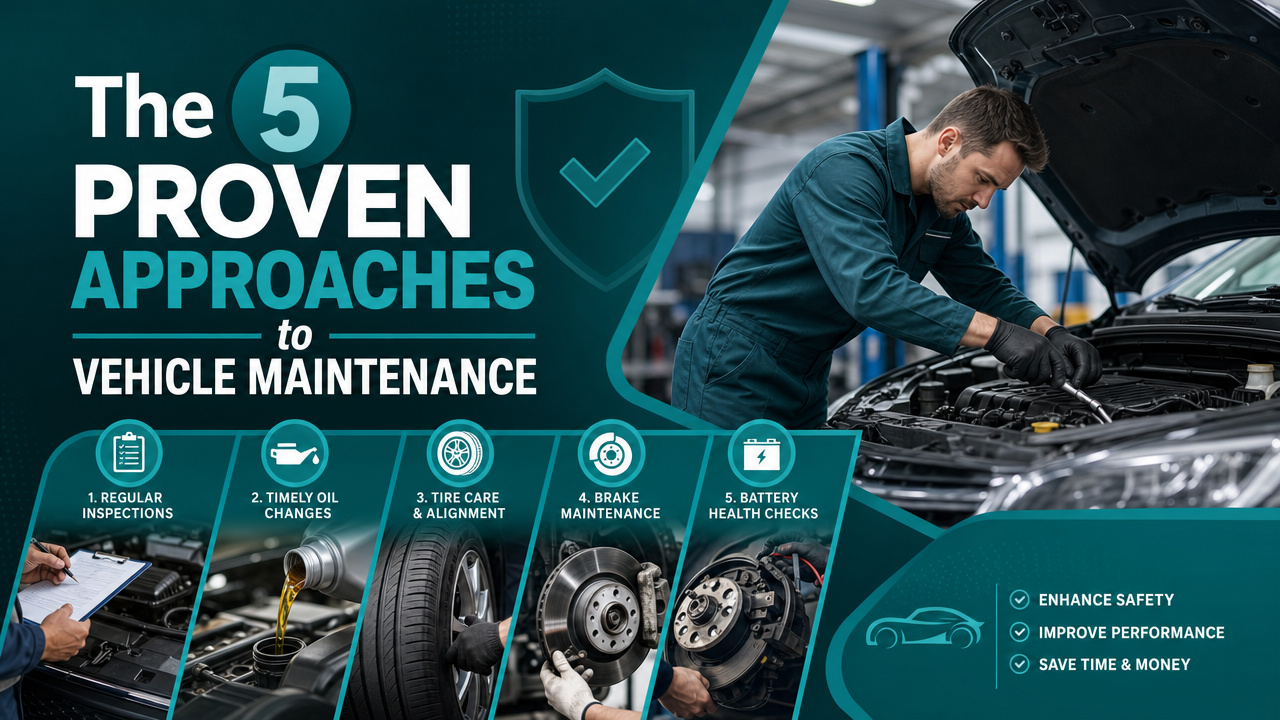
Whether you operate heavy machinery, commercial fleets, or small engines, applying the correct maintenance philosophy ensures your splash-lubricated equipment and pressure-fed systems perform reliably. Below are the five proven approaches that dominate today's automotive and industrial service landscape.
Reactive maintenance, often called run-to-failure, means repairing components only after they break down. This approach demands no scheduling and minimal upfront investment, making it tempting for small operators with limited budgets.
However, the hidden costs accumulate quickly. Unexpected breakdowns trigger expensive emergency repairs, secondary component damage, and unplanned downtime. A seized engine from neglected lubrication often costs five times more than routine oil service.
This strategy works only for non-critical, low-cost assets where replacement is cheaper than maintenance planning. For commercial vehicles, it's a financial gamble that rarely pays off.
Preventive maintenance follows manufacturer-recommended intervals based on mileage, hours, or calendar time. Fluid replacements, filter changes, belt inspections, and lubricant top-offs occur on a fixed schedule regardless of actual component wear.
Key preventive tasks include:
This approach reduces unexpected failures by approximately 60% compared to reactive servicing. Fleet operators favor it because costs remain predictable and parts inventories stay manageable.
Predictive maintenance uses real-time data from sensors, oil analysis, and vibration monitoring to forecast component failure before it happens. Telematics platforms track engine temperature, oil viscosity degradation, and bearing health continuously.
Oil analysis labs measure metal particulate content, indicating internal wear long before symptoms surface. A spike in iron particles signals camshaft or cylinder wall wear, allowing intervention before catastrophic failure.
This method requires investment in diagnostic tools and trained personnel but delivers the lowest total cost of ownership for high-value assets like long-haul trucks and construction equipment.
Condition-based maintenance triggers service only when measurable indicators cross defined thresholds. Unlike predictive methods that forecast failure, this approach responds to current equipment state through direct observation and instrumentation.
Common condition indicators include oil pressure drops, fuel efficiency decline, exhaust temperature shifts, and unusual noise patterns. Mechanics inspect components only when these markers warrant attention, eliminating unnecessary service work.
This strategy maximizes component lifespan while avoiding the waste of premature replacements. It works exceptionally well for splash-lubricated small engines where oil quality directly determines service timing.
Reliability-centered maintenance (RCM) combines all previous approaches into a customized framework for each asset class. Engineers analyze failure modes, operational consequences, and economic impact to determine the optimal strategy per component.
A truck's brake system might receive preventive servicing, while its engine relies on predictive oil analysis, and non-critical interior components run reactively. This hybrid model delivers maximum efficiency for mixed fleets and industrial operations.
RCM requires detailed documentation and ongoing analysis but produces measurable returns through reduced parts spending, longer asset life, and minimized downtime.
Regardless of which maintenance philosophy you adopt, lubrication management remains the foundation. Quality engine oil, gear oil, and hydraulic fluids protect against friction, wear, oxidation, and thermal breakdown across all operating conditions.
Selecting the correct viscosity grade and additive package directly affects component longevity. Armor Lubricants formulations are engineered to meet API, ACEA, and OEM specifications across passenger cars, commercial vehicles, and industrial machinery.
Splash lubrication systems dominate small engines like lawn mowers, generators, pumps, and compact off-road equipment. A dipper or splasher attached to the connecting rod throws oil onto cylinder walls, bearings, and camshaft surfaces during each rotation.
To keep your small engine's oil splasher working efficiently:
Learning how to maximize longevity and performance in splash-lubricated equipment comes down to clean oil, correct level, and proper viscosity. These three factors prevent 90% of premature small engine failures.
Maintain the correct oil level, use OEM-specified viscosity, and change oil at recommended intervals. The splasher relies on consistent oil volume in the crankcase to fling lubricant onto moving parts. Low oil levels prevent contact, while overfilling causes foaming that reduces lubrication effectiveness.
Inspect the dipper during oil changes for wear, debris, or deformation. A damaged splasher distributes oil unevenly, starving critical surfaces like cam lobes and rod bearings. Replace it if visible damage exists.
Use high-quality detergent oil matched to your engine's specification and operating temperature range. Premium lubricants resist thermal breakdown, contain wear-protection additives, and maintain viscosity stability through extended operating cycles.
Store equipment with fresh oil during off-season periods to prevent corrosion. Acidic byproducts in used oil attack bearing surfaces and cylinder walls when machines sit idle. A pre-storage oil change costs little but extends engine life significantly.
Most small engine manufacturers recommend oil changes every 25 to 50 hours of operation, or annually for residential equipment. Commercial applications with heavy dust exposure or continuous duty cycles require more frequent service, sometimes every 10 to 15 hours.
Check the oil before each use. Dark, gritty, or thinned oil signals immediate replacement regardless of hours accumulated.
Yes, provided the new oil meets the same API service classification and viscosity grade. Modern lubricants are formulated for compatibility, so switching between reputable brands like Armor Lubricants poses no risk when specifications match.
Drain the old oil completely before refilling to avoid mixing additive packages that may interact unpredictably under heat and pressure.
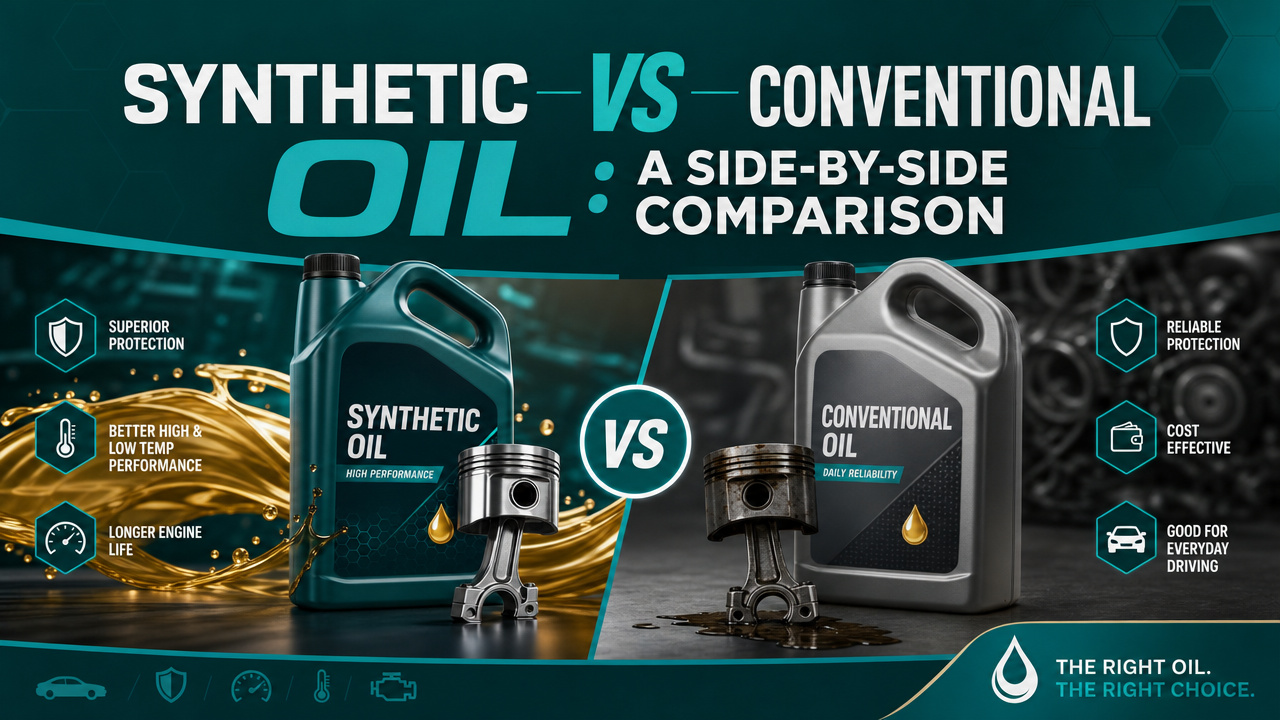
Yes. Predictive and condition-based approaches benefit from premium synthetic oils that support extended drain intervals and detailed oil analysis. Preventive strategies work well with quality mineral or semi-synthetic formulations changed at fixed intervals.
Match your lubricant grade and chemistry to both the equipment specification and your maintenance philosophy for optimal results.
Small operators with limited budgets often combine preventive maintenance for routine items with reactive handling of minor components. Mid-sized fleets benefit most from condition-based approaches supported by telematics and periodic oil analysis.
Large commercial operations and industrial facilities achieve the best returns through reliability-centered programs that customize strategy by asset criticality. Whatever path you select, premium lubricants from Armor Lubricants deliver the protection your equipment demands across every maintenance framework.