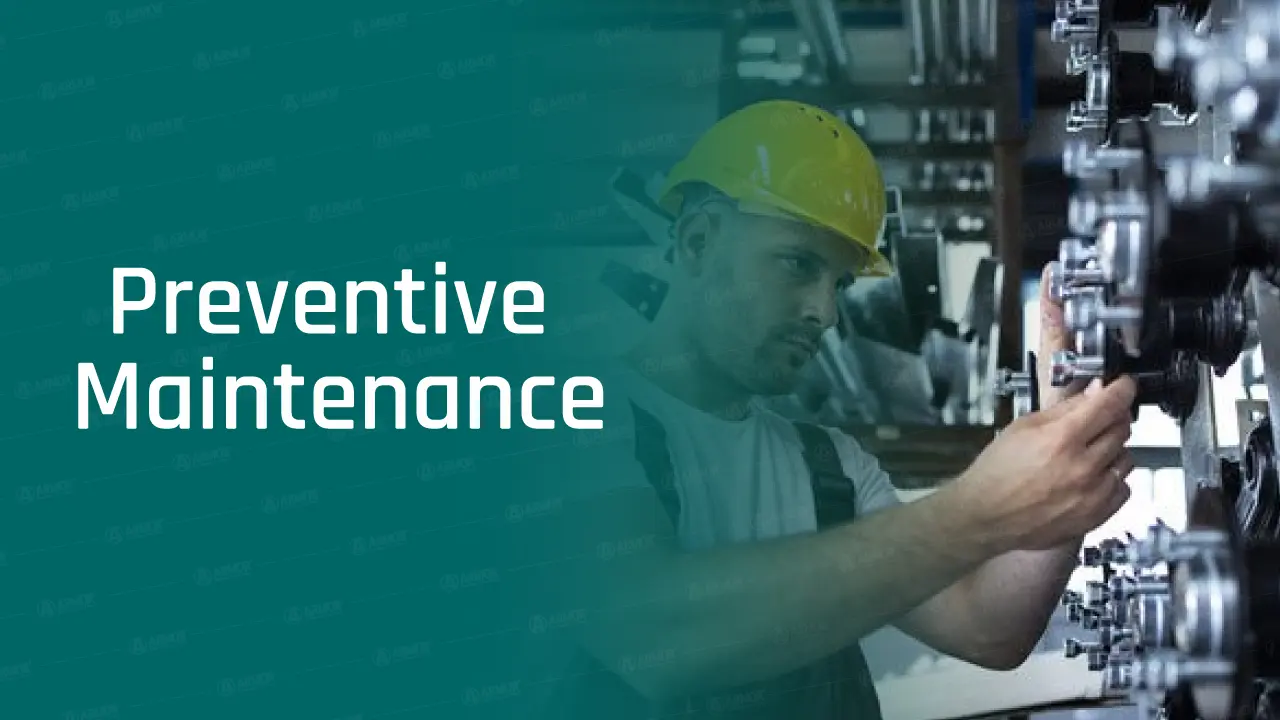
Keeping machinery and equipment in peak condition requires more than just repairs when something breaks down. Preventive maintenance focuses on regular inspections, servicing, and part replacements before failures occur. Businesses that implement proactive maintenance strategies save time, reduce costs, and boost operational efficiency.
Preventive maintenance involves planned maintenance activities designed to reduce unexpected breakdowns. Instead of waiting for equipment failure, businesses take proactive measures to keep machines running smoothly.
A well-structured preventive maintenance plan follows key principles:
By following these principles, companies prevent equipment failure, costly downtime and optimize equipment performance.
Understanding the difference between preventive and reactive maintenance helps businesses choose the right approach:
Relying on reactive maintenance often leads to increased repair costs and operational delays. A preventive approach, however, keeps machines running smoothly and extends their lifespan.
Benefit of preventive maintenance are larger than the cost of temporary pause of production. A well-maintained machine operates more efficiently, reducing operational expenses. Preventive maintenance leads to:
Over time, businesses that invest in preventive maintenance spend significantly less on repairs and replacements.
Preventive maintenance tasks is essential for keeping equipment reliable, reducing unexpected failures, and improving workplace safety. Businesses that implement regular maintenance programs experience fewer breakdowns and better operational efficiency.
Unplanned downtime disrupts operations and leads to financial losses. Preventive maintenance reduces equipment failures by:
Manufacturing plants, transportation fleets, and industrial facilities benefit significantly from proactive maintenance strategies, ensuring uninterrupted workflow.
Poorly maintained equipment poses safety risks for workers and reduces productivity. Implementing a preventive maintenance program enhances workplace safety and efficiency through:
Companies that prioritize maintenance create safer work environments while improving machine reliability and output.
Machines that receive regular maintenance last longer and perform more efficiently. Preventive maintenance extends equipment lifespan by:
Preventive maintenance involves different approaches, depending on the equipment type, usage, and operational environment. Businesses implement various maintenance strategies to optimize performance and prevent unexpected failures.
Scheduling maintenance at regular intervals helps keep equipment in optimal condition. Time-based preventive maintenance includes:
Industries with heavy machinery, such as manufacturing and construction, rely on time-based maintenance to prevent excessive wear and tear.
Instead of following a fixed schedule, usage-based maintenance depends on how often equipment operates. This approach ensures servicing happens based on real-time usage patterns. Key aspects include:
Fleet managers and industrial facilities use this method to maintain equipment without unnecessary servicing.
Advancements in technology allow businesses to move from traditional preventive maintenance to predictive maintenance. Understanding the difference helps businesses optimize their maintenance strategies:
Preventive maintenance covers a wide range of tasks across different industries. Regular servicing, part replacements, and inspections keep equipment running smoothly and prevent costly repairs.
Routine inspections help detect early signs of wear and malfunction. Businesses perform these inspections to:
Manufacturing plants, automotive workshops, and industrial facilities rely on scheduled inspections to maintain productivity and safety.
Fluids play a critical role in maintaining machinery efficiency. Changing oils and other fluids at recommended intervals prevents damage caused by friction, overheating, and contamination. Key aspects include:
Companies that follow a strict lubrication schedule significantly reduce mechanical failures and prolong equipment lifespan.
Waiting for parts to fail leads to downtime and expensive emergency repairs. Replacing components before they wear out improves reliability and performance. Common parts that require scheduled replacement include:
Proactively replacing these components helps businesses avoid costly disruptions and maintain efficiency.
Lubrication plays a critical role in maintaining equipment efficiency and preventing premature wear. Proper lubrication reduces friction, minimizes heat buildup, and extends the lifespan of machinery.
Friction between moving parts leads to excessive wear, reducing equipment performance. Lubrication helps prevent these issues by:
Industries that rely on heavy machinery, such as manufacturing and construction, use high-quality lubricants to maintain equipment efficiency.
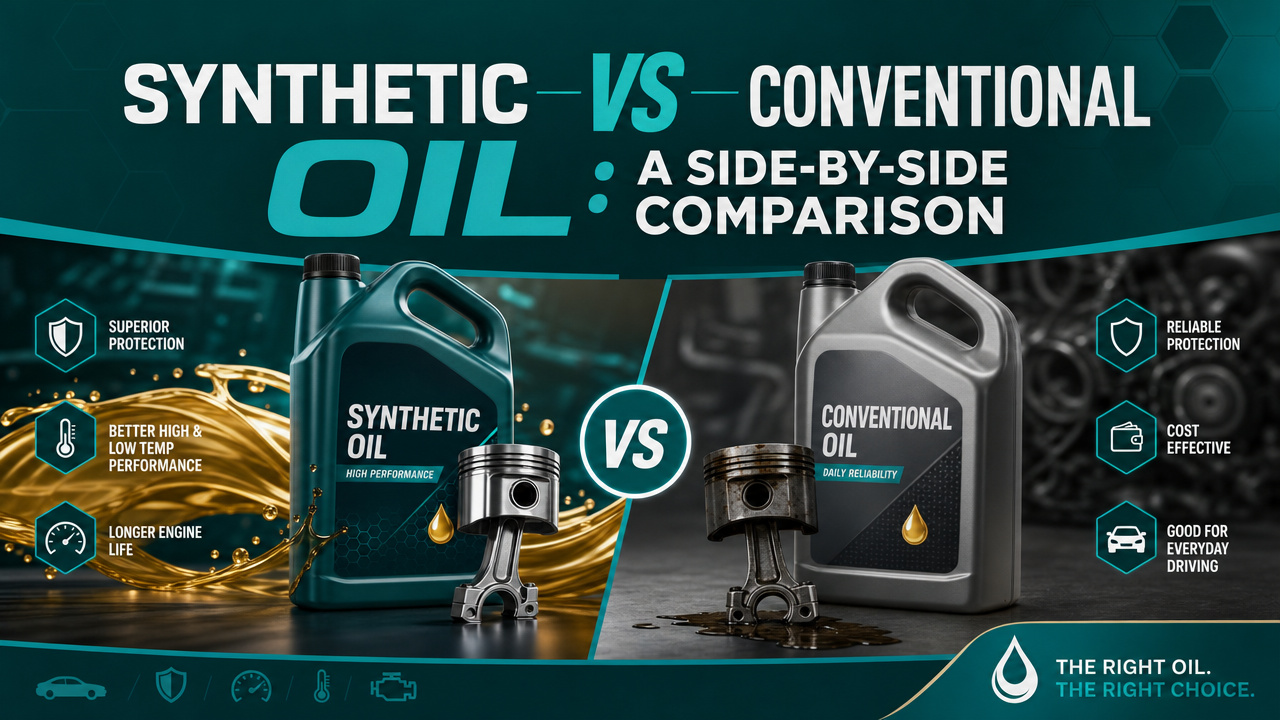
Not all lubricants are the same, and selecting the right one improves machinery performance. Factors to consider when choosing lubricants include:
Using the correct lubricant for specific machinery helps reduce maintenance costs and extends service life.
Improper lubrication can cause more harm than good. Avoiding common mistakes ensures better performance and longer-lasting equipment. Key mistakes to watch for include:
Different types of lubricants serve various industrial and automotive needs. Choosing the right lubricant depends on factors like operating conditions, load requirements, and machinery type.