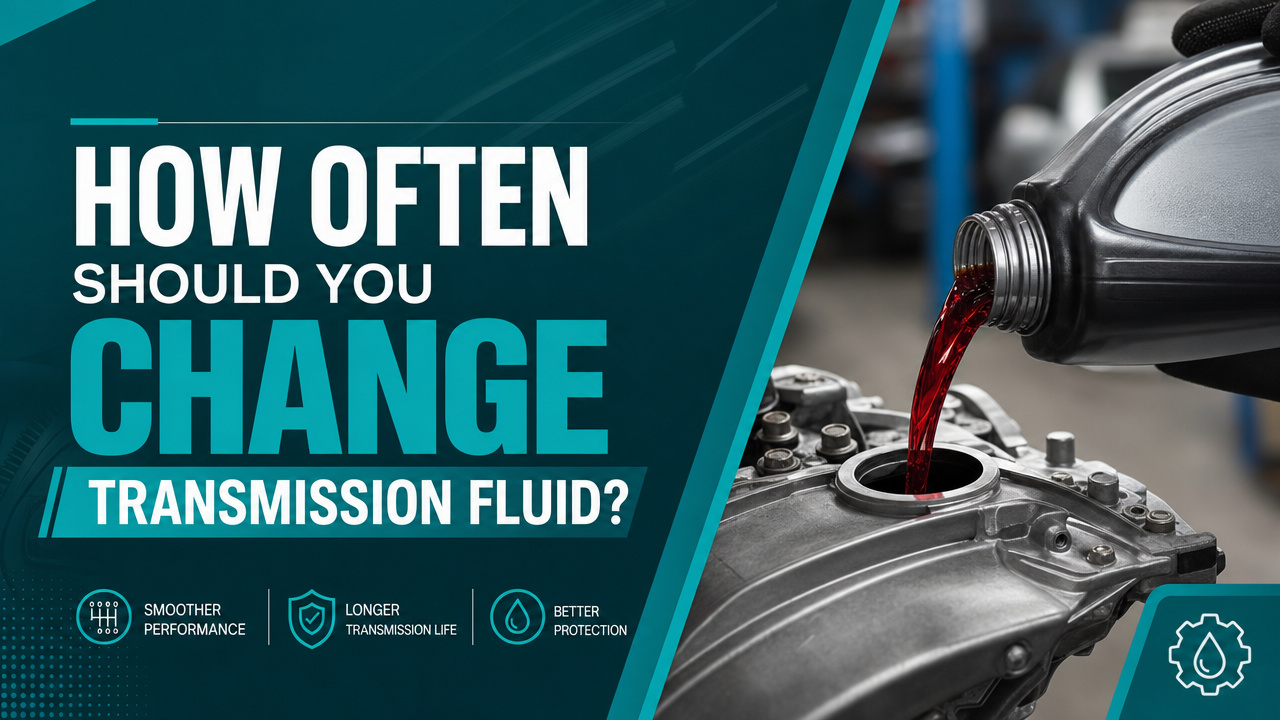
Transmission fluid is the lifeblood of your gearbox, yet it's one of the most neglected maintenance items in modern vehicles. Knowing the right transmission fluid change interval protects your drivetrain, prevents costly repairs, and extends transmission life expectancy. This guide breaks down OEM recommendations, severe service adjustments, and warning signs you shouldn't ignore.
Most automakers publish specific transmission service intervals based on transmission type, fluid formulation, and driving conditions. Following the OEM recommended interval ensures warranty compliance and protects your powertrain from premature wear.
Here's a quick reference for transmission service intervals by manufacturer:
Always consult your owner's manual. Specifications like Dexron VI ATF, Mercon LV, Toyota WS, Honda DW-1, Nissan NS-3, and Allison TES-295 approval are not interchangeable. Using a warranty compliant transmission fluid is non-negotiable.
For most automatic transmissions running conventional ATF Dexron III or Mercon V replacement fluid, the ATF change schedule falls between 30,000 and 60,000 miles. This range balances thermal stability, oxidation resistance, and additive depletion over time.
Vehicles using Dexron 6 full synthetic or Mercon SP specification fluids can extend the synthetic ATF interval to 100,000 miles under normal driving. Full synthetic ATF resists fluid breakdown better, maintaining optimal friction characteristics and anti-wear protection longer than mineral oil transmission fluid.
The transmission flush vs change debate matters here. A drain-and-fill replaces 40-50% of the fluid, while a flush exchanges nearly all of it. For high-mileage vehicles with dark brown transmission fluid, a flush combined with transmission filter replacement restores performance.
Ignore the lifetime transmission fluid myth. Even sealed transmission service units benefit from periodic fluid changes to prevent sludge and deposits from compromising the torque converter lubrication.
CVTs are more sensitive to fluid degradation than traditional automatics. Most manufacturers recommend CVTF replacement every 30,000 to 60,000 miles, with severe service intervals as low as 25,000 miles.
CVT belt slip protection depends entirely on the fluid's shear stability and friction modifiers. Using the wrong fluid—such as standard ATF in place of JASO 1-A CVT fluid or Nissan NS-3—causes immediate slipping, juddering, and permanent belt damage.
If you drive a CVT-equipped vehicle, never stretch the interval. Replace the fluid with the exact OEM specification to maintain smooth shifting performance and prevent transmission failure.
Manual transmission fluid intervals typically run between 30,000 and 60,000 miles, though some performance gearboxes call for changes as early as 25,000 miles. The gearbox oil change interval depends on whether your unit uses API GL-4 manual transmission fluid or API GL-5 gear oil.
API GL-4 is formulated for synchronized manual transmissions and protects soft yellow metals. API GL-5 gear oil contains higher levels of extreme pressure additives, suited for differentials and some heavy-duty gearboxes. Using the wrong grade accelerates manual transmission synchro wear.
Transmission fluid vs gear oil is a critical distinction. Many modern manual gearboxes actually use ATF rather than thick gear oil to improve cold weather shifting difficulty and fuel economy. Check your manual before assuming which lubricant viscosity grade applies.
Severe service maintenance schedules can cut transmission fluid change intervals in half. Heat is the primary enemy—every 20°F increase above normal operating temperature doubles the rate of lubricant degradation.
Towing trailers, boats, or heavy loads dramatically increases transmission temperatures and fluid stress. Transmission fluid for towing must offer superior thermal stability and oxidation resistance to handle sustained high loads.
If you tow regularly, change ATF every 15,000 to 30,000 miles. Consider upgrading to a premium transmission fluid or heavy duty transmission fluid with advanced additive technology. Installing an auxiliary transmission cooler also extends fluid life.
Stop and go driving transmission stress is often underestimated. Constant shifting, idling in traffic, and limited airflow over the transmission case raise fluid temperatures faster than highway cruising.
Urban drivers, taxi fleets, and delivery vehicles should follow severe service intervals. For fleet vehicle maintenance programs, scheduling fluid changes every 25,000 to 30,000 miles prevents transmission slipping and expensive downtime.
Extreme temperature transmission fluid demands are intense. Desert heat accelerates oxidation, while sub-zero starts cause cold weather shifting difficulty as fluid thickens beyond its optimal lubricant viscosity grade.
Full synthetic ATF performs better across temperature extremes, maintaining flow characteristics from -40°F to over 300°F. For climates with severe seasonal swings, synthetic fluids provide superior transmission overheating protection and cold-start gear engagement.
Mileage isn't the only factor. Watch for these signs of bad transmission fluid that signal immediate service is required:
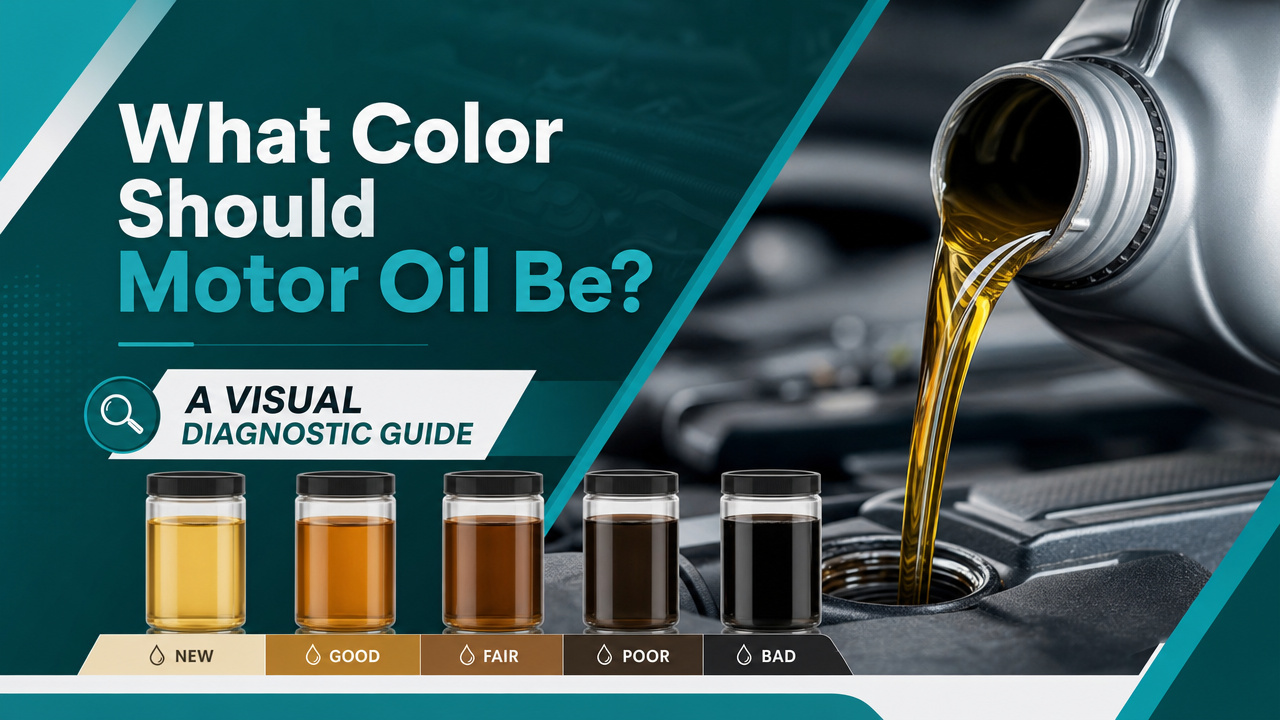
Perform a fluid color check monthly using the transmission fluid dipstick if equipped. Red transmission fluid means the additive package is still working. Dark brown transmission fluid means it's time to act.
For sealed units without a dipstick, schedule professional inspection at every oil change. A qualified technician can pull a sample and assess fluid condition without disturbing the system.
Selecting the correct fluid is as important as the change interval itself. Match the OEM specification exactly—whether that's Dexron VI ATF, Mercon LV, ZF 8 speed fluid, Toyota WS, or Allison TES-295 approval.
Premium auto fluid suppliers like Armor Lubricants offer warranty compliant transmission fluid for passenger cars, commercial vehicles, and industrial gearbox oil applications. Whether you need full synthetic ATF for fleet vehicle maintenance or heavy equipment transmission oil for off-road equipment, the right formulation delivers gearbox protection, anti-foam additives, seal swell agents, and shear stability your transmission demands.
For workshops and resellers, buying bulk transmission fluid from a wholesale auto lubricants supplier ensures consistent quality and cost control across every service.
Regular transmission fluid change is the single most effective way to prevent transmission failure. Follow the OEM recommended interval, shorten it for severe service, and respond quickly to warning signs.
The cost of a transmission flush is a fraction of a rebuild. Whether you DIY transmission fluid change or rely on a professional, using high performance lubricants formulated for your specific transmission protects your investment and keeps every shift smooth, responsive, and reliable.