Fresh motor oil presents a clear amber to honey-gold hue when poured straight from the bottle. This translucent appearance signals unused additives, balanced viscosity grade integrity, and full thermal stability. Whether SAE 5W30 or SAE 15W40, the new engine oil color stays consistent across reputable formulations.
Full synthetic oils often appear slightly lighter and clearer than conventional oil, while semi synthetic blends sit between mineral oil and pure synthetic shades. Premium engine oil grades meeting API SP, API CK-4, or ACEA C3 standards maintain this transparent amber tone until installed.
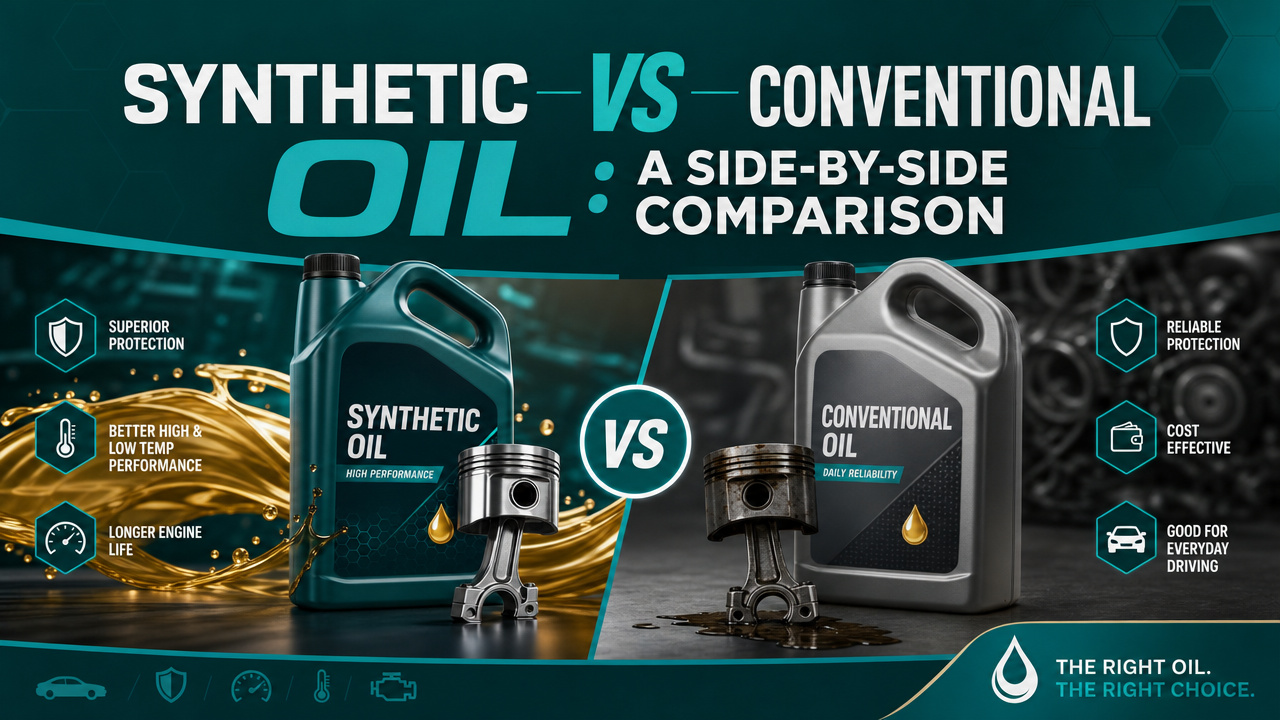
If you wonder what color is synthetic oil out of the bottle, expect a brighter, slightly translucent gold. Conventional oil color tends to be a deeper amber. Both indicate fresh, unoxidized lubrication ready for engine protection and friction reduction duties.
Once circulating inside a running engine, motor oil darkens progressively. Heat cycles, combustion blow by, carbon deposits, and oxidation stability limits all push the oil toward brown shades. This darkening is normal and reflects the lubricant doing its job of capturing contaminants.
Detergent and dispersant additives suspend soot and microscopic particles, which naturally tints the oil darker. Diesel engine oil color shifts to black within hours of operation due to higher soot loading. Gasoline engine oil color darkens more gradually but follows the same path.
Synthetic oil color change tends to be slower than conventional grades because of superior thermal breakdown resistance. Long drain interval engine oil formulations resist oxidation longer, but eventually all lubricants surrender to heat, pressure, and contamination over time.
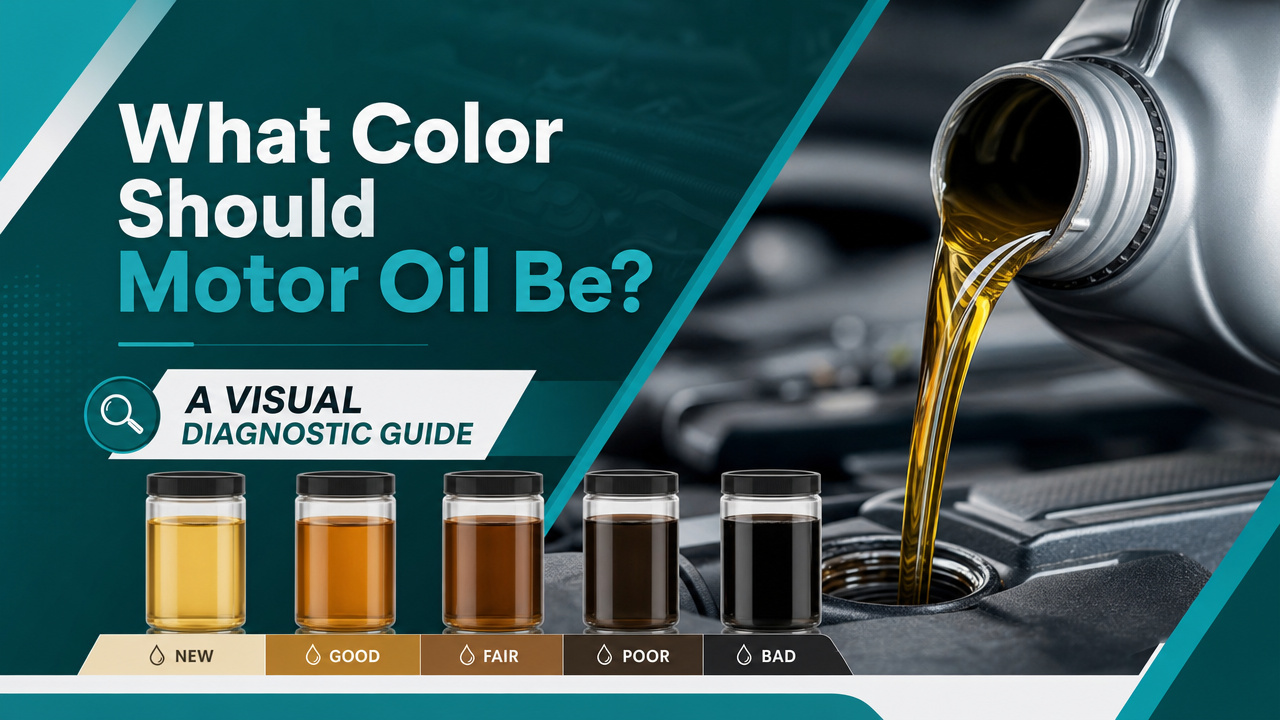
Reading the dipstick is the fastest way to diagnose engine health. The oil color chart below breaks down what each shade signals about internal conditions, contamination, and remaining service life.
Amber to light brown oil indicates a healthy lubrication system. Additives are active, viscosity is intact, and engine wear protection remains strong. This is the correct oil color you want to see during routine oil maintenance checks.
Expect this shade in the first few hundred miles after an oil change. The slight darkening from pure amber reflects normal heat exposure and minor contaminant pickup, both signs of proper oil condition monitoring.
Is dark oil bad? Not always, but it signals the end of useful service life. Dark brown motor oil means dispersants are saturated with carbon deposits and engine sludge precursors. Black engine oil, especially in gasoline engines, calls for an immediate change.
Why is my motor oil black? Common causes include extended drain intervals, heavy stop-and-go driving, fuel dilution, or excessive combustion blow by. Diesel oil turns black quickly by design, so rely on mileage and oil analysis instead of color alone for heavy duty engine oil.
Milky motor oil with a tan, creamy appearance points to coolant contamination. Water in engine oil creates this emulsion, often from a blown head gasket, cracked block, or failed oil cooler. What does milky oil mean? Immediate diagnostic attention.
Foamy engine oil with bubbles suggests aeration, overfilling, or failing anti foam oil properties. Distinguish milky dipstick condensation vs coolant by checking under the oil cap as well. Light condensation in cold weather is normal, but persistent milkiness indicates a serious internal leak.
Gritty motor oil with visible particles or a shimmering metallic sheen reveals internal engine wear signs. Metal shavings in oil typically come from bearing wear, camshaft scoring, or timing component degradation.
Rub a drop between your fingers. If you feel grit, schedule oil analysis immediately. Metallic particles in lubrication systems escalate damage rapidly, especially without functioning anti wear additives or a properly sealed oil filter.
Certain oil conditions demand professional inspection rather than another oil change. Knowing the signs you need a mechanic oil check prevents catastrophic engine failure and expensive rebuilds.
Causes of frothy motor oil often include water and oil emulsion from cooling system failures. An oil filter bypass signal, low oil pressure warning, or knocking sound paired with abnormal oil color requires immediate diagnostic work.
For commercial fleet engine oil maintenance and heavy equipment oil analysis, schedule lab testing alongside visual checks. Visual cues catch obvious problems, but spectrographic analysis confirms wear metal trends and contamination levels invisible to the eye.
Engine oil color vs time follows a predictable curve, though driving conditions accelerate or slow the progression. Knowing how fast does oil turn black helps you separate normal darkening from premature degradation.
Diesel engines reach black within 100 to 500 miles regardless of oil quality due to soot loading. Passenger car motor oil color stays lighter longer. Premium synthetic engine oil formulations with advanced anti wear additives extend the amber phase significantly.
Motor oil turning black quickly in a gasoline engine suggests excessive blow by, worn rings, or extended idling. Check the dipstick reading every 1,000 miles to track the rate of change rather than relying on a single observation.
For best oil for engine longevity and recommended oil for high mileage applications, choose the right oil meeting OEM approval, dexos approved engine oil specs, or JASO standard engine oil requirements. Correct lubricant maintenance intervals matter more than color alone, but visual checks remain your first warning system.
Armor Lubricants manufactures high performance industrial oils, automotive lubricants, fleet engine oil, and specialty fluids and greases engineered for thermal stability, oxidation stability, and superior engine wear protection across diesel, gasoline, and heavy-duty applications worldwide.