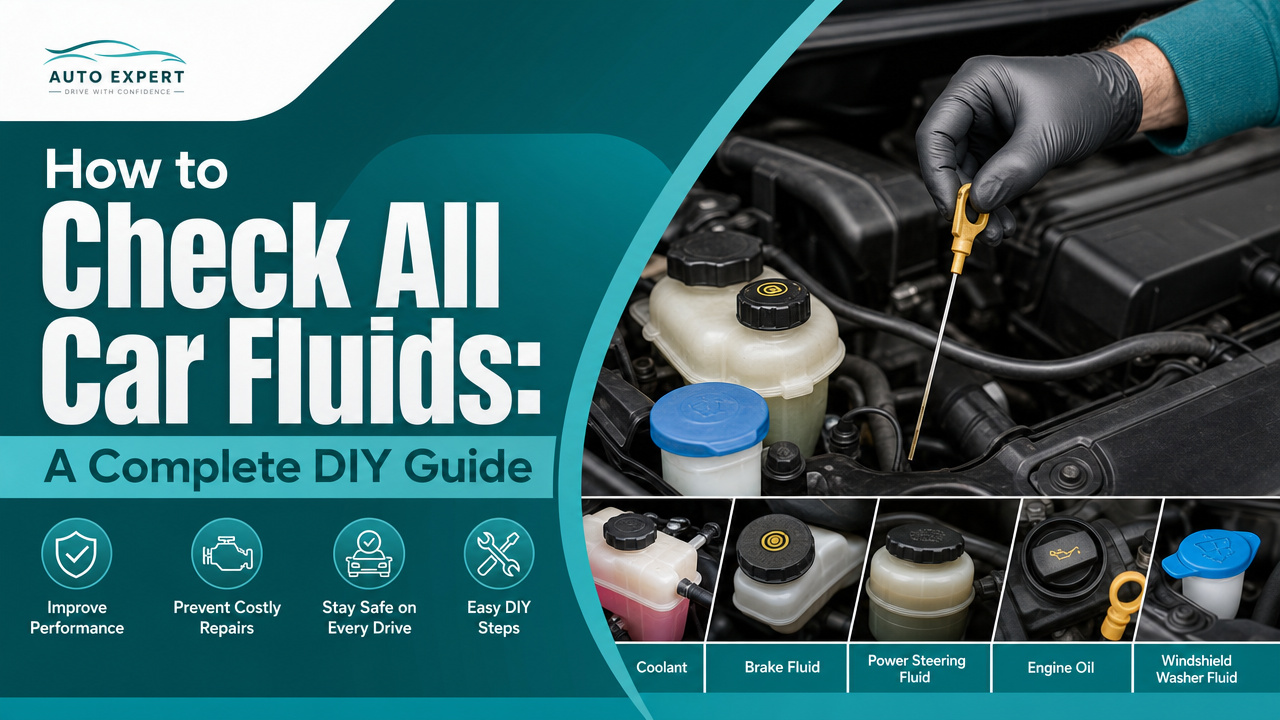
Maintaining your vehicle starts with knowing what's under the hood. Regular fluid checks prevent costly repairs, extend component life, and keep your car running at peak performance. This complete DIY guide walks you through checking all car fluids efficiently, so you can spot issues before they become breakdowns.
Every vehicle relies on seven essential car fluids to function properly. Each one serves a distinct role in the lubrication system, hydraulic system, or cooling circuit. Knowing them is the foundation of complete car fluid maintenance.
Together, these standard car maintenance fluids form the backbone of your vehicle's reliability. Skipping any one of them risks long-term damage and reduced performance.
Park on level ground and let the engine cool for 5–10 minutes. Pull the dipstick, wipe it clean, reinsert fully, then remove again for an accurate car oil dipstick reading. The level should sit between MIN and MAX marks.
Inspect fluid color and smell. Healthy oil appears amber to light brown. Dark, gritty oil indicates checking for sludge is overdue. A burnt odor or milky appearance suggests head gasket leak coolant oil mix issues that require immediate attention.
Match your oil to manufacturer specifications. Whether you use SAE 5W30 motor oil, SAE 5W40 synthetic, or SAE 15W40 heavy duty for diesel engine oil applications, confirm API SP engine oil, ACEA C3 lubricant, or Dexos approved oil ratings match your owner's manual.
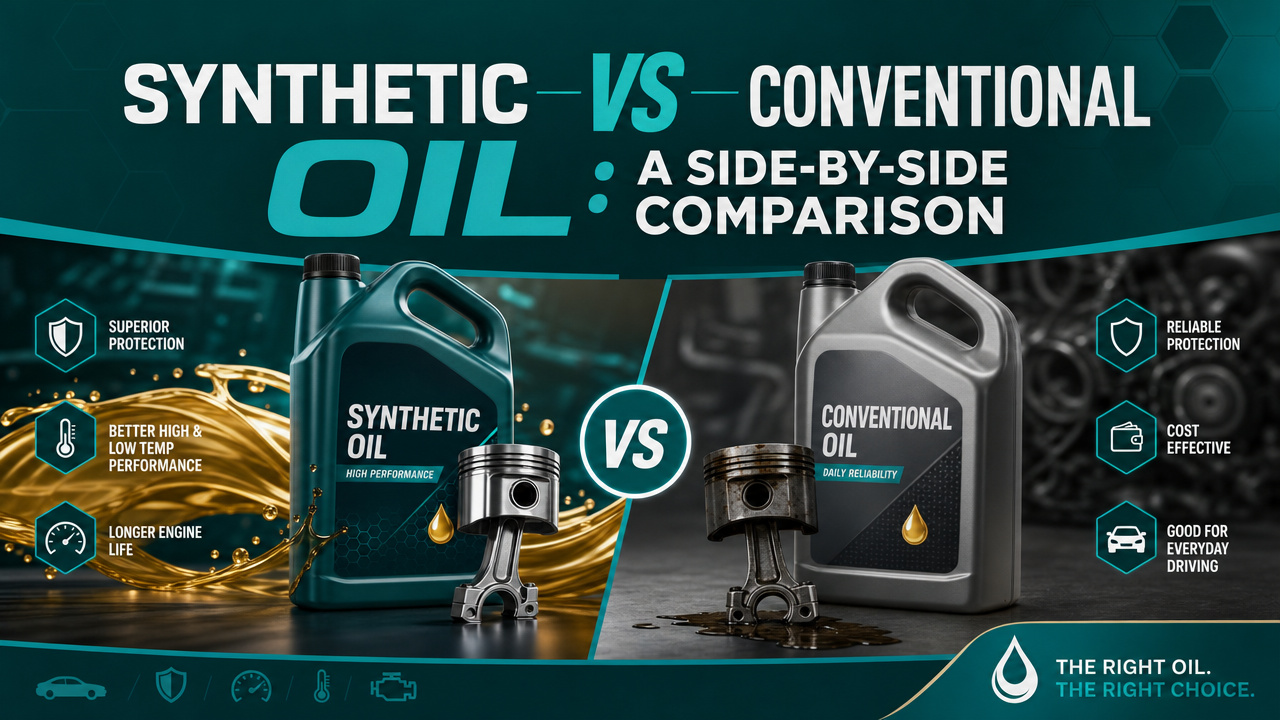
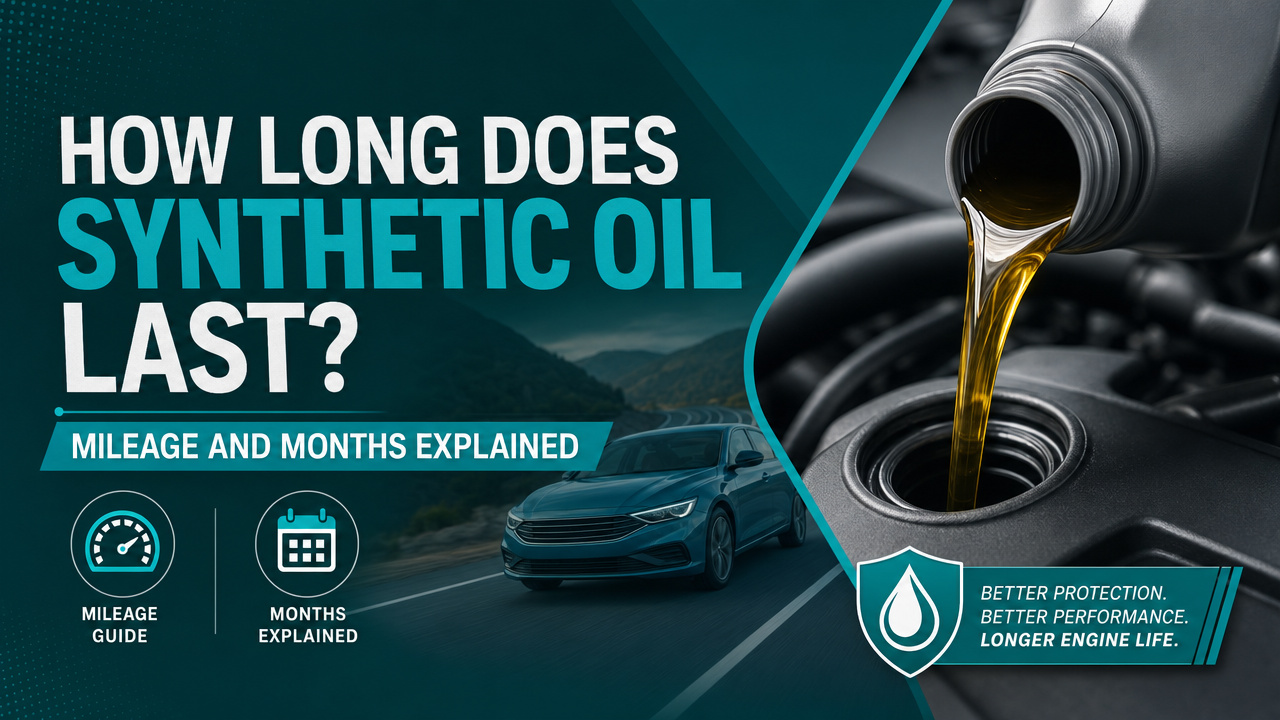
Full synthetic vs conventional oil matters for long drain intervals and cold start engine protection. Premium synthetic fluids deliver superior oxidation stability and fuel economy oil benefits. Top off engine oil only with the same grade to maintain oil viscosity consistency.
Always inspect coolant when the engine is cold. Locate the coolant reservoir level indicator on the translucent overflow tank. The fluid should sit between the LOW and FULL lines, with a bright green, orange, or pink color depending on formulation.
For heavy duty coolant check procedures on trucks or fleet vehicles, verify both the reservoir and radiator levels. Cloudy or rust-colored coolant indicates contamination and requires flushing. Topping up antifreeze coolant should always use the correct right coolant for radiator type.
Standard vs long life coolant differs in additive chemistry. Never mix incompatible formulations, as this destroys anti rust properties and accelerates corrosion. Watch for sweet smells under the hood, which often signal hidden leaks.
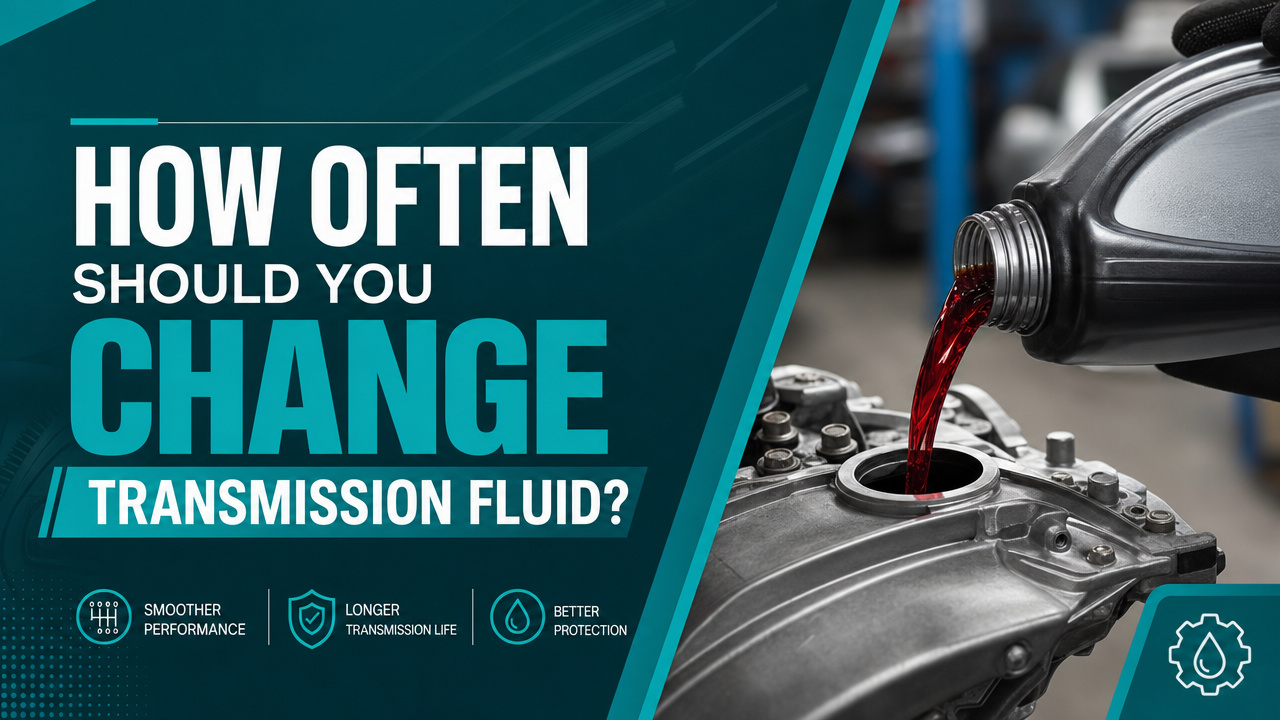
Traditional dipstick systems require checking with the engine running, transmission in PARK, and fluid warm. Wondering whether to check auto transmission fluid hot or cold? Most manufacturers specify hot—always confirm in your manual.
Automatic transmission fluid color should appear bright red or pink. Brown or black ATF fluid condition indicates oxidation and signs of dirty transmission fluid. A burnt smell signals immediate service. Synthetic blend transmission fluid offers better thermal stability for demanding conditions.
Sealed transmission fluid level check procedures require a lift, specific operating temperature, and removal of a fill plug. This applies to many modern vehicles and CVTs. Checking continuously variable transmission CVT fluid often requires dealer-level tools, but visual leak inspection remains a DIY task.
Multi vehicle ATF checking is common in fleets. Always confirm which transmission fluid to use—the wrong type causes shifting issues and internal wear despite identical appearance.
Locate the power steering reservoir, usually marked with a steering wheel icon. Most have a small dipstick attached to the cap with HOT and COLD markings. Check with the engine off and fluid at the appropriate temperature.
Fluid should appear clear amber or pink. Dark, foamy, or burnt-smelling fluid indicates power steering fluid foaming or contamination. A steering pump whine fluid low symptom means top off immediately to prevent pump damage.
When to change power steering fluid? Most manufacturers recommend every 50,000–75,000 miles. Use only the specified fluid—ATF and dedicated PSF are not always interchangeable despite similar appearance.
The brake fluid reservoir sits atop the master cylinder near the firewall. Inspect the translucent tank for the master cylinder max line. Fluid should be clear to light amber. Dark brown fluid signals brake fluid moisture contamination.
DOT 3 vs DOT 4 brake fluid differs in boiling point and moisture absorption. Never mix with DOT 5 silicone-based fluid. How to tell if brake fluid is bad? Dark color, spongy pedal feel, or low brake fluid symptoms like extended stopping distance all confirm replacement is needed.
Low fluid often means worn brake pads pushing fluid back into the system or a leak in the lines. Investigate both before simply topping off.
Windshield washer fluid is the simplest check—open the blue-capped reservoir and fill to the top. Use seasonal formulations for extreme temperature fluid performance, especially in winter climates where freeze protection matters.
Differential fluid inspection requires accessing the fill plug on the axle housing. Remove it and insert a finger—fluid should reach just below the opening. Choose API GL-5 differential fluid with proper gear oil viscosity for your application.
Synthetic vs mineral gear oil affects equipment protection under heavy duty applications. Differential oil change signs include whining noises, vibration, or metallic shavings on the magnetic drain plug. The right lubricant for differential service extends axle life significantly.
Fluid inspection frequency varies by component and driving conditions. High mileage vehicle fluids and commercial automotive lubricants require more attention than passenger car motor oil PCMO in light-duty service.
Recommended fluid change intervals depend on operating environment. Heavy duty diesel HDEO check schedules differ from gasoline engine oil routines. Always follow MB approval fluids guidelines and OEM specifications for automotive fleet maintenance.
Watch for signs of low car fluids—dashboard warnings, unusual noises, performance drops, or visible car fluid leak identification under the parked vehicle. Early detection saves thousands in repairs.
Proper lubricant selection guide principles ensure you choose the right oil and match every fluid to its application. From API CK-4 diesel oil to ISO VG hydraulic oil check procedures, using high performance lubricants with the correct anti wear additives keeps your vehicle protected across every operating condition. Armor Lubricants delivers premium engine oil assessment-grade products engineered for the best oil for passenger cars and demanding commercial fleets alike.