Picking the correct motor oil is not guesswork. It is a match between your engine's engineering and the fluid's chemistry. The right lubricant protects internal parts, improves fuel economy, and extends drain intervals. The wrong one accelerates wear, builds sludge, and can void your warranty. This guide from Armor Lubricants shows you exactly how to choose the right engine oil for your car.
Engine oil is the lifeline of your motor. It creates a hydrodynamic film between moving metal surfaces, delivering friction reduction and wear protection across thousands of combustion cycles per minute. Without proper lubrication, components fail within minutes.
Modern passenger car motor oil also manages heat. The base oil and additive package deliver thermal stability and oxidation stability, keeping the fluid intact at high operating temperatures. This is what prevents sludge and removes deposits from pistons, rings, and valve trains.
Premium motor oil does more than lubricate. It carries anti-wear additives like ZDDP, detergents, dispersants, friction modifiers, and viscosity index improvers. Together they deliver cold start protection, fuel economy, and a long drain interval, which is why oil quality directly defines engine life.
Knowing what engine oil your car takes starts with three reference points: the owner's manual, industry service ratings, and OEM approvals. Skip one, and you risk using the wrong oil for your engine.
Your owner's manual lists the exact SAE viscosity grade, service category, and oil capacity your engine needs. Manufacturer requirements are non-negotiable because they reflect the bearing clearances, oil pump pressure, and emissions hardware built into your specific engine.
Check the manual for cold-climate alternatives. Many vehicles allow SAE 0W20 in winter and SAE 5W30 in warmer regions. Always match the recommended oil grade to your actual operating temperature range.
Service categories tell you what performance level the oil meets. The current API SP and earlier API SN ratings cover modern gasoline engines, including turbocharged and direct injection units with LSPI protection. For diesel engines, look for API CK-4.
ILSAC GF-6 is the fuel economy standard for passenger car engine oil (PCMO) in North American and Asian vehicles. European cars usually require ACEA ratings such as ACEA C3 for low-SAPS, DPF-compatible formulations. Match the standard printed on the bottle to the standard listed in your manual.
OEM approvals are stricter than API or ACEA ratings. GM requires dexos1 Gen 3 approved motor oil. Mercedes-Benz uses MB approval numbers such as MB 229.5 or 229.51. BMW LL oil specs include LL-01, LL-04, and LL-17 FE+.
Use only oils printed with the exact approval code your engine requires. A close match is not a match. These approvals confirm the oil passed brand-specific engine tests for wear, deposits, and emissions compatibility.
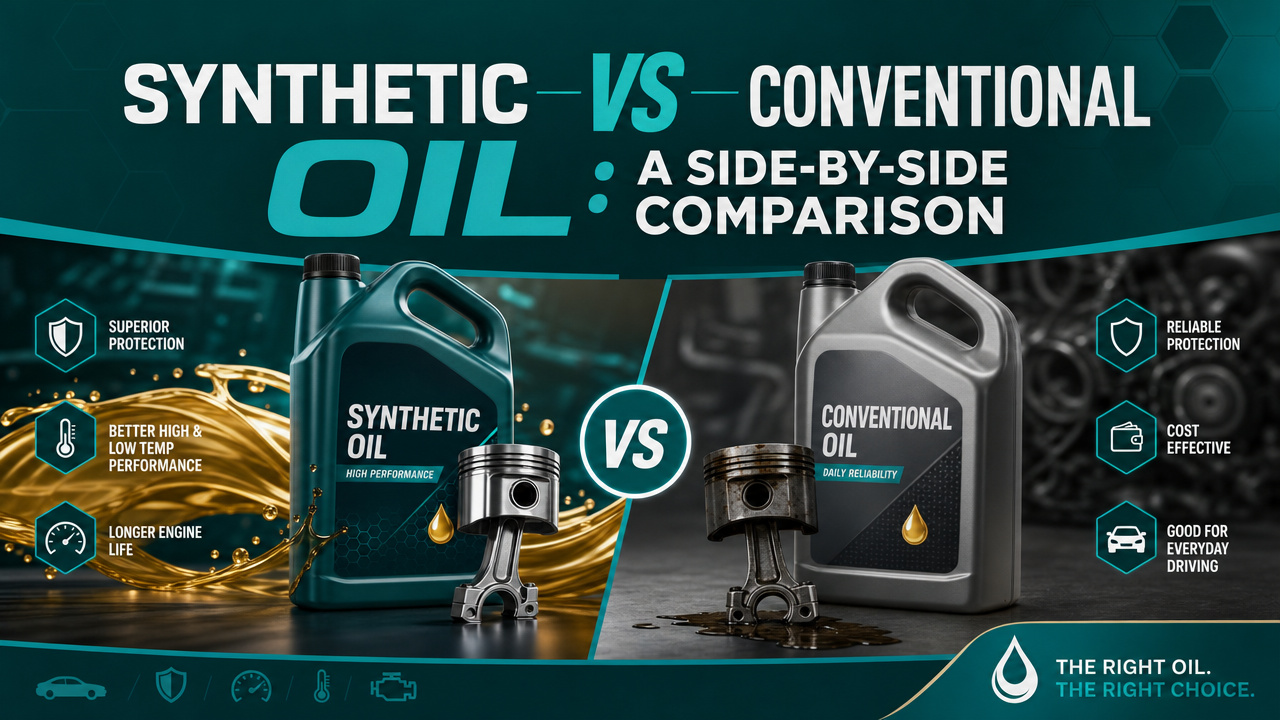
The difference between conventional and synthetic comes down to base oil quality. Mineral oil is refined directly from crude. It works in older, low-stress engines but breaks down faster under heat and load.
Semi synthetic oil, also called synthetic blend, mixes mineral and synthetic base stocks. It offers better thermal stability and cold-flow performance than conventional at a lower price than full synthetic. It suits moderate-duty driving and older vehicles transitioning to higher-grade lubricants.
Full synthetic motor oil uses engineered Group III, IV, or V base oils. The result is a premium full synthetic formula with superior oxidation stability, viscosity breakdown prevention, and cleaner combustion chambers. Choose top tier full synthetic for turbocharged engines, direct injection, extreme driving conditions, or extended drain intervals.
Synthetic motor oil benefits include:
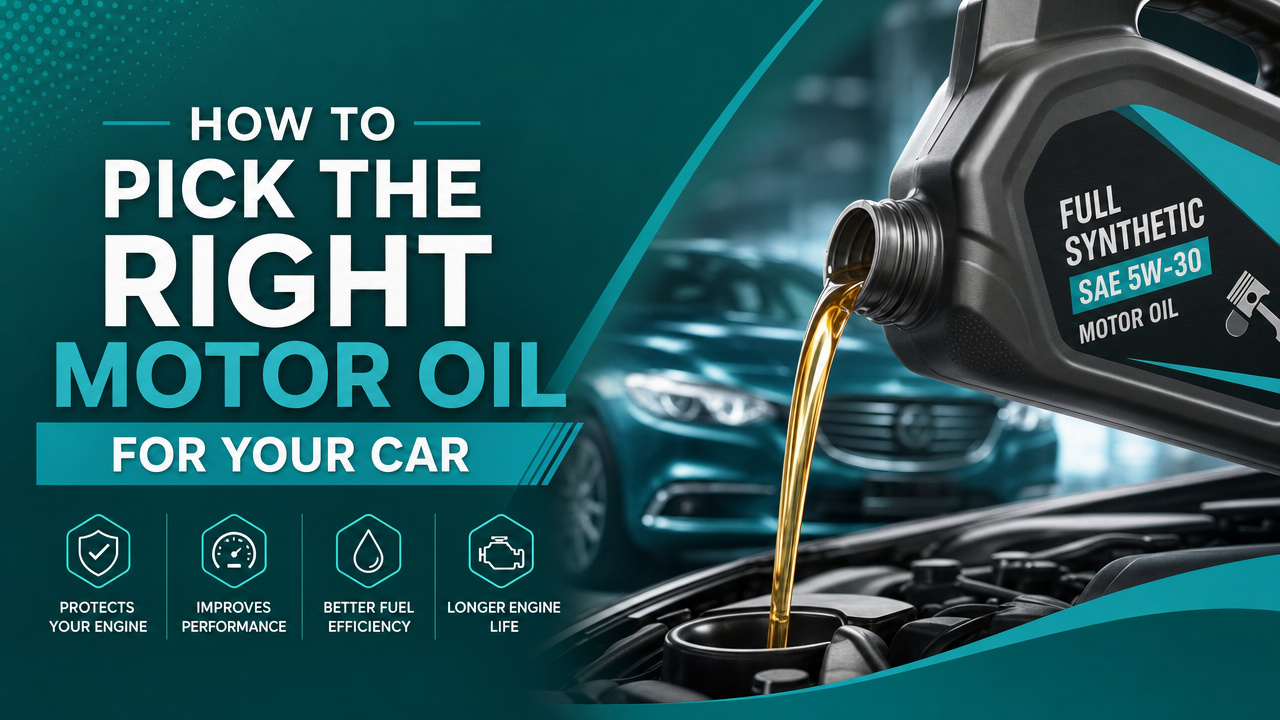
SAE viscosity grade explained simply: a label like SAE 5W30 shows two numbers. The number before the W is the winter grade oil rating, measuring flow at cold start. The number after is the viscosity at 100°C operating temperature.
Lower first numbers like 0W or 5W flow faster at startup, reducing dry-start wear. Higher second numbers like 40 or 50 hold a thicker film at high heat, useful for heavy duty engine oil applications, towing and hauling heavy loads, or high-performance engines.
Common multigrade engine oil weights for passenger cars include:
Never switch grades without confirming the manual allows it. Motor oil thickness affects oil pressure, timing chain operation, and variable valve timing performance.
An engine past 75,000 miles often benefits from high mileage oil. These formulas contain seal conditioners that swell worn gaskets, plus extra detergents to clean engine sludge and deposits accumulated over years. Changing to high mileage oil can reduce leaks and burn-off.
Driving conditions shape your selection too. Short trips, stop-and-go traffic, dusty roads, and extreme temperatures all qualify as severe service. Under these conditions, choose a full synthetic with strong oxidation stability and shorten your drain interval.
Match the oil to how you actually drive:
Oil capacity varies by engine displacement and design. Most four-cylinder passenger cars take between 4 and 5 quarts. V6 engines usually require 5 to 6 quarts, and V8s can need 6 to 8 quarts including the filter change.
To check engine oil capacity, look in the owner's manual under fluid specifications, or check under the oil filler cap. Never overfill. Excess oil aerates, causes foaming, and damages bearings and seals. Underfilling starves the pump and accelerates wear.
Always refill in stages. Add most of the specified amount, run the engine briefly, let it settle, and check the dipstick. Top up until the level sits between the minimum and maximum marks.
Armor Lubricants manufactures automotive lubricants engineered to meet API, ILSAC, ACEA, and OEM standards across passenger car and heavy-duty applications. Whether you need SAE 0W20 for a hybrid, SAE 5W30 for a daily driver, or a premium full synthetic for a turbocharged engine, you can buy motor oil online with confidence that the formulation matches your engine's exact requirements.
Pick the oil your manual specifies, confirm the service rating and OEM approval, and match the viscosity to your climate and driving conditions. Do that, and your engine will run cleaner, last longer, and deliver the performance it was built for.