
Maximum engine protection requires understanding the specific chemical demands placed on motorcycle lubricants. Unlike automotive applications, motorcycle oils often must lubricate the engine, clutch, and transmission simultaneously. This shared sump architecture introduces shear forces that rapidly degrade inferior lubricants.
Selecting the best motorcycle oil involves analyzing base stock quality and additive packages. You must look beyond marketing labels and focus on shear stability and thermal resistance. High-performance engines operating at high RPMs generate intense heat that breaks down molecular bonds in standard oils.
The primary goal is maintaining a durable oil film under extreme pressure. If this film ruptures, metal-to-metal contact occurs, leading to catastrophic component failure. Specialized formulations offer higher flash points and robust anti-wear additives designed specifically for these harsh environments.
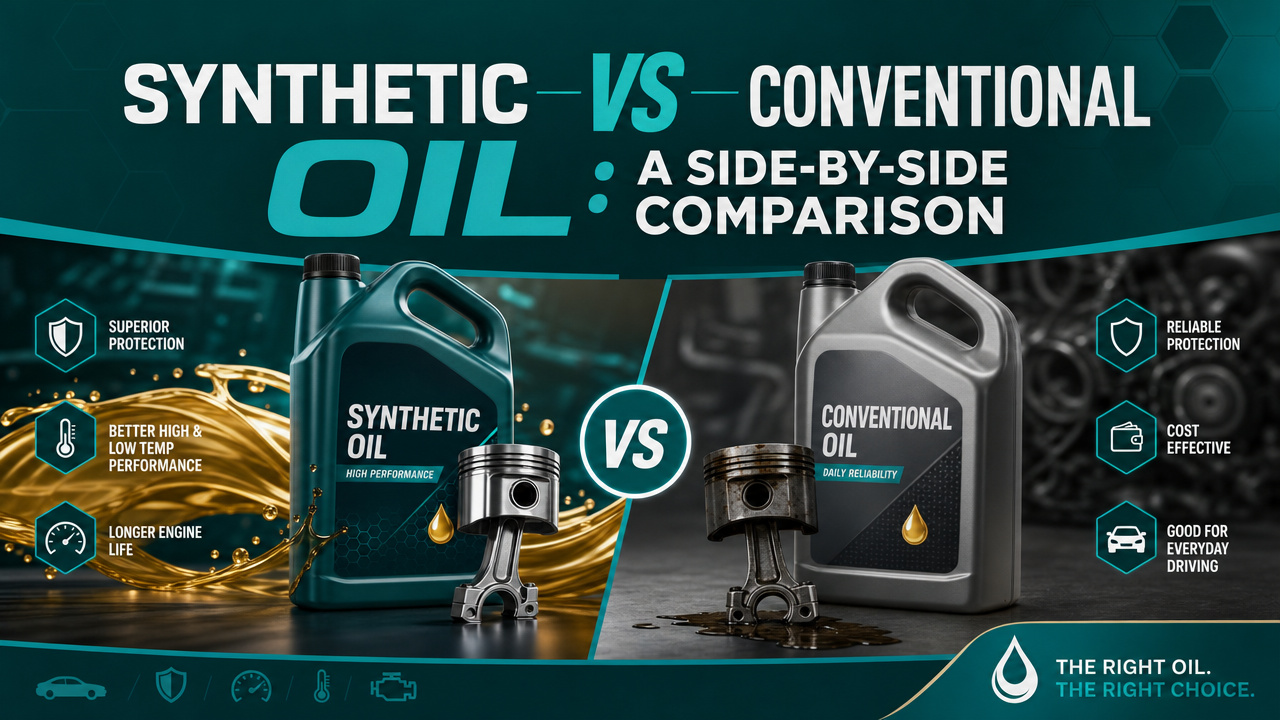
The debate between mineral and synthetic lubricants centers on molecular uniformity. Mineral oils, derived directly from crude oil, contain irregular molecular structures. These irregularities can lead to uneven lubrication and faster thermal breakdown under high loads.
Full synthetic oils rely on chemically engineered molecules. These base stocks provide consistent size and shape, reducing internal fluid friction. This uniformity allows the oil to flow more efficiently during cold starts while maintaining viscosity at operating temperatures.
Polyalphaolefin (PAO) and Ester-based synthetics represent the upper echelon of lubrication technology. Group IV and Group V base stocks offer superior resistance to oxidation. They do not sludge as easily as mineral alternatives, keeping internal engine components cleaner over extended intervals.
Esters possess a unique electrochemical polarity. This allows the oil molecules to magnetically adhere to metal surfaces, ensuring a protective layer exists even when the engine is off. This characteristic significantly reduces wear during start-up, which is when most engine damage occurs.
Mineral oil still holds a place in break-in scenarios. During the initial seating of piston rings, too much lubricity can prevent proper mating of components. Mineral options allow strictly controlled wear necessary for new engines to establish a tight seal.
Older vintage motorcycles with distinct seal materials also benefit from mineral options. Synthetics can sometimes cause seals in vintage bikes to shrink or leak. Using a recommended motorcycle oil that matches the era of the engine manufacturing is often the safest protocol for classics.
Viscosity dictates how easily oil flows through the engine and how thick the protective film remains under heat. The Society of Automotive Engineers (SAE) grading system provides a baseline, but the numbers on the bottle do not tell the whole story regarding shear stability.
An oil labeled 10W-40 behaves like a 10-weight oil at cold temperatures and a 40-weight oil at operating temperatures. The span between these numbers is achieved using Viscosity Index Improvers (VIIs). However, cheap VIIs can shear down quickly in motorcycle transmissions.
Motorcycles shred oil molecules. The transmission gears act like a blender, physically cutting the long polymer chains of VIIs. When these chains break, the oil loses its ability to maintain viscosity at high heat. A 10W-40 can quickly thin out to a straight 10-weight.
The best synthetic motorcycle oil utilizes robust, shear-stable polymers or naturally high-viscosity base stocks that require fewer additives. This ensures the oil stays in grade for the entire service interval, protecting bearings and cam lobes from contact.
Liquid-cooled engines maintain a relatively stable operating temperature. Air-cooled V-twins or large single-cylinder engines experience drastic temperature spikes. In traffic, an air-cooled engine can exceed 300 degrees Fahrenheit, thinning the oil dangerously.
Owners of heavy touring bikes often seek specific formulations, such as a 2014 Street Glide oil option that favors 20W-50 viscosity. Thicker functionality at high heat acts as a necessary safeguard against thermal thinning in large displacement, air-cooled motors.
Automotive oils have evolved to reduce friction to absolute minimums to meet fuel economy mandates. They often contain friction modifiers like molybdenum. While beneficial for cars, these additives are disastrous for motorcycles with wet clutches.
A wet clutch relies on friction between plates to transfer power. Friction modifiers cause these plates to slip, leading to power loss and rapid clutch burn-out. This distinction creates the divide between good motorcycle oil and generic automotive lubricants.
The Japanese Automotive Standards Organization (JASO) created specific ratings to address clutch performance. JASO MA is the standard for motorcycles with a wet clutch. It ensures the oil does not contain friction modifiers that induce slippage.
JASO MA2 is a stricter standard designed for modern bikes with high torque output and catalytic converters. It offers higher friction indices, ensuring positive clutch engagement even under aggressive acceleration. Always verify the bottle carries the JASO rectangle.
Avoid any oil displaying the "Energy Conserving" or "Resource Conserving" starburst symbol on the API donut. These oils are formulated strictly for automotive engines where the transmission is separate. In a bike, they will glaze the clutch plates rapidly.
While an Acura RSX oil capacity specification might call for thin, friction-modified oil for efficiency, a motorcycle requires a completely different chemical profile. Never substitute car oil simply because the viscosity numbers match.
Beyond the base oil, the additive package defines the lubricant's performance limit. Anti-wear additives sacrifice themselves to prevent metal tearing. Zinc dialkyldithiophosphate (ZDDP) is the most prominent compound used for this purpose.
ZDDP forms a glassy phosphate film on metal surfaces under heat and pressure. This film prevents scuffing on cams, lifters, and cylinder walls. High-performance motorcycle oils generally contain higher concentrations of Zinc and Phosphorus than current car oils.
Phosphorus can slowly poison catalytic converters, reducing their efficiency. Environmental regulations have forced the reduction of ZDDP in automotive oils (API SN and SP specifications). However, motorcycles operate at higher RPMs and loads, necessitating higher wear protection.
The best oil for motorcycles balances these needs. It maintains enough ZDDP to protect the valve train while utilizing modern detergent technologies to minimize volatility. This keeps the phosphorus in the engine and out of the exhaust stream.
Brand loyalty often stems from marketing, but chemical analysis reveals the true leaders. Top-tier manufacturers invests heavily in R&D to blend proprietary additive packages. They do not simply buy off-the-shelf formulas and rebrand them.
Look for brands that publish their technical data sheets. You want to see the Viscosity Index (VI), Flash Point, and Noack Volatility scores. A high VI indicates stability across temperature ranges, while low volatility means less oil consumption.
Brands focusing on Ester technology often lead the market in racing applications. Esters resist high-temperature shear better than almost any other base stock. They are expensive to produce, reflected in the price per quart.
These oils are often labeled as "double ester" or "complex ester." They are ideal for track days or high-performance riding where the engine spends significant time near the redline. The cost is justified by the extreme protection provided.
For long-distance riders, longevity is key. Brands focusing on PAO blends often excel here. They provide excellent protection but emphasize detergent dispersants to hold combustion byproducts in suspension for thousands of miles.
If you are servicing a dual-sport for a long trip, such as sourcing a KLR 650 oil change kit, opt for an oil known for its TBN (Total Base Number) retention. A high TBN neutralizes acids formed during combustion, protecting bearings from corrosion during long intervals.
Even the best synthetic motorcycle oil accumulates contaminants. Combustion creates carbon soot, acids, and water vapor. These contaminants circulate through the engine, acting as a mild abrasive and promoting corrosion.
Changing oil removes these contaminants. No additive package can eliminate the physical presence of soot. Therefore, a strict maintenance schedule is just as critical as the oil quality itself.
Motorcycles used for short commutes are at high risk. The engine never gets hot enough to evaporate condensation inside the crankcase. This water mixes with combustion gases to form acids. Acidic oil eats away at soft bearing metals.
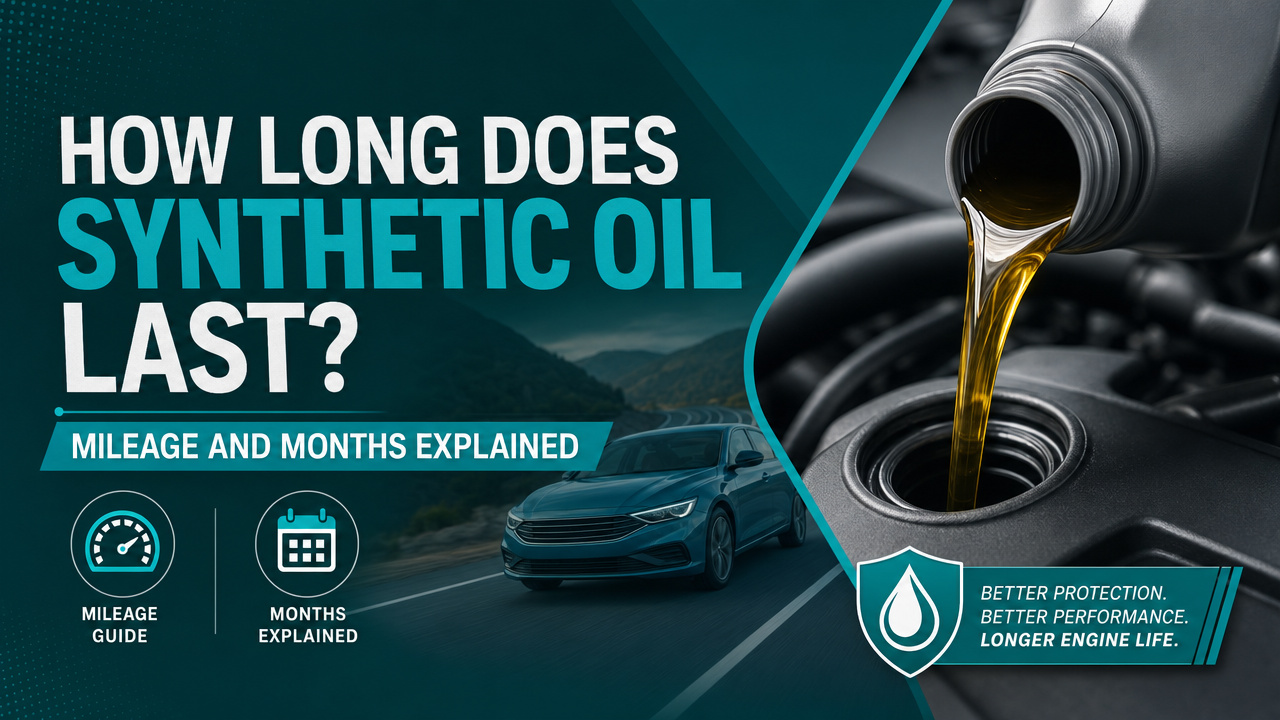
In these scenarios, time is the limiting factor, not mileage. Oil should be changed seasonally regardless of the odometer reading. Fresh oil ensures the acid-neutralizing additives are potent enough to protect the engine during storage.
Dirt bikes and dual-sports operate in dirty environments. Silica (dust) that makes it past the air filter ends up in the oil. Silica is harder than steel and causes rapid cylinder wear. Frequent changes are the only defense.
For a rugged machine like the KLR 650, the oil change kit usually includes a new filter and crush washer. Do not skip the filter change. A clogged filter triggers the bypass valve, circulating unfiltered, dirty oil through the engine.
Thermal breakdown occurs when the oil exceeds its flash point or oxidizes rapidly. When oil overheats, it creates sludge and varnish. Varnish coats internal surfaces, restricting heat transfer and stickying piston rings.
Synthetic oils generally possess much higher flash points (often exceeding 450°F) compared to mineral oils. This thermal headroom is vital for air-cooled engines sitting in traffic on hot summer days.
If an oil's flash point is too low, it will vaporize. This contributes to high oil consumption. You might find the oil level dropping inexplicably between rides. This is often due to the volatile light ends of the oil boiling off.
Top-tier oils exhibit low Noack Volatility scores. This means the oil stays liquid at high temperatures rather than turning into a vapor that gets ingested through the crankcase ventilation system.
The transmission gears face immense surface pressure. Under load, the oil film must prevent the gear teeth from welding together microscopically. When the oil creates a barrier, it prevents pitting, which is the flaking off of metal from the gear surface.
Extreme Pressure (EP) additives assist here, but they must be non-corrosive to yellow metals. Many motorcycle bushings are made of bronze or copper. Automotive gear oils often use sulfur additives that attack these yellow metals, making them unsuitable for shared sumps.
The owner's manual provides the baseline viscosity and API rating. However, manufacturers usually list the minimum requirement. Exceeding these standards with a high-quality synthetic provides better protection than the bare minimum.
Warrenty concerns often drive riders to use OEM branded oils. While acceptable, aftermarket specialists often produce superior fluids that meet or exceed the OEM specifications (JASO MA2, API SN).
Manufacturer charts usually suggest viscosity ranges based on ambient temperature. A 10W-30 might be recommended for cool weather, while a 20W-50 is preferred for tropical heat. Ignoring these ambient temperature charts can lead to startup wear or high-temperature failure.
A heavy V-Twin like a 2014 Street Glide requires oil that can handle heat soak. Using a thin oil in high ambient temps results in low oil pressure at idle, triggering warning lights and potential bearing damage.
A persistent myth suggests synthetics cause leaks. In the past, early synthetic formulations lacked seal swell agents, causing older cork or neoprene seals to shrink. Modern synthetics are formulated to be seal-compatible.
If a switch to synthetic reveals a leak, the leak was likely already there. The mineral oil sludge was simply plugging the gap. Cleansing the engine with high-detergent synthetic removed the sludge, exposing the mechanical fault.
To determine the best oil for motorcycles in your specific garage, evaluate your riding style. A racer needs maximum shear stability and low friction. A tourer needs acid neutralization and longevity. A commuter needs cold-start protection.
Invest in fully synthetic, JASO MA2 rated lubricants from reputable chemical engineering companies. Verify the viscosity matches your climate and engine clearances. The cost difference between budget oil and premium oil is negligible compared to the cost of an engine rebuild.