Before adding transmission fluid, gather a clean funnel, lint-free rags, nitrile gloves, a flashlight, and a fluid transfer pump if your vehicle has a sealed automatic transmission. Keep a drain pan ready in case of spills around the transmission pan fill hole.
Selecting the right transmission fluid is non-negotiable. Check your owner's manual for the recommended transmission fluid specification, whether Dexron VI, Mercon V, CVT fluid, or a multi vehicle ATF formulation. Mixing incompatible fluids can cause transmission slippage, foaming, and accelerated wear.
For modern automatic gearboxes, a full synthetic ATF delivers superior thermal stability, oxidation stability, and anti wear additives. Manual transmission lubricant typically follows API GL-4 vs GL-5 gear oil grades. Heavy duty transmission fluid such as Allison TES 295 equivalent suits commercial vehicle transmission oil applications.
Key selection factors include:
On rear-wheel-drive vehicles, the transmission dipstick location is usually near the firewall, behind the engine. Front-wheel-drive cars often place it near the front of the engine bay, marked with a bright yellow or red handle.
Sealed transmission no dipstick designs use a side-mounted transmission fill plug on the transmission pan or case. You typically need to raise the vehicle to access it. Consult your service manual for exact placement and torque specs.
If you cannot find a dipstick, your vehicle likely has a sealed automatic transmission. These require filling a transmission without a dipstick using a pump through the fill plug while the engine runs at a specific operating temperature.
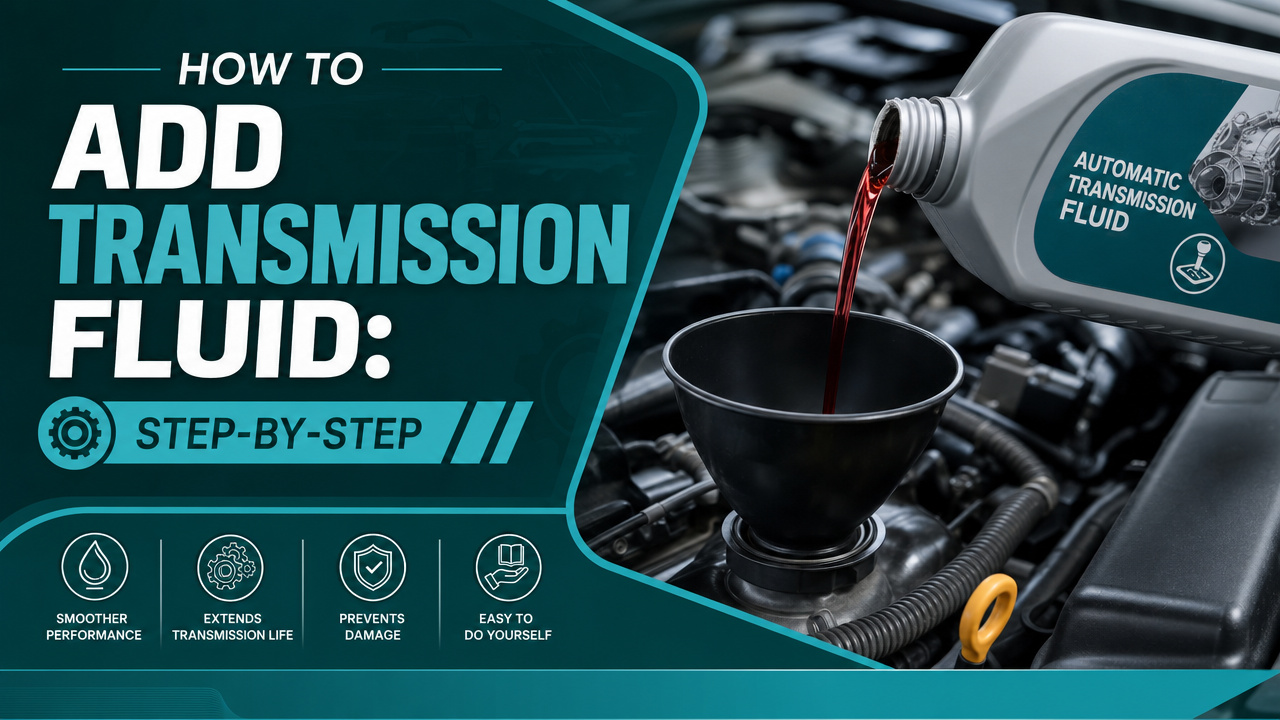
This step by step ATF service applies to most older automatics and any dipstick style transmission. Follow the sequence precisely for accurate fluid level readings and proper transmission lubrication.
Always check automatic transmission fluid hot or cold according to your manual. Most readings are accurate only when warm. Measuring ATF level accurately prevents both underfilled transmission consequences and overfill damage.
Sealed units require a different procedure for how to top up ATF. You will need a fluid transfer pump for ATF and access to the side fill plug. The vehicle must be level, often raised on a four-post lift or jack stands.
Procedure for how to pump fluid into a sealed transmission:
This is the standard method for how to check sealed transmission fluid level and replenish transmission fluid in modern vehicles. Choosing the right lubricant for sealed transmissions is critical because these systems run hotter and demand high performance ATF with long drain interval capability.
Fluid capacity varies by vehicle. A typical top-up requires between half a quart and two quarts. A complete refill after a pan drop runs 4 to 7 quarts, while a full flush may need 10 to 14 quarts depending on the automotive transmission design.
To determine how many quarts of transmission fluid your vehicle needs:
For a simple top-up, add fluid incrementally. Never dump in a full quart blindly. Small additions protect against overfill and keep the lubrication system balanced for smooth shifting and proper gear engagement.
Overfilling causes the rotating internals to whip the fluid into foam. Aerated ATF loses its ability to transmit hydraulic pressure, leading to erratic shifts, slippage, and accelerated wear of clutches and bands.
Overfilled transmission fluid symptoms include:
If you suspect too much fluid, drain the excess immediately. On dipstick models, use a fluid extraction pump through the dipstick tube. On sealed units, briefly loosen the fill plug at the correct temperature and let surplus drain until it stops flowing steadily.
Verifying transmission fluid level demands attention to temperature, vehicle position, and gear selector state. Skipping these steps produces false readings and risks both underfilling and overfilling.
Standard transmission fluid level check procedure:
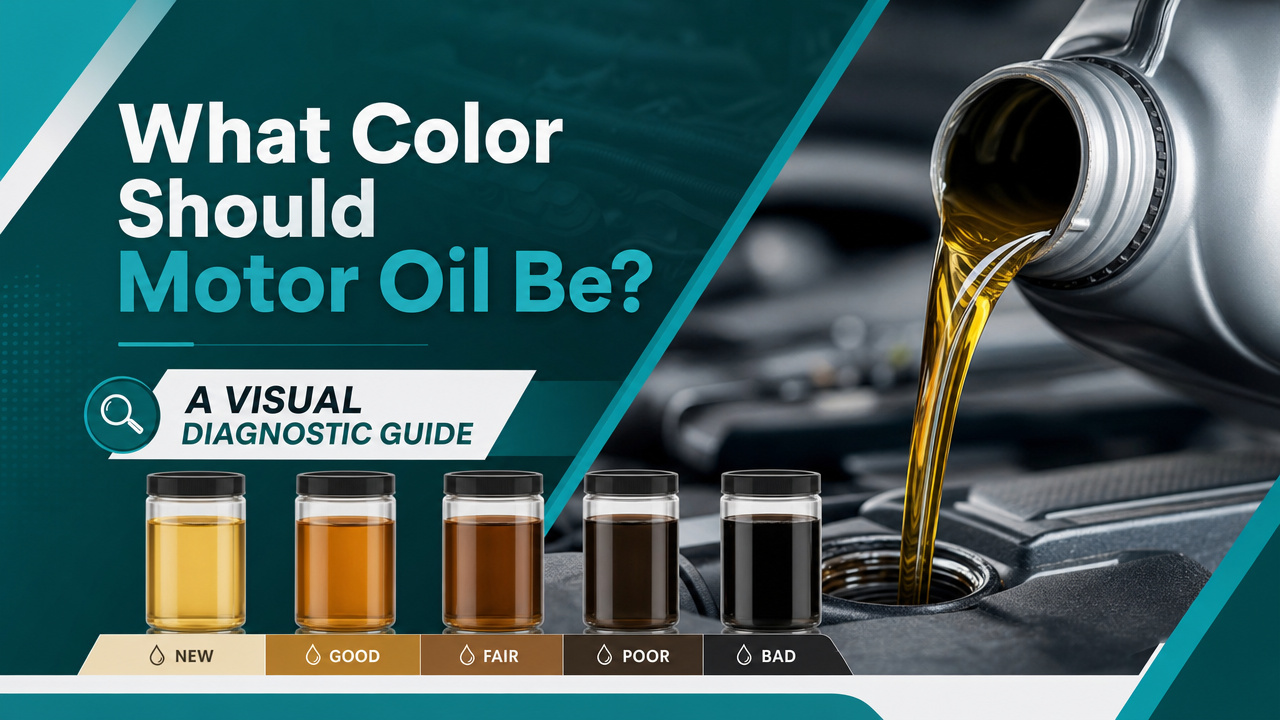
Inspect fluid color and condition during every check. Healthy ATF appears bright red or amber and smells mild. Dark brown, black, or burnt-smelling fluid signals transmission sludge and indicates a fluid change rather than a top up is needed.
Signs of low transmission fluid include delayed shifts, slipping under load, and unusual noises. Catching these early through routine check and add transmission fluid sessions extends gearbox protection and supports fleet transmission maintenance schedules.
For premium transmission oil that meets lubricant manufacturing standards and transmission oil specifications for passenger car transmission oil, heavy equipment transmission, and off highway transmission fluid applications, explore the full range of advanced friction control formulations from Armor Lubricants. Buying premium ATF online ensures consistent quality and proven OEM approval for your next transmission fluid refill.