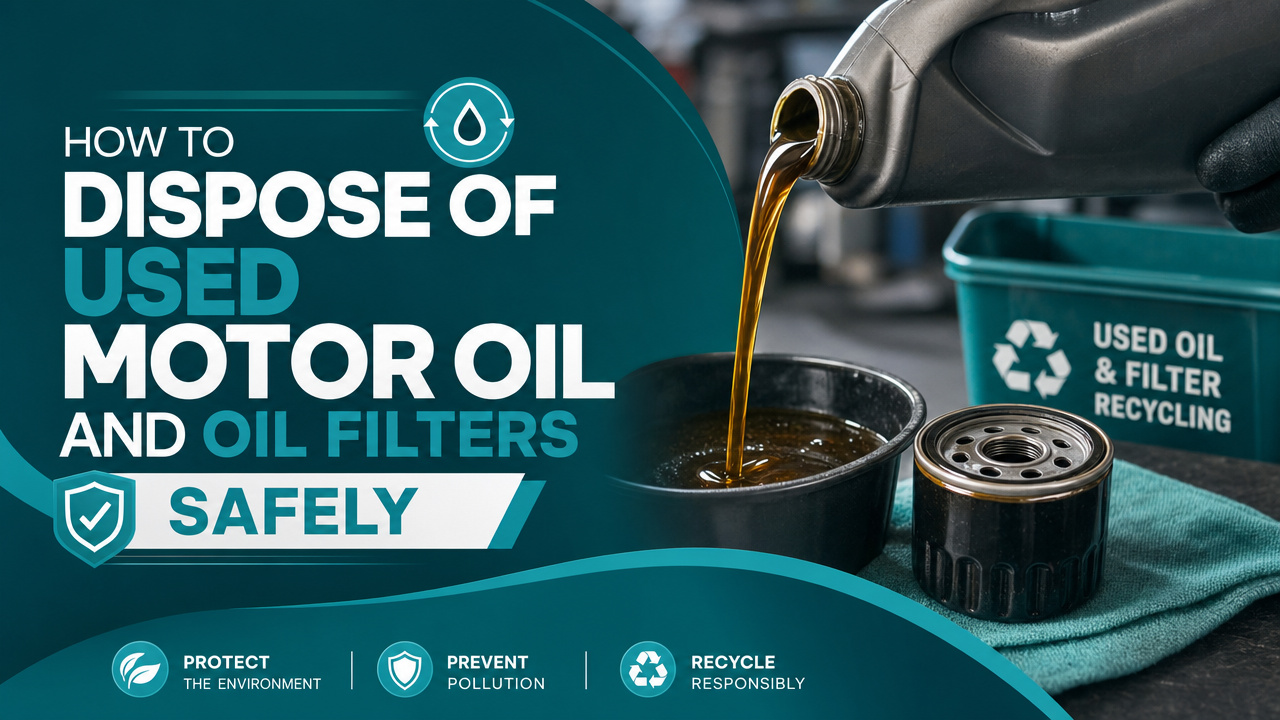
Used motor oil and spent filters are classified as hazardous automotive waste. A single gallon of improperly discarded oil contaminates one million gallons of fresh water. Whether you're a DIY mechanic or managing a commercial fleet, proper used motor oil disposal protects ecosystems, complies with EPA used oil regulations, and supports the re-refining industry that recovers valuable base oil from automotive waste fluids.
Used engine oil collects engine sludge and deposits, heavy metals, and combustion byproducts during service. These contaminants make it unsafe for casual disposal but recoverable through proper recycling channels. The wear protection additives, thermal stability compounds, and friction modifiers remain partially intact, making the fluid valuable for re-refining.
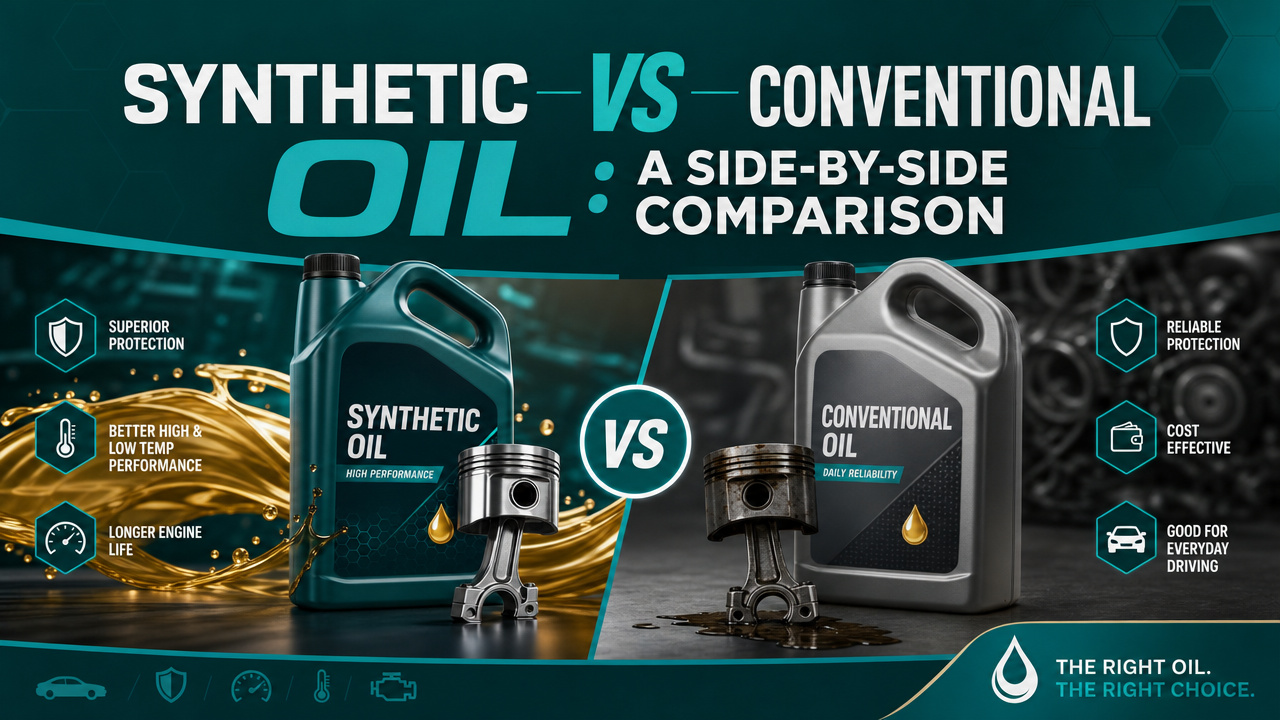
Both synthetic and conventional oils carry the same disposal requirements. Premium synthetic oil waste, long drain oil disposal from extended service intervals, and standard mineral oil all enter the same used oil collection stream. Mixing them during recycling is acceptable, but cross contamination with solvents, antifreeze, or fuel renders the batch unrecyclable.
Preparation prevents spills and contamination. Gather these items before starting any oil change or lubrication system fluid extraction:
Warm engine oil flows faster due to lower viscosity. Run the engine for two to three minutes before draining warm engine oil to achieve complete evacuation from the crankcase, oil galleries, and filter housing.
Store used oil before disposal in leak-proof containers away from heat, ignition sources, and storm drains. NFPA guidelines recommend storage areas with secondary containment for volumes exceeding 55 gallons. Never use containers that previously held bleach, antifreeze, or chemicals.
Finding a designated used oil collection center near you is straightforward. Most communities offer multiple drop-off points that accept passenger car motor oil waste at no charge.
Call ahead to confirm acceptance of synthetic blends, heavy duty diesel oil, and industrial fluids. Earth911.com and the API used oil collection locator provide ZIP-code based searches for motor oil recycling drop off facilities.
Oil filters retain up to 10 ounces of residual oil even after engine shutdown. Used oil filter disposal requires draining before transport.
Puncture the oil filter dome with a screwdriver or dedicated filter crusher. Invert the filter over your drain pan for a minimum of 12 hours, or 24 hours for thicker SAE 15W40 conventional diesel motor oil. This ensures complete residual oil drainage.
Place drained filters in a sealed plastic bag and take them to the same facility accepting your used oil. Most auto parts stores accept filters alongside fluid drop-offs. Commercial shops use filter crushers that recover oil and prepare metal housings for scrap steel recycling.
Oil-soaked shop rags pose spontaneous combustion risks if stored improperly. Place them in a metal container with a tight-fitting lid, partially filled with water, until disposal day.
Oil spill absorbents — clay granules, pads, or socks — are classified as hazardous waste once saturated. Bag them separately and deliver to a hazardous waste collection facility. Never mix absorbents with general trash or recyclables.
Improper disposal violates federal EPA regulations and most state environmental codes. Penalties for industrial oil disposal violations range from $10,000 to $70,000 per day under RCRA enforcement.
Commercial fleet oil management and heavy equipment oil extraction generate volumes exceeding household limits. Operations producing more than 25 gallons monthly must register as used oil generators with state environmental agencies.
Licensed haulers collect bulk used oil, hydraulic oil from recycling facilities, ISO VG 68 industrial oil, used transmission fluid, and compressor oil. Maintain manifests documenting volume, hauler ID, and destination facility for three years minimum.
Segregate fluid streams when possible. While mixing engine oils is acceptable, keeping hydraulic oil, gear oil, and metalworking fluids separate improves recycling yields and reduces processing costs.
Yes. Re-refiners accept synthetic, semi-synthetic, and mineral oils in the same collection stream. The re-refining process strips additives, water, and contaminants regardless of base stock origin. Dexos-approved oils, ACEA C3 long drain formulations, and API SP engine oils all process identically.
The critical rule is preventing cross contamination with non-petroleum fluids. Antifreeze, brake fluid, solvents, or water in the collection container can render an entire tanker load unsuitable for re-refining and route it to lower-value fuel blending instead.
Recycled used motor oil follows one of three paths after collection:
Re-refined base oil meets the same API and OEM specifications as virgin oil, including MB approval and Volvo VDS standards. One gallon of used oil yields 2.5 quarts of new lubricant, while 42 gallons of crude oil produce only 2.5 quarts. This efficiency makes recycling used motor oil among the highest-value recovery streams in petroleum.
Not every automotive lubricant follows standard used oil channels. These fluids need specific disposal routes:
Properly managed used oil disposal prevents groundwater contamination, protects aquatic ecosystems, and reduces demand for virgin crude extraction. Anti-wear additives, anti-rust compounds, and anti-foam agents that enter waterways disrupt aquatic life and persist in sediments for decades.
Choosing premium lubricants like Armor Lubricants for your equipment is only half the commitment to engine protection. Selecting the right oil and recycling it responsibly completes the lifecycle — supporting circular economy principles while keeping your operations compliant with environmental protection guidelines.
Is heavy duty diesel engine oil considered hazardous waste? No, used motor oil is regulated separately under EPA used oil management standards, not as hazardous waste, provided it isn't mixed with hazardous substances.
How long should you drain an oil filter before disposal? Minimum 12 hours after puncturing the dome, 24 hours for cold-weather drainage.
Can auto parts stores refuse used oil? Yes, if the oil shows contamination, exceeds the 5-gallon limit, or arrives in unacceptable containers.
Does synthetic oil require special disposal? No, synthetic and conventional oils share the same recycling stream.
Responsible used lubricant disposal takes minimal effort but delivers substantial environmental and economic returns. Drain carefully, store securely, transport to certified collection points, and let the recycling infrastructure convert your waste oil back into the high-performance lubricants that keep engines running.