Power steering fluid keeps your hydraulic steering system responsive, lubricated, and protected against wear. Picking the wrong type can damage seals, pumps, and gearboxes within months. This guide breaks down fluid types, color codes, and selection criteria so you can match the right power steering lubricant to your vehicle with confidence.
Power steering fluid is a hydraulic medium that transfers force from the steering wheel to the steering gear box. It pressurizes the system, enabling smooth steering performance with minimal driver effort. Without it, modern rack and pinion systems would be nearly impossible to operate.
Beyond pressure transfer, this fluid handles steering system lubrication for the pump, valves, and pistons. It provides pump wear protection, anti-foam properties, and corrosion protection, keeping internal components free from rust and cavitation damage.
Quality automotive power steering fluid also maintains seal compatibility to prevent leaks, resists oxidation under heat, and stays stable across wide temperature ranges. A premium steering lubricant directly impacts steering response, pump longevity, and overall hydraulic system protection.
Not all power steering fluids are interchangeable. Each formulation targets specific viscosity grades, additive packages, and OEM approval steering fluid standards. Using the wrong one shortens component life and voids warranties.
ATF-based power steering fluid uses automatic transmission fluid chemistry, including Dexron ATF and Mercon ATF specifications. Many domestic vehicles, especially older Ford, GM, and Chrysler models, run on this red-tinted fluid for friction reduction and consistent flow.
The difference between ATF and dedicated power steering fluid lies in additive blends. ATF carries friction modifiers designed for clutch packs, while pure power steering oil focuses on anti-wear and anti-foam additives. Always check your owner's manual before substituting.
Synthetic power steering fluid offers superior thermal stability, oxidation stability, and low temperature steering performance. Full synthetic power steering fluid resists fluid degradation longer than mineral base power steering fluid, making it ideal for high mileage power steering systems and heavy duty applications.
Semi synthetic power steering fluid blends mineral and synthetic base oils, balancing cost and performance. For fleet power steering maintenance, extended drain steering fluid intervals make synthetic options more economical despite the higher upfront price.
Many European vehicle steering fluid requirements demand Pentosin power steering fluid, particularly CHF 11S fluid for BMW, Audi, Volvo, and Mercedes. This green hydraulic steering fluid carries unique additive chemistry incompatible with ATF.
Honda power steering fluid is amber and formulated exclusively for Honda and Acura systems. Asian vehicle steering fluid often follows similar exclusivity rules. Mopar power steering fluid serves Chrysler, Dodge, Jeep, and Ram applications with specific seal swell characteristics.
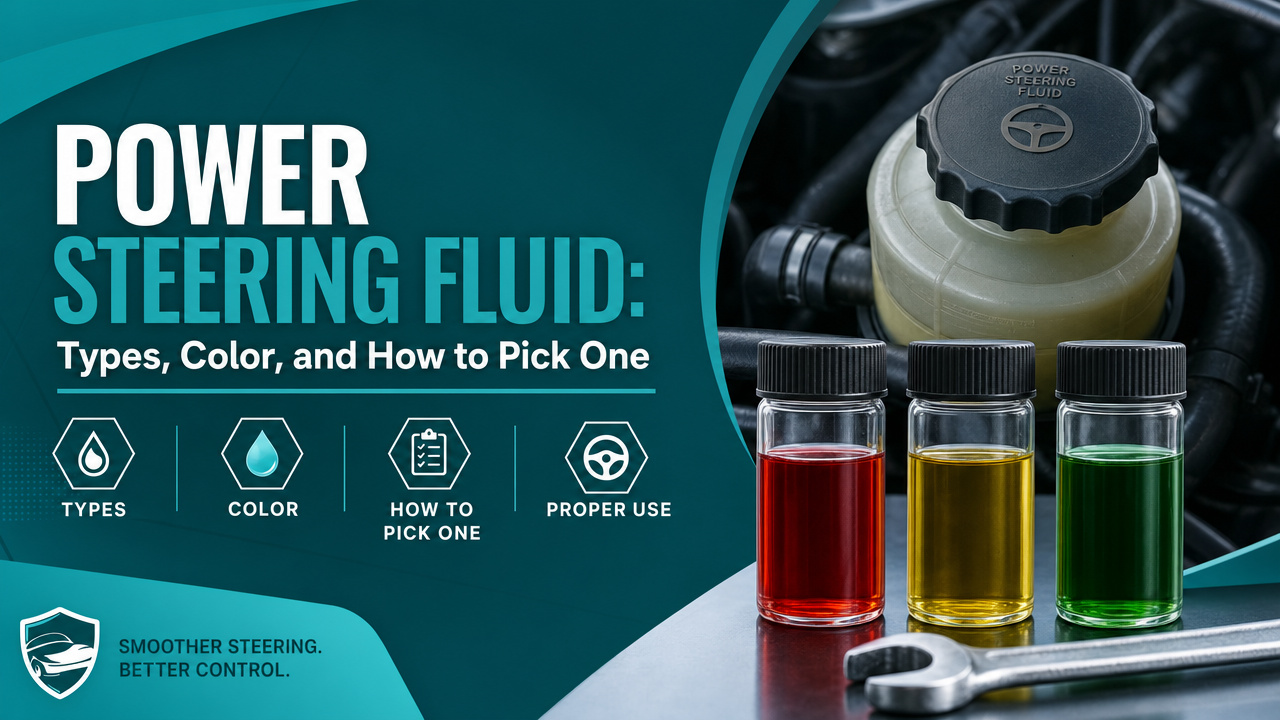
Fresh power steering fluid color varies by formulation. Knowing what color power steering fluid should be helps you identify contamination, mixing errors, or fluid degradation during routine inspections.
Is red power steering fluid normal? Yes, when your vehicle specifies ATF. If your system calls for green Pentosin and you see red, something is wrong. To check power steering fluid color, pull the dipstick, wipe it clean, and compare against a fluid color chart in good lighting.
Bad power steering fluid color signals contamination or internal damage. Dark brown power steering fluid indicates oxidation and heat stress. The additive package has broken down, reducing anti-wear and corrosion protection.
Black steering fluid means severe contamination, often combined with a burnt power steering fluid smell. This points to overheated seals, sludge and deposits forming inside the pump, and potential cavitation damage. Why is your power steering fluid black? Extended service intervals, leaks pulling in air, or pump failure are common causes.
Watch for these power steering fluid warning signs:
When you spot any of these signs, schedule a power steering flush. The typical power steering flush interval falls between 50,000 and 75,000 miles, though severe service shortens that window.
The owner's manual is the single source of truth for power steering fluid selection. It lists the exact specification, viscosity grade, and OEM approval needed. Cross-reference with the reservoir cap, which often shows the required fluid type.
What type of power steering fluid do you need? Match these criteria when choosing the right oil for steering:
For European cars, stick with Pentosin or an approved equivalent. For Japanese vehicles, use the Honda genuine fluid equivalent or Toyota/Nissan-specific formulas. Domestic power steering fluid typically aligns with Dexron or Mercon ATF unless the manufacturer specifies otherwise.
Is it safe to mix power steering fluids? No. Mixing incompatible chemistries causes additive clash, seal swelling, and foaming. If you've topped off with the wrong fluid, perform a complete flush before damage spreads.
What happens if you use the wrong power steering fluid? Expect pump cavitation, hardened seals, leaks, sluggish steering response, and eventual pump failure. The cost of replacement far exceeds the price of the correct lubricant for power steering.
Stuck with a low reservoir and no time to source the exact fluid? A power steering fluid substitute can get you to the next service station, but it's a short-term fix only.
Can you use automatic transmission fluid for power steering? In most domestic vehicles that already specify ATF, yes. For European or Japanese vehicles requiring Pentosin or Honda fluid, ATF is not a safe substitute and will damage seals quickly.
Emergency power steering fluid options ranked by safety:
Once you reach a service location, flush the system and refill with the recommended oil for power steering. Never let emergency substitutes become permanent solutions.
For fleet operators, bulk buyers, and workshops sourcing automotive specialty fluids, partnering with a trusted automotive steering fluid manufacturer ensures consistent quality, OEM-compliant formulations, and reliable supply for heavy equipment power steering fluid demands. Armor Lubricants delivers high performance fluid solutions engineered for passenger car fluid applications and heavy duty power steering fluid requirements across global markets.