Maintaining a vehicle beyond the 75,000-mile mark requires a shift in lubrication strategy. While standard synthetic or conventional oils serve new engines well, the physical degradation of internal components necessitates specialized chemistry. High mileage lubricants are engineered with specific additives that address the unique challenges of aging powerplants.
Transitioning to a 5W30 high mileage formulation is not merely a suggestion based on an odometer reading. It is a preventative and corrective measure designed to extend the service life of the engine. Understanding the biochemical and mechanical reasons for this switch ensures that your internal combustion engine remains efficient and protected against premature failure.
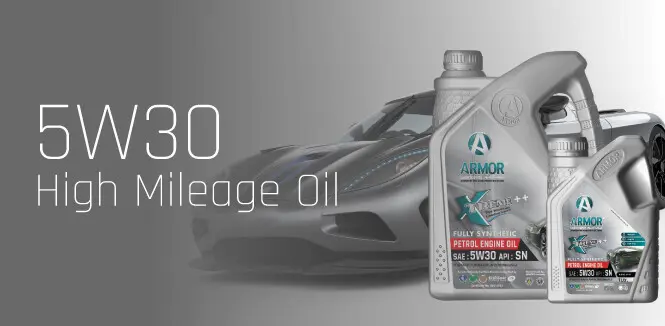
The 5W30 grade offers a balanced viscosity profile, providing adequate flow during cold starts while maintaining a robust film strength at operating temperatures. When combined with high-mileage-specific additives, this oil becomes a critical tool for any fleet owner or private driver looking to maximize their investment.
One of the most immediate indicators that your vehicle requires a high mileage formulation is the presence of external oil leaks. As engines age, the elastomers used in gaskets and seals begin to lose their elasticity. This process, known as compression set, causes the seals to shrink, harden, and eventually crack, allowing lubricant to escape.
Standard motor oils do not possess the chemistry required to interact with these aging materials. High mileage 5W30 oils contain seal conditioners—specialized esters that penetrate the seal material. These chemical agents cause the seals to swell slightly and regain flexibility, effectively plugging small gaps and preventing further leakage.
Reducing leaks is not just about keeping your driveway clean. Persistent oil loss can lead to low lubricant levels, which increases thermal stress on the remaining oil. By utilizing a high-mileage-specific product, you proactively manage seal health and reduce the need for expensive mechanical gasket replacements.
Seals are subjected to constant thermal cycling—expanding when the engine is hot and contracting when it cools. Over thousands of miles, this cycle, combined with exposure to blow-by gases and oxidized oil, chemically alters the rubber compounds. The result is a brittle material that can no longer maintain a tight interface between metal surfaces.
Seal conditioners are active additives designed to rejuvenate hardened elastomers. They work by re-introducing plasticizers into the seal material, which restores a degree of the original pliability. This chemical reaction is particularly effective on valve cover gaskets and oil pan seals, which are common failure points in older vehicles.
Internal oil consumption is a subtle sign of engine wear that often goes unnoticed until the dipstick shows a significant drop. In older engines, the clearance between the piston rings and the cylinder walls increases due to mechanical friction. This allows oil to bypass the rings and enter the combustion chamber, where it is burned off.
High mileage 5W30 oils are formulated with a slightly higher "burn-off" resistance and improved viscosity index improvers. These features help the oil maintain its thickness even under high heat, reducing the amount of lubricant that can slip past worn components. This is a crucial step in maintaining car engine oil quality and performance.
Excessive oil consumption also leads to the formation of carbon deposits on spark plugs and valves. When oil burns in the combustion chamber, it leaves behind ash and residue that can cause pre-ignition or reduced fuel economy. Switching to a high-mileage variant helps mitigate these issues by keeping the oil where it belongs: in the lubrication galleries.
Volatility refers to the tendency of the oil to evaporate under high temperatures. As an engine wears, it often runs hotter due to increased internal friction. Standard oils may evaporate more quickly under these conditions. High mileage formulations use base oils with lower Noack volatility ratings to ensure the lubricant remains liquid and functional.
While some drivers attempt to use a much heavier oil to stop consumption, this can lead to poor flow during cold starts. A 5W30 high mileage oil provides the correct flow characteristics (5W) while using specialized additives to mimic the sealing properties of a heavier oil at operating temperatures, providing a safer solution for choosing the right vehicle engine oil.
As the clearances between moving parts like camshafts, bearings, and lifters increase, the protective oil film may struggle to cushion the impact. This results in audible "ticking" or "knocking" sounds, especially during a cold start or at idle. These sounds indicate that the metal-to-metal contact is occurring because the lubricant film is too thin.
High mileage 5W30 oils often feature boosted levels of anti-wear additives, such as Zinc Dialkyl Dithiophosphate (ZDDP). These additives create a sacrificial layer on metal surfaces, providing an extra level of protection when the fluid film is breached. This is vital for maintaining engine lubrication for fleet owners' vehicles where downtime is costly.
Furthermore, these oils include friction modifiers that smooth out the interaction between worn surfaces. By reducing the coefficient of friction, the oil not only quiets the engine but also reduces the heat generated by mechanical movement. This leads to a smoother-running engine and a noticeable reduction in rhythmic mechanical noise.
In older engines, the oil may drain back into the pan more quickly after the engine is turned off, leaving upper engine components dry. High mileage oils are designed with better "cling" properties, ensuring that a residual film remains on critical parts like the valvetrain to prevent wear during the first few seconds of operation.
Friction modifiers are polar molecules that attach themselves to metal surfaces. They act like microscopic ball bearings, allowing metal parts to slide over one another with minimal resistance. In a high-mileage engine, where surfaces may already be scarred or pitted, these modifiers are essential for preventing further catastrophic engine failure causes.
Seeing blue-tinted smoke from the tailpipe is a definitive sign that oil is being burned in the combustion process. This usually happens when oil leaks through worn valve stem seals or past piston rings. While it might seem like a minor aesthetic issue, burning oil can quickly poison the catalytic converter, leading to expensive emissions system failures.
Using a high mileage 5W30 oil can significantly reduce this smoke. The seal conditioners help tighten the valve stem seals, which are the most common culprits for blue smoke upon startup. By restoring the seal's integrity, the oil prevents it from seeping into the cylinders while the car is parked.
Additionally, the improved thermal stability of high mileage formulations means the oil is less likely to break down and turn into smoke when it encounters the hot surfaces of the exhaust valves. This proactive approach to lubrication is a key part of oil change and car maintenance for any high-performance or aging vehicle.
Yes, the color of exhaust smoke provides critical diagnostic information. White smoke typically indicates coolant entering the combustion chamber, while black smoke suggests a rich fuel mixture. Blue smoke is specifically tied to oil consumption, signaling that the engine’s internal sealing is compromised and requires the assistance of high mileage synthetic oil secrets.
While it cannot "fix" a broken converter, it can prevent one from failing prematurely. By reducing the amount of oil ash that reaches the exhaust stream, high mileage oil keeps the precious metal catalysts inside the converter clean and functional for a longer period.
Yes, engine oil has a shelf life. Over time, the additives in the oil can settle or degrade, especially if the container has been opened and exposed to moisture. Generally, most synthetic and conventional oils are rated for a shelf life of three to five years if stored in a cool, dry place. For more details, see does motor oil go bad.
To check the oil condition, pull the dipstick and wipe it on a clean white cloth. If the oil is dark black and gritty, it is saturated with contaminants and needs changing. If it looks milky, there may be coolant contamination. Healthy oil should be amber or light brown and transparent. Frequent checks are part of best time to change engine oil protocols.
Yes, you can add oil to a hot engine, but it is safer to let it cool for a few minutes first. Adding cold oil to an extremely hot engine could theoretically cause thermal shock, though this is rare. The primary concern is the risk of burns from hot engine components or splashing oil. Always check the level when the engine is warm but not immediately after a long drive.
Never pour used motor oil down the drain or into the soil. It must be taken to a certified recycling center or an auto parts store that accepts used lubricants. Proper disposal is a critical environmental responsibility. You can find more information on how to properly dispose of and recycle used motor oil.
In most modern engines, 5W30 is preferred because it provides better flow at low temperatures while offering the same protection as 10W30 at operating temperatures. However, you should always consult your owner's manual. High mileage versions of both grades are available, but 5W30 is often the versatile all-season choice.
Most experts recommend switching to high mileage oil once your vehicle surpasses 75,000 miles. However, if your engine is running perfectly with no leaks or consumption, you can wait longer. The switch is most beneficial when you start seeing the "4 key signs" mentioned in this article.
When selecting a 5W30 high mileage oil, ensure it meets the latest API (American Petroleum Institute) standards, such as API SP or SN Plus. These certifications guarantee that the oil has passed rigorous tests for deposit control, wear protection, and LSPI (Low-Speed Pre-Ignition) prevention in turbocharged engines.
It is also beneficial to look for oils that utilize high-quality base stocks. Synthetic high mileage oils offer superior performance over conventional options, especially in extreme temperature ranges. They provide better resistance to oxidation, which is vital for older engines that may generate more internal heat.
By paying attention to the signs—leaks, consumption, noise, and smoke—and responding with the correct lubrication technology, you can significantly extend the life of your vehicle. High mileage oil is an affordable, effective way to maintain engine health and avoid the high costs of premature mechanical repairs.