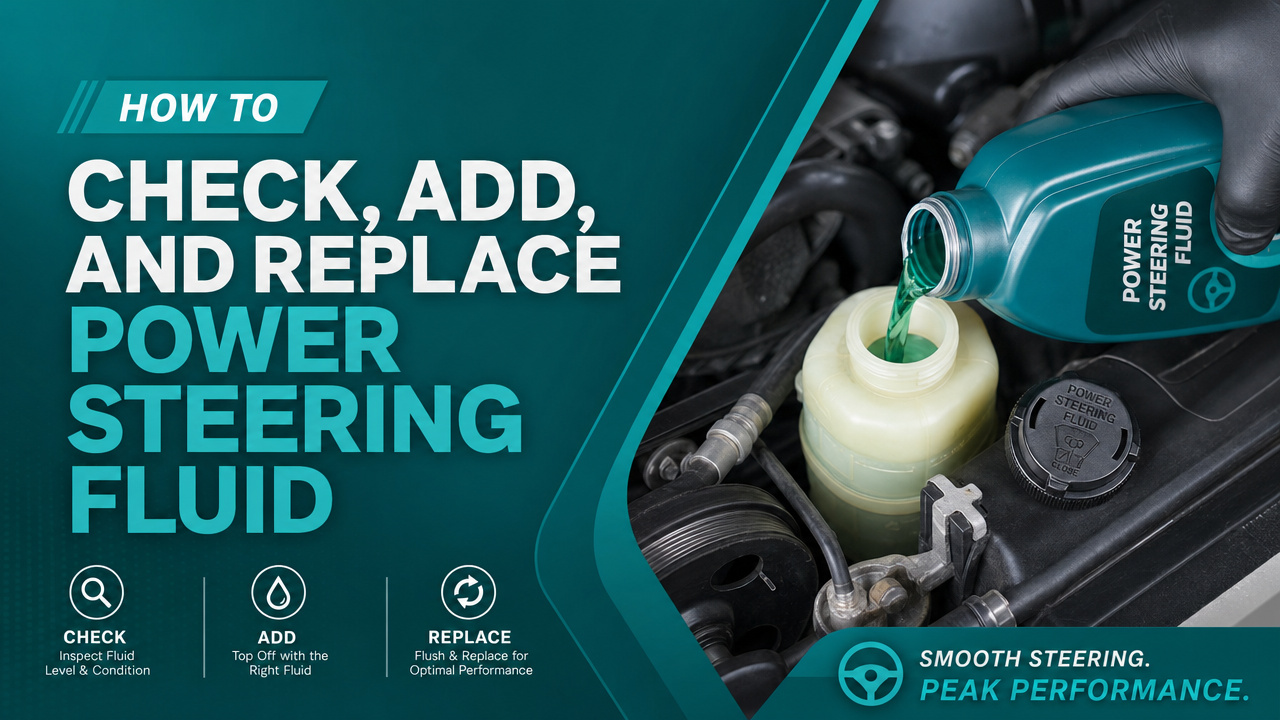
Checking your power steering fluid takes less than two minutes and prevents pump damage. Park on level ground, let the engine cool, and pop the hood. Locate the steering fluid reservoir, usually marked with a steering wheel icon on the power steering cap.
Wipe the cap clean before removing it to keep contaminants out of the hydraulic system. Most reservoirs have dipstick marks for "Cold" and "Hot" levels, or "Min" and "Max" indicators on translucent plastic. Read the level against the correct temperature mark.
If you're wondering how to check steering fluid accurately, run the engine for a few minutes if your reservoir uses hot-side marks. Turn the steering wheel lock to lock twice to circulate fluid, then shut the engine and recheck.
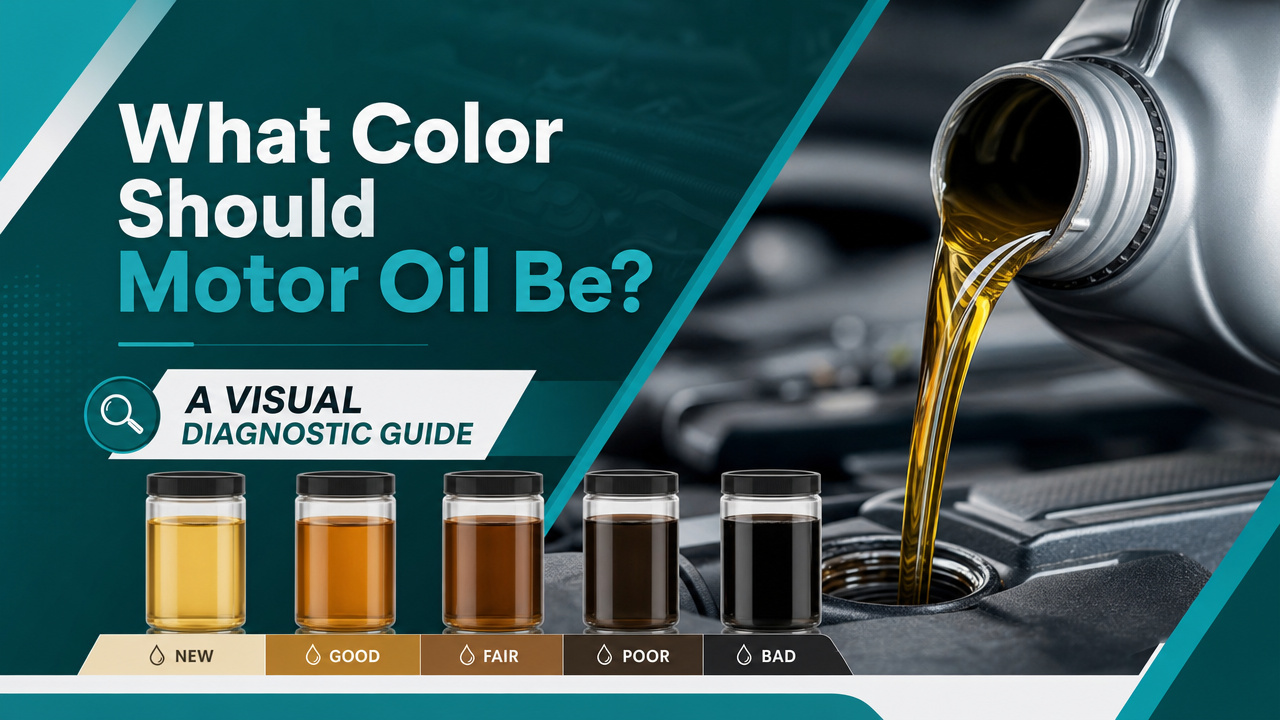
Inspect the fluid's condition while you're there. Healthy fluid appears amber, pink, or clear depending on the formulation. Burnt power steering fluid smells acrid and looks dark brown or black, signaling oxidation and the need for a full power steering fluid flush.
Low power steering fluid causes steering wheel whining, heavy steering, and pump cavitation. Topping up restores hydraulic pressure and protects the steering pump from premature wear. Always confirm the recommended power steering fluid in your owner's manual before adding.
Common specifications include Dexron III power steering, CHF 11S fluid, CHF 202, and CHF 7.1 central hydraulic fluid. European vehicles typically require synthetic power steering fluid meeting OEM spec steering fluid standards. Asian vehicle power steering fluid often uses proprietary blends. Mixing incompatible fluids damages seals.
Never exceed the maximum mark. Overfilled power steering fluid expands when hot and can rupture seals or vent through the cap. If you can't identify which power steering fluid to use, choose a premium power steering fluid with broad OEM approval rather than guessing.
Replacing power steering fluid removes oxidized fluid, metallic debris, and degraded additives. Two methods exist for power steering fluid replacement. The turkey-baster method offers a quick refresh, while a full drain via return line completely flushes the system.
This power steering fluid drain and fill technique removes about 60 percent of the old fluid over several cycles. It's ideal for routine power steering fluid maintenance when the fluid hasn't fully degraded.
For a complete flush steering rack and pump, disconnect the power steering return line at the reservoir. This power steering bleeding procedure removes nearly all old fluid, including contaminants trapped in the rack and pinion.
Air bubbles cause pump whining, foaming, and inconsistent steering assist. Proper bleeding restores smooth hydraulic operation and prevents fluid aeration damage.
Power steering fluid capacity varies by vehicle. Most passenger cars hold between 0.7 and 1.0 liters in the entire hydraulic system, including the pump, lines, reservoir, and rack. Heavy duty trucks and fleet vehicles often require 1.5 to 2.0 liters.
For a simple top up, buy power steering fluid in a 500 ml bottle. For a complete power steering fluid exchange, purchase at least 1.5 to 2 liters to account for flushing losses. Tractor power steering fluid and industrial steering systems may require 3 to 5 liters or more.
Always check your owner's manual for exact capacity and viscosity grade requirements. Specifications include ISO VG ratings, SAE grades, and API specs that match the hydraulic oil designed for your steering gear protection needs.
The standard power steering fluid change interval falls between 50,000 and 100,000 kilometers, or every two to three years for most passenger cars. Heavy duty applications and fleet maintenance schedules typically demand shorter intervals due to higher thermal stress.
Synthetic vs mineral power steering fluid affects service life significantly. Full synthetic formulations offer superior oxidation stability, thermal stability, and anti wear performance, extending change intervals. Conventional mineral oil based fluids degrade faster under heat.
Change power steering fluid sooner if you notice:
Can you use ATF in power steering? Only if your manufacturer specifies it. Some older vehicles approve automatic transmission fluid for power steering use, particularly Dexron Mercon power steering applications. Modern vehicles with electro-hydraulic systems require dedicated fluid with specific seal swell agents and anti foam additives.
Overfilling creates real mechanical problems. Fluid expands as it heats during normal operation, and excess volume has nowhere to go. The result is pressure buildup that stresses seals, hoses, and the steering pump.
Common consequences of overfilled power steering fluid include:
If you've overfilled, remove excess fluid with a syringe or extractor until the level sits between the min and max marks. Check both hot and cold readings to confirm correct fill. This simple correction prevents costly repairs and protects steering rack components.
To extend power steering life and prevent steering pump failure, choose the right power steering fluid for your application. Armor Lubricants offers high performance fluid formulations engineered for friction reduction, wear protection, and long service intervals across passenger car, heavy duty, and industrial steering systems. The right lubricant keeps your hydraulic system operating quietly and efficiently for years.