
Counterfeit products have infiltrated the automotive sector, posing significant risks to vehicle health. Fraudsters continuously manufacture fake engine oil disguised as premium brands. Using this substandard lubricant leads directly to severe engine damage and costly repairs.
Protecting your engine requires vigilance before every oil change. Car owners must learn to spot fake engine oil to ensure optimal engine performance. Unverified products bypass rigorous API and SAE testing, leaving your high-quality engine vulnerable to friction and heat.
High-performance vehicles rely on specific oil formulas for proper combustion and lubrication. When you inadvertently refill with counterfeit engine oil, you introduce base oils lacking critical additives. Knowing how to differentiate genuine products from fake oil is your primary defense against mechanical failure.
Fake engine oil lacks the sophisticated additive packages found in genuine engine oil. Fraudsters typically use low-quality petroleum or recycled used oil, bypassing extensive R&D. This results in poor lubrication that accelerates cylinder wear. Check our guide on engine failure causes for more operational insights.
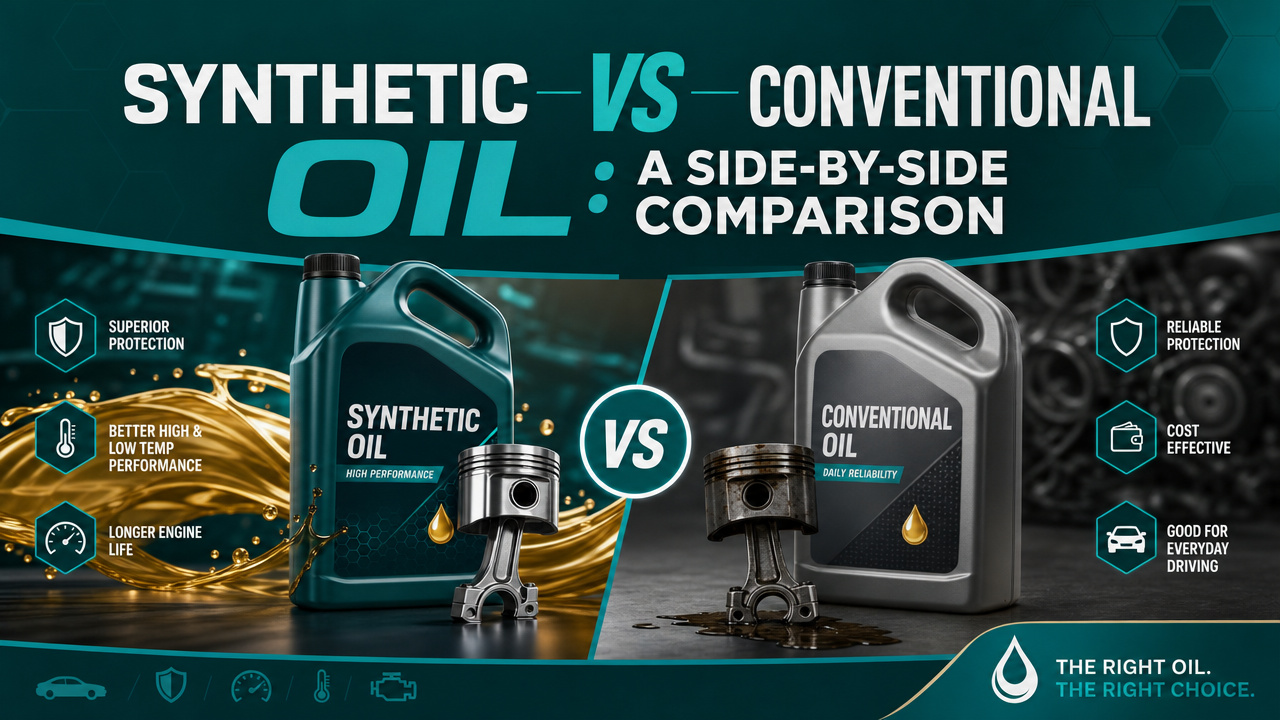
Synthetic engine oils contain precise chemical structures designed to withstand extreme heat. Counterfeit oil degrades rapidly under pressure, losing its specified viscosity grade. This rapid breakdown leaves moving parts without a protective film, drastically increasing internal friction and component wear.
Using fake oil can cause catastrophic engine failure in a remarkably short time. Contaminants within substandard oils create sludge, block oil filters, and restrict flow. Understanding the dangers of fake engine oil is essential for any proactive car owner looking to safeguard their investment.
Reputable manufacturers blend base oils with detergents, dispersants, and anti-wear agents. Counterfeiter operations ignore these formulations entirely, prioritizing visual similarity over chemical integrity. They bottle low-grade fluids that cannot handle modern combustion temperatures or adequately lubricate metal surfaces.
A fully synthetic engine requires absolute chemical consistency to operate efficiently. When fake oil enters the system, the lack of authentic synthetic components causes rapid oxidation. This chemical instability translates to immediate engine performance issues. Learn more about how engine oil works complete guide.
Substandard lubrication immediately impacts horsepower and torque output. Without the correct friction modifiers, the engine struggles to maintain optimal operating speeds. You will likely notice sluggish acceleration and poor fuel efficiency almost immediately after the oil change is completed.
Overheating is another rapid consequence of using counterfeit products. High-quality engine oil absorbs and dissipates heat effectively during operation. Fake engine oil traps heat, causing temperatures to spike. Read about car engine overheating to understand these severe mechanical risks.
The first line of defense is inspecting the physical container before purchase. Counterfeiters often reuse genuine bottles or create cheap replicas that lack structural integrity. A careful visual inspection can reveal signs of prior opening or obvious manufacturing defects.
Reputable brands invest heavily in high-quality packaging materials to prevent leaks and tampering. The plastic should feel robust, with uniform seams and precise molding. Flimsy containers or mismatched caps clearly indicate that the oil is counterfeit and should be rejected.
Always compare the new bottle alongside an older, verified container if possible. Look for subtle differences in the plastic texture, cap design, and overall dimensions. Many brands utilize proprietary bottle shapes that are difficult for unauthorized operations to duplicate perfectly.
Genuine bottles feature distinct manufacturing marks on the bottom, including recycling codes and production dates. Fake oil containers often have blurred or missing mold marks. Inspect these indentations closely, as they are a highly reliable indicator of the packaging origin.
The physical weight of the container can also expose a counterfeit. High-quality packaging combined with the exact volume of dense synthetic engine oil has a specific heft. Fraudsters frequently underfill bottles or use thinner plastic, resulting in a noticeably lighter product.
A factory seal is mandatory for all quality products from authorized dealers. Before pouring the new oil, remove the cap and examine the foil or plastic barrier. The seal should be tightly affixed, requiring deliberate force to puncture or remove completely.
Any signs of tampering, such as glue residue, uneven edges, or double seals, are massive red flags. Counterfeiters often struggle to replicate the precise heat-induction sealing methods used by major manufacturers. A loose or altered seal guarantees you are dealing with unverified fluid.
Printing labels is an area where fraudsters frequently make detectable mistakes. Genuine products feature high-resolution graphics, crisp text, and precise color matching. Counterfeit labels often appear washed out, pixelated, or slightly off-color compared to the original factory design.
Scrutinize the text for spelling errors, incorrect grammar, or unusual phrasing. Legitimate companies subject their packaging to rigorous quality control processes. A misspelled word or improper capitalization on a bottle of Liqui Moly or Mobil 1 is a guaranteed sign of forgery.
Pay attention to the alignment of the label on the bottle. Factory machines apply labels with perfect symmetry and zero bubbling. Misaligned stickers or peeling edges suggest the label was applied manually in a substandard counterfeiter facility without quality oversight.
The clarity of logos and technical diagrams must be flawless. Fake engine oil labels often have muddy or overlapping colors in intricate areas. If the API or SAE certification badges look blurry or digitally compressed, do not use the specific oil in your vehicle.
Check the typography used for the viscosity grade, such as 5w30 engine oil or 0w-20. Brands use proprietary fonts that are difficult to replicate exactly. Subtle variations in letter spacing can differentiate a fake. If you use 5W-40, check out understanding 5w-40 synthetic oil to spot specification inconsistencies.
Every genuine engine oil bottle features a unique batch number and production date. These are typically laser-printed or stamped directly onto the plastic, not just the label. Counterfeiters often print these numbers directly on the sticker or omit them entirely to save time.
Verify that the batch number formatting matches the manufacturer's standard convention. The ink used for these stamps should resist smudging and scratching. If you can easily rub off the production date with your thumb, the product is highly suspect and may be counterfeit.
Modern lubricant manufacturers incorporate advanced security features to safeguard their products. These technological barriers are specifically designed to be expensive and complex to reproduce. Familiarize yourself with the authentication methods used by your preferred brand to spot fakes quickly.
Many brands utilize proprietary holograms that shift color or display hidden images when tilted. A fake hologram often looks like a standard shiny sticker without depth or dynamic movement. Carefully inspect the hologram under bright light to verify its complex optical properties.
Mobile verification has become the industry standard for identifying genuine products. Manufacturers embed secure data within digital codes to allow consumers instant verification. Utilize these tools before completing your transaction to guarantee the authenticity of the lubricant.
Genuine Motul products and other premium brands utilize highly sophisticated holographic seals. These seals incorporate micro-text and intricate layered designs. If the hologram lacks absolute clarity or feels like a cheap overlay, the oil is counterfeit and should be reported to the supplier.
Some manufacturers use thermal-reactive ink or watermarks on their labels. These security features change appearance when exposed to body heat or UV light. Testing these elements provides a rapid, on-the-spot method to differentiate legitimate stock from counterfeit engine oil at the retailer.
QR codes are the most direct way to spot fake engine oil today. Scan the code with your smartphone; it should direct you to the official manufacturer's verification portal. The site will check the specific batch number and confirm the product's market validity.
Fraudsters often print dummy QR codes that lead to fake websites or broken links. Always verify the URL displayed in your browser to ensure it matches the reputable brand's official domain. If the code scans as invalid, reject the specific oil immediately.
Once the bottle is open, the physical properties of the fluid provide critical clues. Genuine synthetic engine oils have a distinct, clean amber color and smooth texture. Counterfeit oil often appears unusually dark, cloudy, or exhibits inconsistent coloring throughout the pour.
The smell of the fluid is a strong indicator of its chemical composition. Authentic lubricants have a mild, slightly chemical odor related to their base oils and additive packages. If the liquid smells burnt, acidic, or rancid, it is likely recycled or heavily contaminated.
Viscosity is the most critical physical property of engine oil. It must flow smoothly and consistently at room temperature. Fake oil may appear excessively watery or unusually thick, failing to match the advertised viscosity grade. Check right lubricant viscosity for application for proper flow metrics.
You can perform a basic visual viscosity check during the oil change. Pour a small amount into a clear container and observe how it coats the plastic. Genuine oil leaves a uniform, clinging film, whereas substandard fluid may separate or run off too quickly.
Extreme temperature variations expose poor viscosity in counterfeit products. If the oil becomes sludgy in mild cold or aggressively thin in moderate heat, it lacks the required synthetic polymers. This instability is a hallmark of fake engine oil designed without proper friction modifiers.
Recycled used oil is a common ingredient in counterfeit operations. This results in a distinct, pungent odor that is impossible to mask. If the new oil smells like exhaust fumes or oxidized metal, it is an unfiltered, dangerous substitute that will harm your engine.
Inspect the fluid for physical particulates or separation. High-quality engine oil is perfectly homogeneous straight from the bottle. Any visible dirt, metal shavings, or separated layers of liquid indicate a severe contaminant issue. Using such fluid will guarantee rapid internal engine damage.
Sometimes, counterfeit engine oil slips past visual inspections. In these cases, your engine's operational behavior becomes the primary diagnostic tool. Pay close attention to how your vehicle sounds and feels immediately following a service appointment or fluid top-off.
Genuine oil ensures silent, smooth valve operation and steady idling. If you hear new ticking noises, excessive vibration, or a rough idle, the fluid is likely failing to lubricate the camshaft. These mechanical sounds are the cost of engine friction rapidly increasing.
Watch your dashboard instruments closely. An unexplained drop in oil pressure or a sudden increase in engine temperature points directly to oil failure. If the oil pressure light flickers after a fresh refill, shut down the engine and investigate the oil quality immediately.
Pull the dipstick after a short drive and inspect the fluid. Counterfeit oil lacks anti-foaming agents, leading to tiny bubbles or a frothy appearance on the metal rod. This foam prevents the oil pump from maintaining pressure, resulting in reduced engine protection.
Poor oil quality directly affects the combustion cycle. If oil slips past the piston rings due to improper viscosity, it burns inside the cylinder. This manifests as thick blue or gray smoke from the tailpipe, a clear sign of compromised fluid dynamics and substandard lubrication.
Friction within the engine block directly impacts fuel consumption. When fake oil fails to lubricate bearings and cylinder walls efficiently, the engine works harder to maintain speed. You will quickly notice a measurable drop in your vehicle's overall fuel efficiency and daily mileage.
Substandard lubrication causes premature wear on critical components. Without the protective barrier of genuine engine oil, metal-on-metal contact accelerates exponentially. This rapid degradation requires immediate intervention to prevent total mechanical failure and avoid exorbitant engine replacement bills.
The most effective strategy to spot fake engine oil is to eliminate the source entirely. Purchasing lubricants from verified channels drastically reduces your exposure to counterfeit products. Avoid transient online marketplaces or unverified roadside stalls offering steep discounts on premium automotive brands.
Authorized dealers maintain strict supply chain protocols to guarantee oil quality. They receive their stock directly from the manufacturer or certified distributors. Request documentation or verify the retailer's status on the official brand website. Finding an oem approved lubricants supplier is a crucial step.
Establishing a relationship with a trusted mechanic or auto parts store is invaluable. Reputable professionals stake their business reputation on using high-quality engine oil. They possess the experience to differentiate genuine bottles from sophisticated forgeries, adding an extra layer of protection for your vehicle.
Investigate the supplier's background and industry reputation. Legitimate auto lubricants distributors operate with complete transparency and clear business credentials. If a supplier refuses to provide batch origin details or lacks official authorization, source your oil elsewhere. Learn how to navigate selecting right lubricants supplier for business to business.
Check the physical retail environment. Premium synthetic engine oils are rarely sold alongside low-quality, generic automotive supplies in unorganized shops. A professional retail setting that properly manages its inventory is significantly less likely to stock unverified or counterfeit lubricant items.
The oil price is a highly reliable indicator of authenticity. Formulating and refining fully synthetic engine oil is an expensive, complex process. If a retailer offers a top-tier brand at a price drastically below market value, it is almost certainly a counterfeit product.
Fraudsters use aggressive pricing to move large volumes of fake oil quickly. While the initial financial savings may seem appealing, the resulting catastrophic engine failure will cost exponentially more. Never compromise on fluid quality to save a fraction on routine vehicle maintenance costs.
High-performance and turbocharged engines demand absolute precision from their lubrication systems. These powerplants operate under extreme stress, making them highly susceptible to damage from counterfeit oil. Protecting your engine requires rigorous verification protocols before every service and fluid refill.
Owners of performance vehicles should familiarize themselves with specific oil certifications like JASO or strict ACEA standards. Fake products routinely claim these certifications without meeting the actual technical requirements. Verifying these claims through manufacturer portals ensures the fluid can handle peak operational loads safely.
Vigilance is an ongoing requirement in the fight against counterfeiters. As fraudsters improve their packaging techniques, car owners must adapt their verification methods. Staying informed about the latest security features and industry alerts is your best defense against dangerous, substandard automotive fluids.
Premium synthetic engine oils are the primary targets for counterfeiting operations due to their high retail margins. Always cross-reference the physical bottle characteristics with official brand documentation online. The integrity of your engine relies entirely on the precise chemical engineering found only in authentic products.
If you manage a fleet or purchase in bulk, the risk of encountering fake oil multiplies significantly. Implement a strict lubricant quality control process for all incoming supplies. Quarantine any suspect batches until their authenticity can be definitively proven through professional verification channels.
When visual inspections are inconclusive, professional oil analysis provides definitive scientific answers. Sending a sample to a certified laboratory reveals the exact chemical breakdown of the fluid. The analysis will immediately confirm the presence of correct additives and verify the base oil quality.
An oil analysis program is highly recommended for expensive machinery or high-performance vehicles. This scientific approach strips away the packaging and analyzes the actual substance. Check out the operational benefits of an oil analysis program to definitively identify fake engine oil and protect your equipment.